Kingston Chimney Sweep and Repair
Protect your home, prevent fire hazards, and preserve historic brickwork. We handle chimney sweeping, inspections, and masonry repairs with zero mess left behind.
Soot and dust are fully captured. Your home stays pristine.
Serving Kingston, NY and surrounding neighborhoods.
Kingston’s Trusted Chimney Sweep and Repair Company
Kingston Chimney Sweep cleans, inspects, and repairs chimneys, fireplaces, and wood stoves for homeowners across Kingston, NY. We remove creosote, clear blocked flues, and fix damaged crowns, liners, and caps. Most appointments are scheduled within the same week, including urgent same-day calls for smoke or odor problems.
Every sweep uses a HEPA filtered vacuum rated to capture particles down to 0.3 microns, so soot and creosote dust never spread into your living space. Drop cloths go down before any tool touches your fireplace, and every technician arrives in a marked company vehicle you can verify before opening your door. When we leave, your home looks exactly like it did before we walked in.
Historic Home Masonry Demands
Kingston’s older neighborhoods bring real technical demands most chimney companies overlook. Stone houses in the Stockade District date back to the 1600s and 1700s, built with softer lime-based mortar instead of modern cement mixes. Cleaning or repairing these chimneys with modern techniques can crack century-old brick, so we adjust our approach based on a home’s actual age and construction. See our Masonry & Chimney Repair page for a full breakdown of how freeze-thaw damage and mortar type affect older Kingston chimneys.
Our Chimney and Fireplace Services
Certified techniques matching the unique structure of your home.
Chimney Sweep and Flue Cleaning
A professional sweep removes soot, creosote, and blockages from your flue so your fireplace draws safely. Every job includes a full brush cleaning followed by a vacuum pass to control dust.
- HEPA-filtered vacuums capturing 99.97% of particulates down to 0.3 microns
- Drop cloths placed from the front door to the fireplace before any tool is used
- Full flue brushing to remove loose soot and light creosote buildup
NFPA 211 Chimney Inspections
A chimney inspection checks your flue, liner, and firebox for hidden damage before it becomes a safety issue. We follow the same standards used across the industry to determine how deep an inspection needs to go.
- Level 1 inspections cover all readily accessible parts of the chimney, per NFPA 211
- Level 2 inspections add a video camera scan of the flue interior
- Recommended after a chimney fire, storm damage, or before buying a home with an existing chimney
Masonry & Chimney Repair
Cracked crowns, crumbling mortar, and damaged liners get fixed without harming the surrounding structure. Repair materials are matched to the age and type of masonry, not applied the same way on every job.
- Matching historical lime-based mortar to prevent brick spalling on pre-1900s masonry
- Flue liner replacement for cracked or undersized liners
- Structural crack repair on chimney stacks and firebox walls
Chimney Caps, Crowns, and Chase Covers
A missing or damaged cap is one of the fastest ways water and animals get into a chimney. Caps, crowns, and chase covers are sized and installed to match your specific chimney type.
- Stainless steel and copper cap options built for repeated freeze-thaw cycles
- Crown resurfacing to seal hairline cracks before they widen
- Chase cover replacement for prefabricated metal chimneys
Fireplace Repair & Safety Checks
Wood, gas, and electric fireplaces each have different repair and safety requirements. We diagnose the actual cause of a malfunction instead of replacing parts that don’t need it.
- Firebox repair for cracked refractory panels and damaged brick
- Damper replacement for units that no longer seal properly
- Gas line safety checks before any gas fireplace repair begins
Wood Stove Installation and Sweep
Wood stoves build creosote differently than open fireplaces, and how they’re burned changes what a sweep needs to check. Low, smoldering fires produce far more buildup than hot, fully combusted ones.
- Creosote glazing forms when a stove burns too cool for too long, turning buildup into a hard, glass-like coating that’s harder to remove and more flammable
- Combustion temperature checks to identify stoves running inefficiently
- Connector pipe inspection separate from the main flue cleaning
Animal & Wildlife Removal
Birds, raccoons, and squirrels commonly nest in chimneys without a cap, especially during spring. Removal is done without harming the animal, followed by a cap installation to prevent it from happening again.
- Safe extraction of nests and animal debris from the flue
- Cap installation sized to block re-entry after removal
- Inspection for damage caused by nesting material or animal activity
Dryer Vent Cleaning
A blocked dryer vent is a documented house fire risk, not just an appliance inconvenience. Lint and debris are cleared from the full vent run, not just the accessible section near the dryer.
- Full-length vent clearing from the dryer to the exterior exhaust point
- Airflow testing to confirm the blockage is fully resolved
- Recommended annually for households that use the dryer daily
Creosote and Chimney Fire Risk in the Hudson Valley
Nearly every chimney fire traces back to one thing: creosote. Wood smoke leaves this tar-like residue on the flue walls every time you burn, and it builds in three stages from a light, brushable soot, to a hard crunchy layer, to a thick glazed coating that ignites easily and resists ordinary cleaning. Because creosote is invisible from the living room, the NFPA recommends an annual inspection for every chimney regardless of how often it is used. Burning seasoned hardwood, keeping fires hot instead of smoldering, and sweeping once a year are the three habits that keep buildup from ever reaching the dangerous stage.
Signs You Need a Chimney Sweep in Kingston
Notice any of these in your home?
Call (845) 658-6714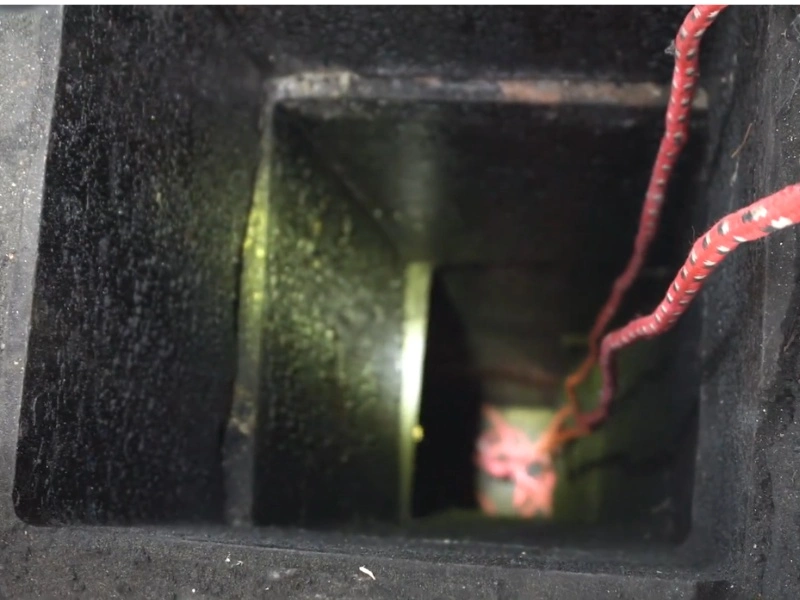
A musty or smoky smell coming from the fireplace, even when it is not in use.
Soot falling into the firebox or onto the hearth.
Black staining on the exterior brick near the chimney.
Visible creosote buildup inside the flue, which can look shiny, flaky, or tar like depending on how long it has built up.
Smoke backing up into the room instead of drawing up the chimney.
It has been more than a year since your last cleaning.
Our Process
How we ensure a clean flue and a spotless home, step by step.
You call us for a free quote
Call us at (845) 658-6714. Tell us about your chimney, whether you have a fireplace or wood stove, and any specific concerns.
We schedule your visit
Most appointments can be booked within the week, with same day service available for urgent issues.
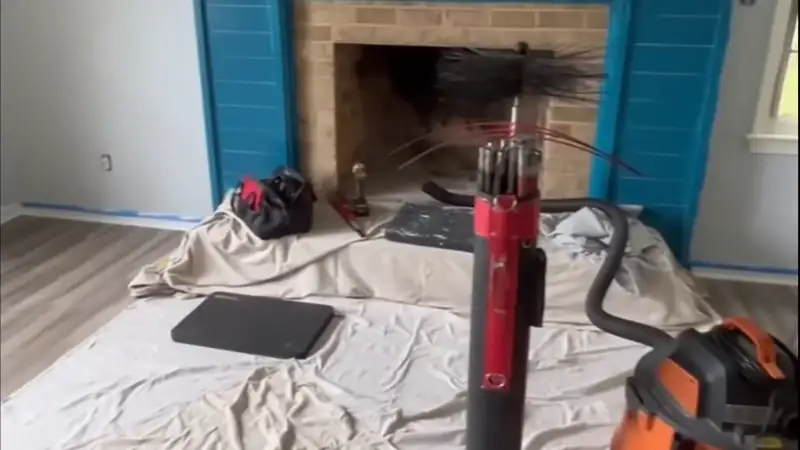
We arrive and protect your home
Drop cloths go down from the front door to the fireplace before any work begins, and pets can stay safely in another room.
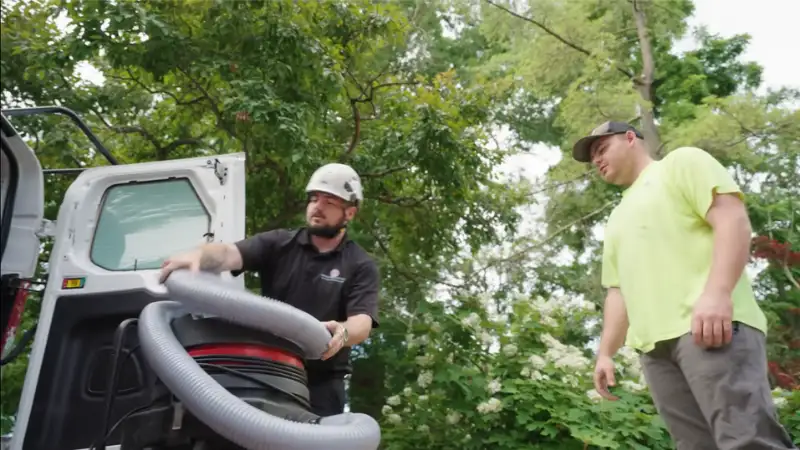
We sweep and inspect
Full cleaning of the flue with a HEPA filtered vacuum, plus a check of the liner, damper, crown, and firebox.
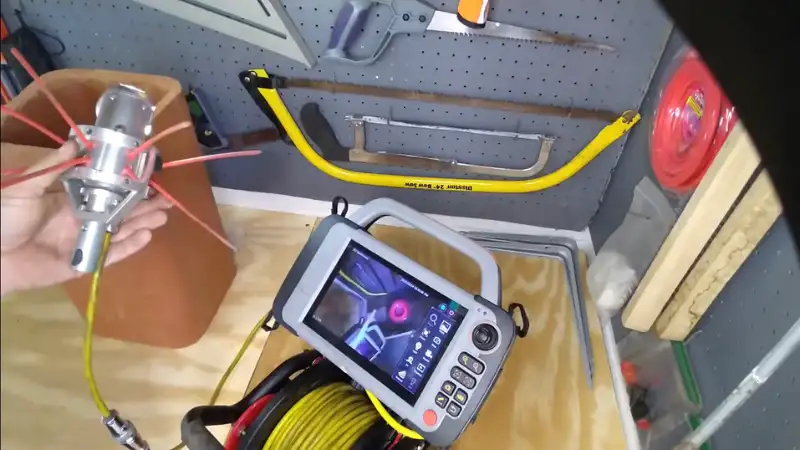
You get a written report
Photos included if we find anything that needs repair, with a clear explanation of what it means and why it matters.
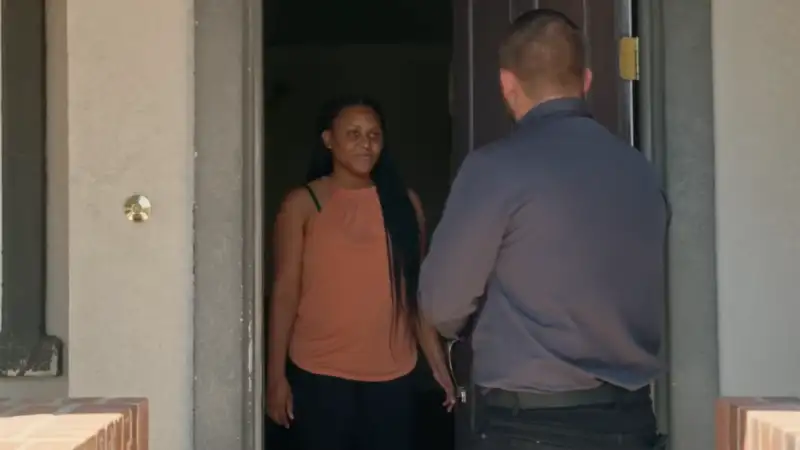
You decide what happens next
No pressure, no on the spot upsells. If repairs are needed, you get a written estimate first, and you decide when and whether to move forward.
Chimney Sweep Cost in Kingston, NY
| Service | Typical Price Range |
|---|---|
| Standard Flue Sweep & Level 1 Inspection Comprehensive sweep and visual safety checklist | $150 to $300 |
| Wood Stove Sweep & Connector Pipe Cleaning Including creosote check and temperature diagnostics | $180 to $350 |
| Level 2 Video Camera Flue Inspection Highly recommended for home purchases, storm damage, or post-fire | $250 to $460 |
| Custom Chimney Cap & Chase Cover Installation Prevent animal entry and freeze-thaw water damage | $150 to $500+ |
| Wildlife & Nest Removal Safe extraction and chimney sealing options | $200 to $600 |
Why Homeowners Trust Our Dispatch Network
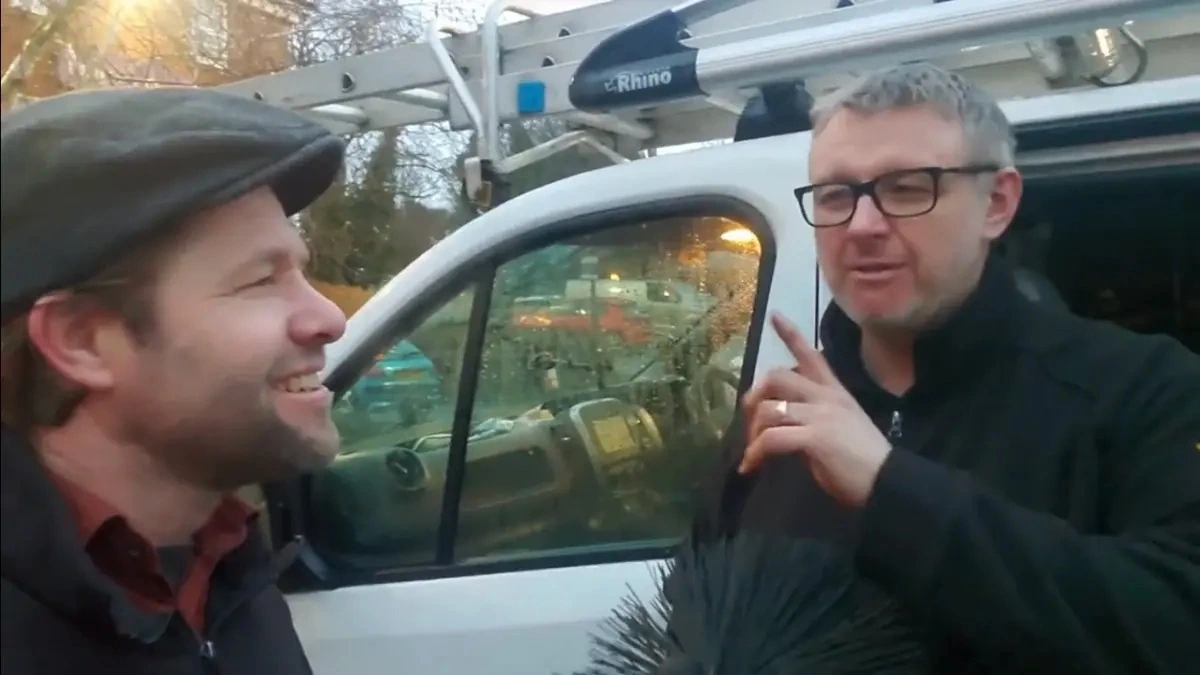
Insured & Compliant
Every technician in our network is required to follow NFPA 211 inspection standards and carry commercial liability insurance before being dispatched to a job.
Camera-Verified Truth
Each visit includes camera-verified inspection reporting, so you see the actual condition of your chimney instead of taking someone’s word for it.
Fixed Pricing Principle
Estimates are provided in writing before any repair work begins, and dispatched technicians are never paid based on upselling unnecessary repairs.
Case Studies: Our Work in Kingston, NY
The examples below describe typical jobs in Kingston, NY, illustrating common issues homeowners in these areas run into. They are representative scenarios, not records of specific completed jobs.
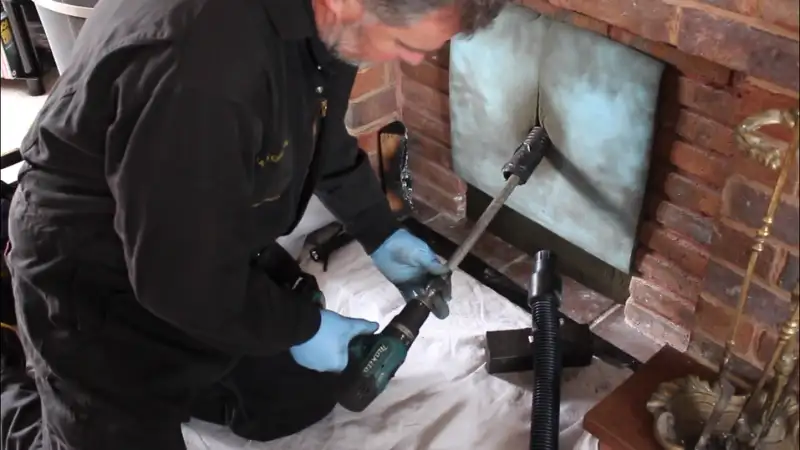
Annual Chimney Sweep, Midtown Arts District
Common issue: A full season of wood burning leaves moderate to heavy creosote buildup along the flue walls, especially in homes near the Broadway corridor with older fireplace inserts
Typical approach: Standard flue sweep using a HEPA-filtered vacuum, followed by a Level 1 inspection of the liner, damper, and firebox
Why it matters: Annual cleaning is the single biggest factor in preventing chimney fires, regardless of how often the fireplace gets used
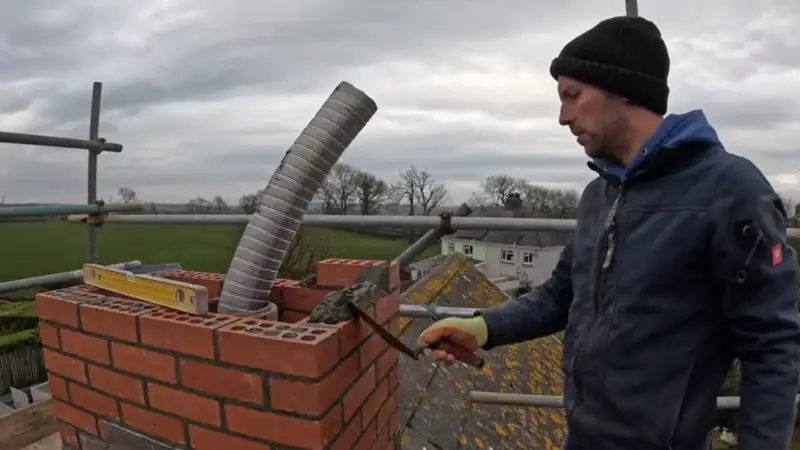
Historic Masonry Repair, Uptown Stockade District
Common issue: Cracked or spalling brick on chimneys built before 1900, often from repointing with modern cement mortar instead of lime-based mortar
Typical approach: Crown rebuild and tuckpointing using mortar matched to the original masonry composition
Why it matters: Mismatched mortar traps moisture and accelerates brick damage over time
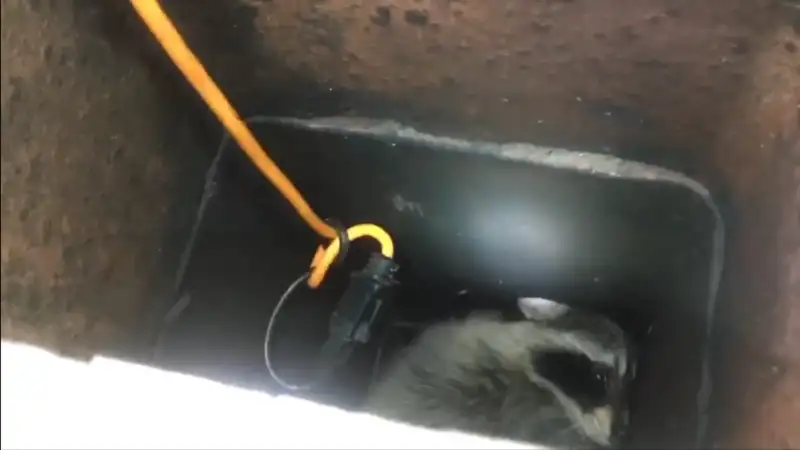
Wildlife Removal, Rondout Area
Common issue: Raccoons or birds nesting in uncapped chimneys near the waterfront, especially in spring
Typical approach: Safe removal of nesting material, followed by a stainless steel cap installation
Why it matters: Without a cap, the same chimney is likely to be re-entered by wildlife within the same season
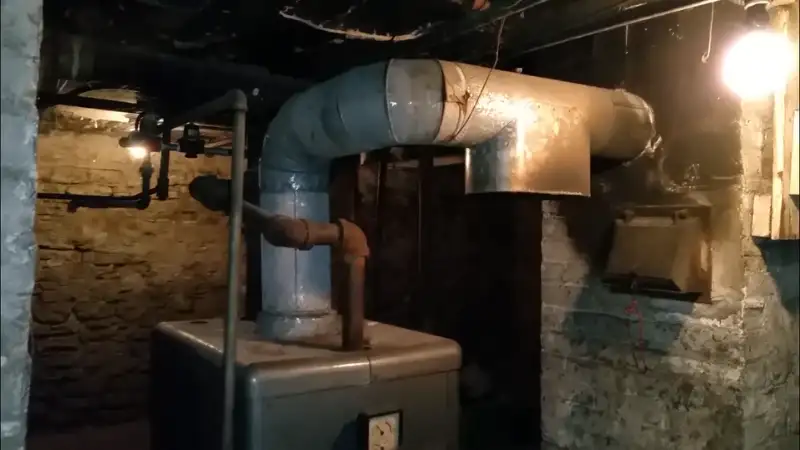
Puff-Back Diagnosis, Route 9W in Kingston
Common issue: Heavy creosote deposits and soot discharge following an oil furnace puff-back
Typical approach: Level 2 camera inspection to check for flue damage, followed by full creosote removal
Why it matters: A puff-back can crack a flue liner in ways that are not visible without a camera scan
How to Avoid Chimney Scams in Kingston, NY
Protect your home from high-pressure sales tactics. Follow these guidelines before letting any sweep start work.
- ! Insist on camera or photo evidence of any problem before agreeing to repair work, not just a verbal description
- ! Reject same-visit pressure to approve expensive repairs; a legitimate technician will give you time for a second opinion
- ! Get every estimate in writing, itemized by service, before any work begins
For the full list of warning signs and what to do if you think you’ve been scammed, see our complete guide on how to avoid chimney sweep scams in Kingston, NY.

Our Guarantee
If we sweep your chimney and you are not satisfied with the cleanliness of your home afterward, call us within 48 hours and we will return to make it right at no extra charge.
Every inspection finding is backed by photo or camera evidence, and every repair estimate is provided in writing before any work begins. If a recommended repair turns out to be unnecessary, the inspection fee is refunded.

Areas We Serve in Kingston, NY
We serve homeowners throughout Kingston, NY 12401, focusing on our primary local neighborhoods: the Stockade District, Rondout, and Midtown Kingston.
Chimney Sweep Services in the Historic Stockade District
The Uptown Stockade District is home to some of the oldest stone houses in New York State, many built in the 1600s and 1700s near the Four Corners intersection where Wall Street, Main Street, Crown Street, and North Front Street meet. Kingston also served as New York’s first state capital in 1777, and many of the original limestone buildings from that era still stand today. These historic chimneys often have original masonry that requires careful handling during both cleaning and repair.
We also serve the Rondout waterfront district along the creek where it meets the Hudson River, and the Midtown arts district along the Broadway corridor near the Ulster Performing Arts Center. Each of these neighborhoods has its own mix of building ages, from Rondout’s 19th century merchant homes to newer construction throughout Midtown.
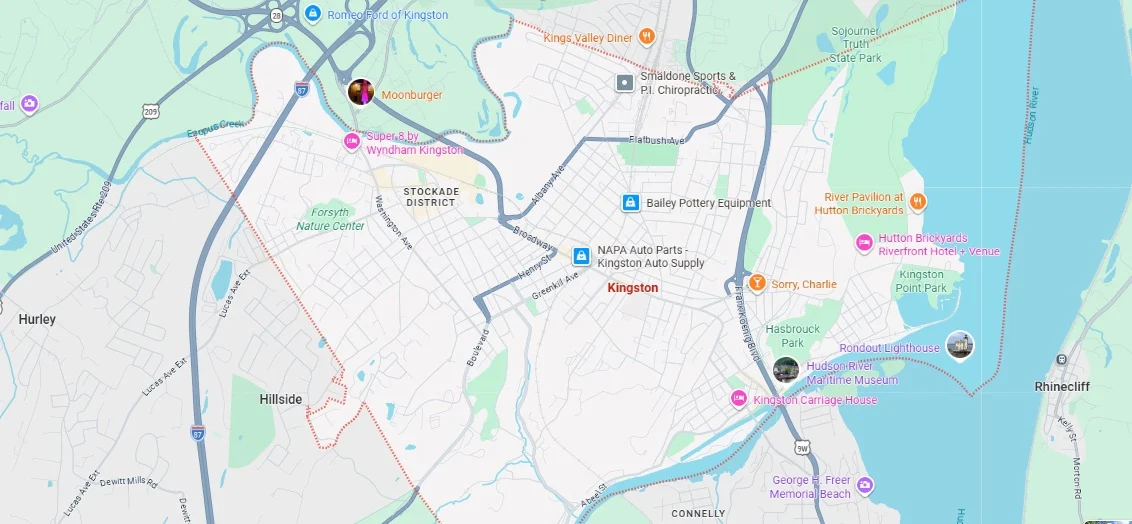
📍 Service Locations
- ✓ Stockade District
- ✓ Rondout
- ✓ Midtown Kingston
Frequently Asked Questions About Chimney Sweeping in Kingston, NY
How much does a chimney sweep cost in Kingston, NY?
Standard sweeps in Kingston, NY typically run $150 to $300. Cost rises with creosote buildup, chimney height, and whether a Level 2 camera inspection is added.
How often should you clean a chimney?
Clean your chimney at least once a year, even with light use. NFPA 211 recommends an annual inspection for every chimney, fireplace, and wood stove regardless of how often it burns.
What happens if you never clean your chimney?
Creosote builds up until it becomes a fire hazard. Neglected creosote buildup is a leading cause of house fires linked to wood burning appliances.
Is a chimney sweep messy?
No, not when done with proper containment equipment. HEPA-filtered vacuums and drop cloths keep soot and dust from ever reaching your floors or furniture.
What is the difference between a chimney flue and a damper?
The flue is the passage that carries smoke out of your home. The damper is the movable plate above the firebox that opens or closes that passage when the fireplace is not in use.
Why does my chimney smell like smoke in the summer?
Humidity reacts with creosote residue inside the flue, releasing a stale odor. This is common in humid Hudson Valley summers and usually just means the chimney needs cleaning.
Can a chimney sweep remove animals from my chimney?
Yes, removal of nests and blockages is a standard part of the service. A cap is typically installed afterward to prevent the same animal from returning.
When should a chimney liner be replaced?
Replace a liner if it’s cracked, deteriorated, or improperly sized for your appliance. A damaged liner allows heat and gas to reach the chimney’s masonry directly, raising fire and carbon monoxide risk.
Do chimney sweeps have to go on the roof?
Sometimes, depending on what the inspection requires. Most cleaning happens from inside through the firebox, but checking the cap and crown often means going on the roof too.
How long does a chimney sweep take?
Most standard sweeps take 45 minutes to an hour and a half. Heavy creosote, multiple flues, or added repairs can extend that time.
Do I need proof of a chimney inspection for home insurance in New York?
Some insurers require documentation after a fire or smoke damage claim. A written inspection summary is provided for every visit and can be kept on file for this purpose.
What’s the difference between a Level 1 and Level 2 chimney inspection?
A Level 1 inspection covers all readily accessible parts of the chimney. A Level 2 inspection adds a video camera scan of the flue interior and is typically required after a chimney fire, storm damage, or a real estate sale.
What causes chimney fires?
Most chimney fires start with creosote, the tar-like residue wood smoke leaves on the flue walls. When it builds up thick enough and the flue gets hot enough, it ignites. Burning unseasoned wood, slow smoldering fires, and skipping annual cleanings are the most common reasons creosote reaches a dangerous level.
What is CSIA certification?
CSIA is the Chimney Safety Institute of America, the main certifying body for chimney sweeps in the United States. A CSIA-certified sweep has passed an exam on chimney and venting safety and follows a code of ethics. Alongside NFPA 211, it is one of the credentials to look for when hiring a chimney company.
Ready to Schedule Your Sweep or Inspection?
We handle all bookings directly over the phone to ensure you get same-week service. Speak directly with a certified technician and get your free quote immediately.
Call Now: (845) 658-6714Speak to a local dispatcher immediately. No obligations.
Clear written estimates, no on-the-spot aggressive upselling.