Chimney Animal Removal Kingston NY
Humane Removal Methods · Full Post-Removal Cleaning and Cap Installation · Same-Week Response
Serving Kingston homeowners, from Stockade District stone houses to Broadway corridor properties.
Who Removes Animals from Chimneys?
A licensed chimney animal removal specialist, not a general pest control company. A generalist can trap and remove the visible animal, but chimney specific work goes further, cleaning the flue, checking for damage, and installing the cap that actually prevents the next animal from moving in. The removal is only the beginning of the job, not the end. Animal removal is part of our complete chimney service offering in Kingston, NY.
How Animals Get In and Why They Can’t Always Get Out
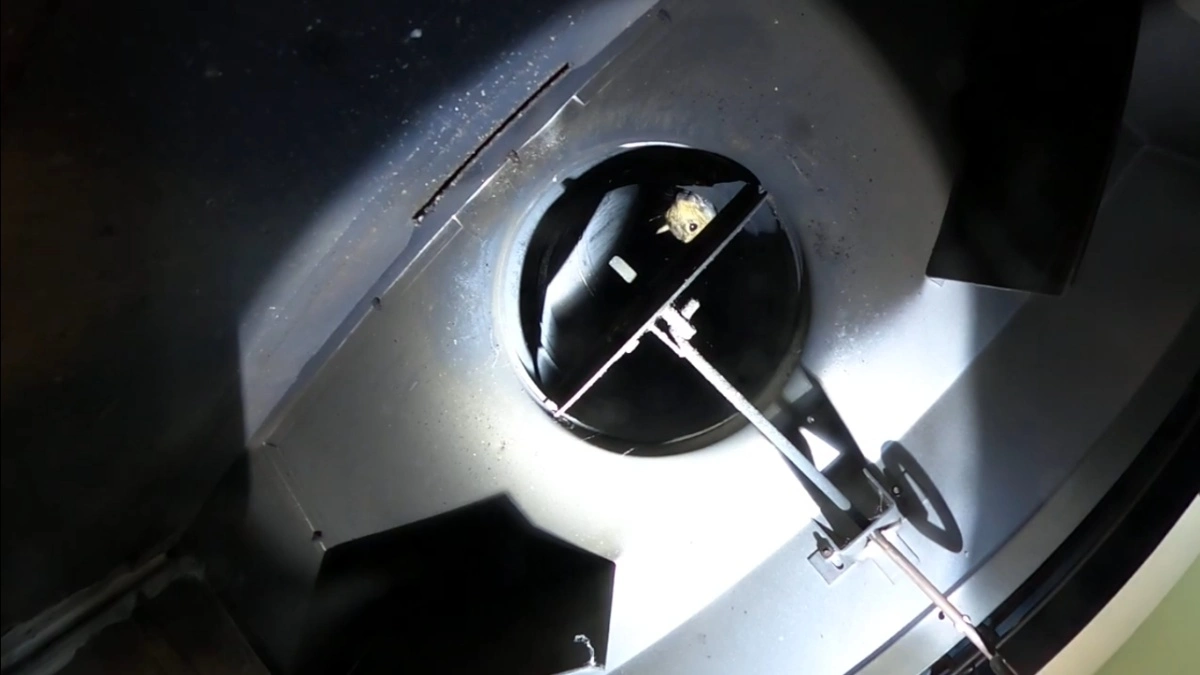
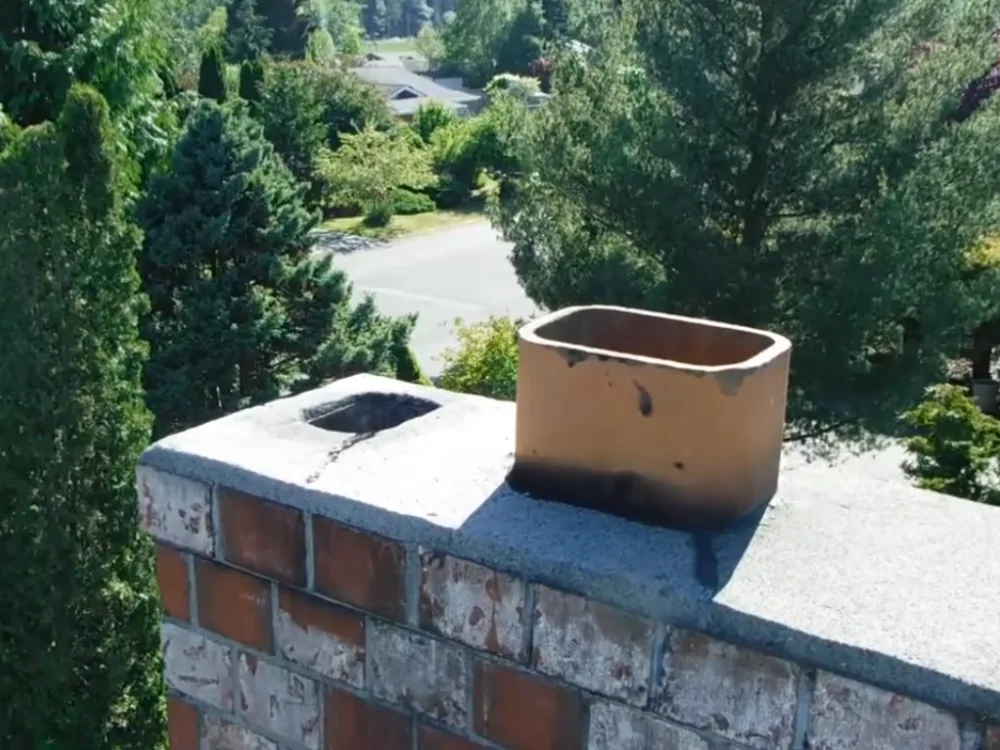
Animals enter almost exclusively through the open flue at the top of the chimney. Some enter on purpose, like nesting birds or a denning raccoon, and these can typically climb or fly back out the way they came. Others fall in by accident. A squirrel exploring the chimney top can slip into a smooth clay tile flue with no grip surface, and it cannot climb back out no matter how hard it tries. A bird that flies downward toward the lighter opening of the firebox is actively moving further from the exit, not toward it.
What to Do If There Is an Animal in Your Chimney
A few instinctive reactions homeowners consider first are almost always the wrong ones.
Don’t Light a Fire to Drive the Animal Out: This is the most dangerous response. The animal may not be able to exit and will be harmed by smoke and heat. Nesting material inside the chimney is highly combustible and can ignite into a real chimney fire. A panicked animal may even push through the damper and into the living space instead of escaping outside.
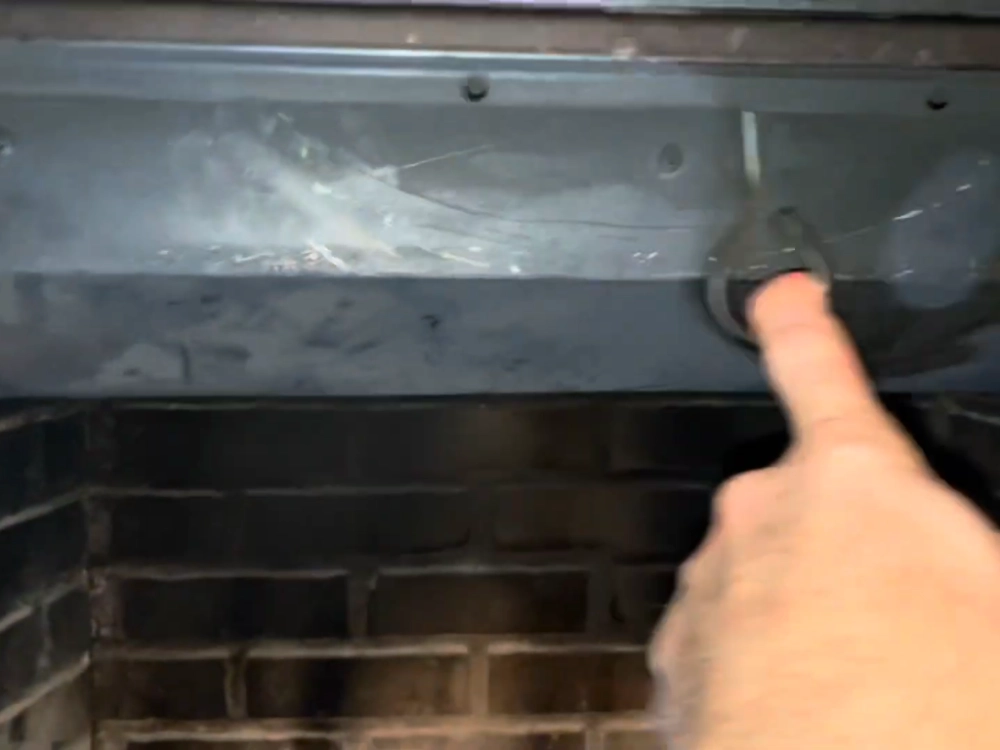
Don’t Open the Damper Without a Plan: Opening the damper when there is an animal in the chimney releases whatever is in the firebox or smoke chamber directly into your living room. A controlled retrieval anticipates the animal’s movement before the damper ever opens.
Don’t Attempt DIY Removal Without the Right Equipment: Reaching into a chimney without proper handling equipment creates real risk for both you and the animal. A cornered raccoon or a distressed squirrel can cause a serious injury, and a situation that has already been disturbed is harder to resolve than one approached correctly from the start.
Who Removes Animals from Chimneys?
A licensed chimney animal removal specialist, not a general pest control company. A generalist can trap and remove the visible animal, but chimney specific work goes further, cleaning the flue, checking for damage, and installing the cap that actually prevents the next animal from moving in. The removal is only the beginning of the job, not the end.
Animals We Remove from Chimneys in Kingston, NY
Bird Removal from Chimneys
Sparrows, starlings, and pigeons enter chimneys both intentionally for nesting and accidentally after becoming disoriented. A trapped bird is often coaxed toward light in a darkened room below the fireplace, then captured calmly and released outside.
Chimney Swift Removal
Chimney swifts are a federally protected migratory bird species. Their active nests, eggs, and young cannot be legally disturbed during nesting season, which generally runs from May through August. This is a legal requirement, not a policy choice, and disturbing an active nest carries real legal consequences.
Can I Remove a Bird’s Nest from My Chimney Yourself?
It depends on the species and the timing. If the bird is a chimney swift and the nest is active, removing it during nesting season is illegal under federal protection. Identifying the species correctly before touching anything matters just as much as the removal itself.
Squirrel Removal from Chimneys
Squirrels are the most common accidental chimney entry animal. A squirrel trapped in a clay tile flue is in genuine distress, since the smooth surface gives it nothing to climb. A heavy rope lowered into the flue often gives the squirrel the grip it needs to climb out on its own.
Raccoon Removal from Chimneys
Female raccoons, particularly in late winter and early spring, actively seek out chimney flues as denning sites for raising young. Removing the mother without her young leaves the babies stranded, so a proper removal addresses the whole family, encouraging the mother to relocate her kits before the chimney gets sealed.
What If There Are Baby Animals in the Chimney?
This requires more careful handling than a single adult animal. Removing a mother without her young leaves the babies without care, and they will cry continuously until they die or the mother finds her way back through the same entry point. The correct approach uses eviction techniques that encourage the mother to relocate her young on her own timeline before the chimney is sealed for good.
Bat Removal from Chimneys
Bats are protected under many state and federal regulations, and removal must follow the applicable wildlife rules. If a bat enters the living space and makes contact with a person or pet, that contact should be reported to public health authorities regardless of whether a bite occurred, since rabies exposure assessment may be needed.
Other Wildlife in Chimneys
Opossums and snakes also occasionally end up in chimneys, usually while searching for food or shelter. Each situation gets assessed for its specific species before any removal method is chosen.
Our Chimney Animal Removal Process
Inspection and Species Assessment
A technician identifies the species based on sounds, visible signs, and a chimney inspection, then determines whether young animals are present.
Humane Removal
The removal technique is matched to the species and situation, whether that means providing an exit path for a trapped animal or using eviction techniques for a nesting one.
Nest and Debris Removal
All nesting material gets cleared from the flue, smoke chamber, and firebox, since this material is a genuine fire hazard if left behind.
Chimney Cleaning and Sanitizing
Animal waste introduces pathogens and odor, so the chimney gets cleaned and, where needed, sanitized after the animal is gone.
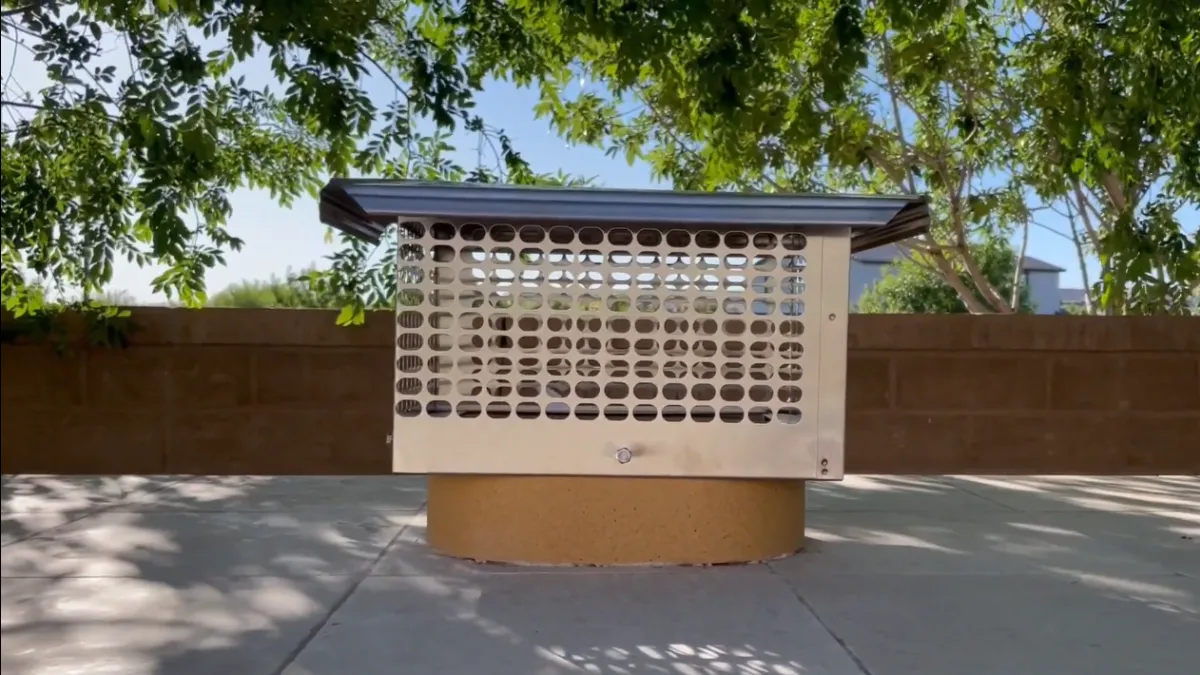
Cap Installation to Prevent Recurrence
The final step seals the entry point, almost always the uncapped flue opening. A removal without a cap is a temporary fix that just invites the next animal in.
Chimney Animal Removal Cost in Kingston, NY
| Removal Project Type | Typical Cost Range |
|---|---|
| Bird Removal Retrieval of trapped bird, nest extraction, basic cleanup | $200 to $400 |
| Squirrel Removal Coaxing or capturing squirrel safely out of the flue | $200 to $350 |
| Raccoon Removal Extraction of family group or adult raccoon, kit handling | $300 to $600+ |
| Full Post-Removal Service Bundle Complete sweep, inspection, waste sanitizing, and cap install | $400 to $800 |
Bird removal typically runs $200 to $400, covering trapped bird retrieval, nest removal, and basic cleaning. Squirrel removal runs $200 to $350. Raccoon removal costs more, generally $300 to $600 or higher, since a family group takes more time and a more careful approach than a single animal. A full post removal service, including complete cleaning, inspection, and cap installation, typically falls between $400 and $800. Removing an animal promptly usually costs less than dealing with the consequences of leaving it, since decomposition odor, compressed nesting material, and scratch damage to the liner all add up the longer a situation goes unaddressed.
Commercial Chimney Wildlife Removal
Daycares, senior care homes, and other properties with heightened liability exposure sometimes need documented wildlife removal for insurance or licensing purposes, not just a standard homeowner call. See our Chimney Inspection page for more on how commercial inspections and documentation work.
Frequently Asked Questions About Chimney Animal Removal in Kingston, NY
Serving Kingston, NY
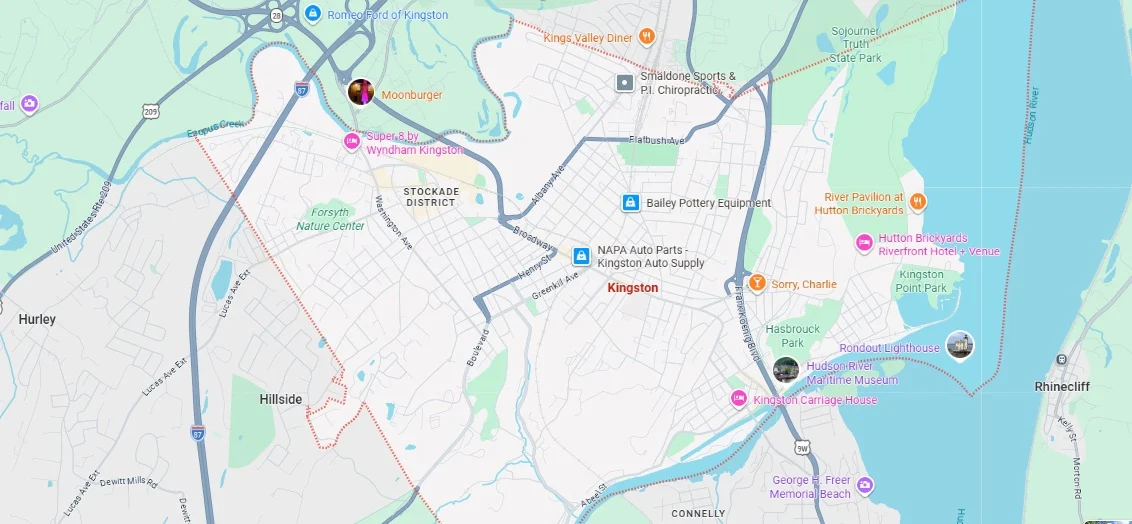
Chimney animal removal service is available throughout Kingston, NY 12401, including the Stockade District, Rondout, and Midtown Kingston neighborhoods. Older chimneys near the Stockade District, some dating to the 1600s and 1700s, often lack modern caps entirely, which makes them especially common entry points for wildlife looking for shelter.
- ✓ Stockade District
- ✓ Rondout Area
- ✓ Midtown Kingston
Get Your Free Chimney Animal Removal Quote in Kingston, NY
Call (845) 658-6714 or fill out the form below to schedule a chimney animal removal. Most appointments in Kingston can be scheduled within the week.
Call Now: (845) 658-6714Speak directly with a local dispatcher. No obligations.
Clear written estimates before any work begins, no upselling.