Chimney Liner Kingston NY
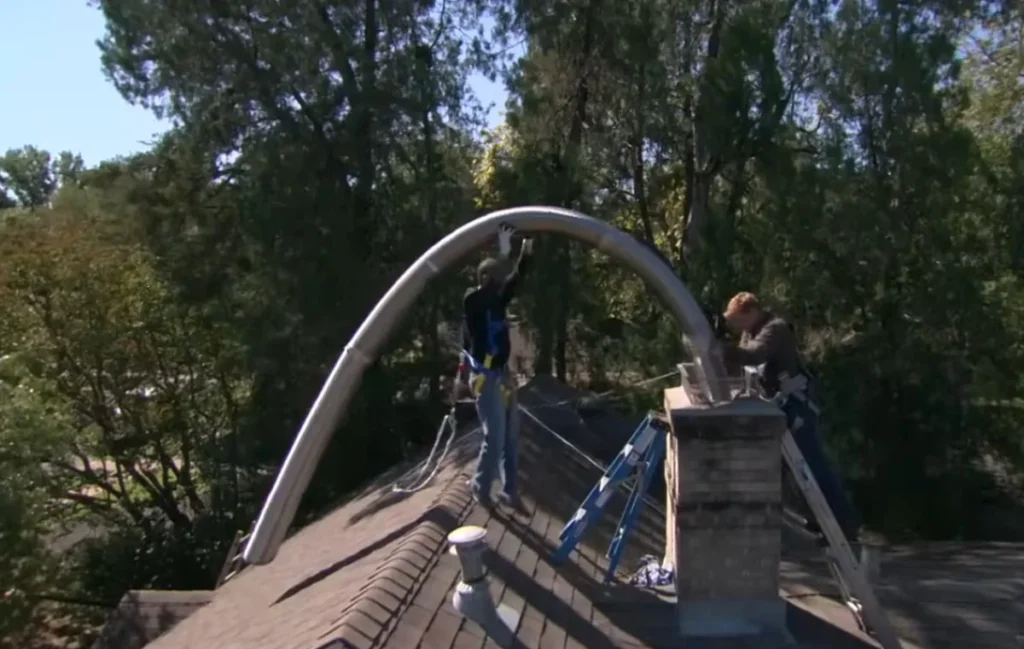
📞 Call (845) 658-6714 for a Free QuoteA chimney liner in Kingston, NY is the layer inside your flue that carries heat, smoke, and combustion gases safely out of the house. It sits against the brick and does three jobs at once: it holds the heat inside the flue so it never reaches the wood framing behind the chimney, it keeps carbon monoxide and other gases from leaking into your living space, and it gives the flue the right size so the appliance drafts the way it should. In older Kingston homes, from the stone houses near the Stockade District to the pre-war builds along Broadway, the original clay liner is often the part of the chimney that wears out first, long before the brick does.
What Is a Chimney Liner?
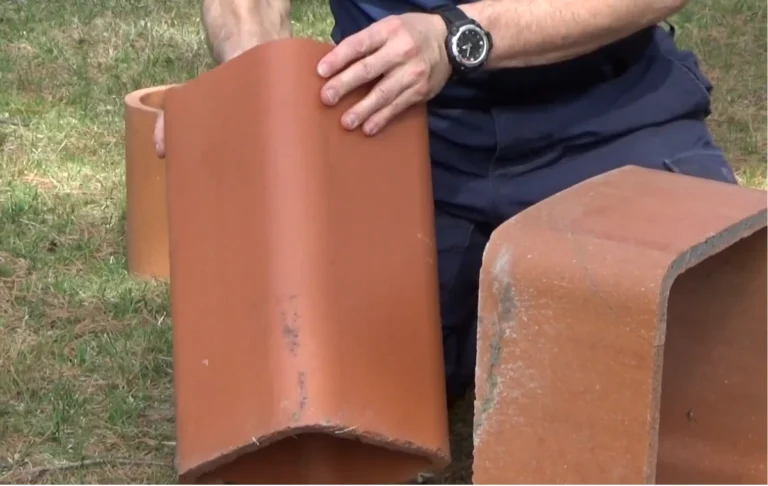
A flue liner is the material that lines the inside wall of the flue. The flue is the open passage that smoke travels up; the liner is what that passage is made of on the inside. A liner does three things.
It contains the heat of the fire so the surrounding masonry and the framing near it stay cool enough to be safe. It carries combustion gases, including carbon monoxide, straight up and out instead of letting them seep through gaps in the brick. And it holds the correct diameter for whatever appliance is connected, which is what lets the chimney pull air and draft properly.
People often use the words flue and liner to mean the same thing, but they are not. The flue is the channel; the liner is the surface inside it. A flue can be clear while its liner is cracked, and a liner can be sound while the flue is blocked. If you want the full breakdown, we explain the difference between a flue and a liner on our flue cleaning page.
What Does a Chimney Liner Do and Why Kingston Homes Need One
Without an intact liner, the heat and gases from a fire reach material that was never built to handle them. Brick is porous, and the acidic byproducts of burning wood, oil, or gas eat into it over time. Combustion gases can then travel through cracks in the masonry into a bedroom or a hallway. Carbon monoxide has no color and no smell, so a family often has no warning until someone feels sick.
Kingston winters make this a live issue rather than a theoretical one. The Hudson Valley runs through dozens of freeze and thaw cycles every season. Water works into a hairline crack in a clay tile, freezes, expands, and pops the surface off. The same cold that cracks a crown or a mortar joint cracks a liner. On top of that, a great many homes around Ulster County were switched from oil or wood to gas over the years, and a flue that was sized for a wood firebox is far too large for a modern gas appliance. That size mismatch alone is a reason many local chimneys need to be relined.
Types of Chimney Liners
Not every liner is the same material, and the material decides how long it lasts, what fuel it can handle, and how it fails. There are four kinds you will run into in Kingston homes.
Clay Tile Liners
Clay tile is the original liner in most masonry chimneys built before the 1980s, and that covers a large share of the older housing stock in Kingston. Square terra cotta tiles are stacked inside the flue with mortar joints between them. Clay handles steady heat well, but it does not handle sudden temperature swings, and it does not handle moisture. When water freezes inside a tile, the face flakes off in a process called spalling, which leaves a rough, pitted surface that grabs creosote and drags on the draft. A chimney fire or one very hot fire can crack a tile outright or split a mortar joint. Once a tile cracks or a joint opens, the liner has a gap, and the reason for having a liner at all is gone.
Stainless Steel Liners
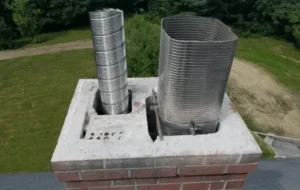
Stainless steel is the material used for almost every reline done today. It comes as a flexible pipe that feeds down a bent or offset flue, or as a rigid pipe for a straight run, and it is sized to fit the appliance rather than the old flue. A quality stainless liner is tested and listed to UL 1777, the product standard that proves the liner can carry flue gases and survive a chimney fire. The listing also states how close the liner may sit to nearby wood and whether it needs insulation for a given fuel, which is why the listing matters as much as the metal.
316 vs 304 Stainless Steel: Which Grade for Which Fuel
Stainless steel liners come in different alloys, and the grade is a safety choice, not a preference. Grade 316 stainless, and the titanium-stabilized 316Ti, resist the acidic condensation from wood, oil, and coal, so they are the correct choice for anything that burns solid fuel. Grade 304 is often used for wood as well, but 316 is the safer pick where corrosive gases are heavy. For a gas appliance, a lighter alloy or aluminum can be acceptable because gas burns cleaner. Getting this wrong shortens the life of the liner and can void the listing, so the fuel you burn should decide the grade before anything else.
Aluminum Liners
Aluminum liners are only for certain gas appliances. They cannot take the heat of a wood or oil fire and will fail fast if used that way. Aluminum also has the shortest service life of any liner material, roughly fifteen to twenty-five years even in the right application. If you burn wood in Kingston, aluminum is never the answer.
Cast-in-Place Liners
A cast-in-place liner uses a cement-like material poured or formed inside the existing flue to build a new smooth passage. It can add strength to a masonry chimney that has started to weaken, which makes it useful on some older Kingston structures where the brick itself needs support. It is not the right fit for every home, and it costs more than a stainless system, so it is usually reserved for chimneys that need the structural help.
What Are Chimney Liners Made Of and Which One Fits Your Appliance
The appliance connected to the chimney decides which liner belongs there. Matching the two is the part homeowners most often get wrong, and it is where a cheap install goes bad.
A wood stove or a log burner needs a stainless steel liner in 316 or 316Ti, sized to the stove outlet, usually six inches, and it drafts far better when it is insulated. A pellet stove vents through a smaller stainless liner, often three or four inches, matched to the unit. A fireplace insert almost always requires a full stainless liner running from the insert to the top of the chimney, since the old open-fireplace flue is far too large for the insert to heat and draft. A gas furnace, gas water heater, or oil boiler each need a liner sized to that appliance, and an oversized old flue is a common problem when a home has been switched to gas. For solid fuel, the liner connects to the appliance with a tee or an elbow and a proper connector, and the top is finished with a top plate and a rain cap.
What Size Chimney Liner Do I Need?
Liner size is engineering, not a guess, and getting it wrong causes real problems. A liner that is too large will not stay hot enough to keep a good draft. The smoke slows down, cools, and condenses on the walls, which builds creosote faster and, on a gas or oil appliance, can leave the inside of the flue looking like it is raining. A liner that is too small chokes the appliance and creates too much pressure. The correct diameter comes from the appliance outlet, its BTU rating, and the height of the chimney, worked against the sizing tables in NFPA 211.
Six inches is the common size for most wood stoves and inserts. Where an old flue is tight, narrow, or offset, a round liner can be ovalized to fit through a space a round pipe would not clear. Because stainless steel comes in nearly any size, it solves the sizing problem that clay tile never could, since clay was only made in a handful of fixed dimensions.
Insulated vs Uninsulated Liners
Insulation wrapped around a liner, or poured around it, keeps the flue gases warm as they rise. Warm gases draft better and condense less, which means less creosote in a wood system and a stronger, steadier pull. In a cold climate like the Hudson Valley, that temperature difference is not small, and it is one reason insulated liners are so common on Kingston relines. Insulation also protects the surrounding masonry from heat transfer. In many cases it is not optional at all: when a flue tile is cracked or missing, or when the liner sits too close to combustible framing, the UL listing and NFPA 211 clearance rules require an insulated liner. For a masonry chimney, the standard calls for roughly two inches of clearance to nearby wood on an interior chimney and one inch on an exterior chimney, and insulation is how a liner meets that rule when space is tight.
Signs Your Chimney Liner Needs Replacing
A failing liner usually gives warning signs before it becomes dangerous. Watch for these:
- Pieces of clay tile falling into the firebox or showing up in the cleanout.
- Visible cracks or flaking on the tile faces, known as spalling.
- Rust, holes, or separated seams on a metal liner.
- White, chalky staining on the exterior brick, which means moisture is moving through the masonry.
- Smoke spilling back into the room or a fireplace that is hard to keep lit, both signs of a draft problem.
- A smoky or sour smell from the fireplace when it is not in use.
The catch is that most liner damage happens where you cannot see it, on the inside of the flue from top to bottom. A tile can be cracked six feet up and look perfectly fine from the firebox. The only reliable way to confirm the condition of a liner is a camera scan run down the full length of the flue. That is done during a Level 2 chimney inspection, which is the appropriate check any time the history of a chimney is uncertain, after a chimney fire, or before connecting a new appliance.
When to Replace a Chimney Liner vs Repair It
Not every liner problem means a full reline. A small, isolated crack can sometimes be patched with a refractory compound, though that is often a temporary fix rather than a permanent one. The line to watch is whether the liner can still contain the byproducts of combustion. Once a clay liner has extensive cracking, several failed mortar joints, or spalling across the tile faces, patching stops being safe and relining becomes the real answer. Building codes reflect this directly: when an inspection shows a chimney is no longer safe for the appliance connected to it, the code requires it to be repaired, rebuilt, lined, or relined to conform to NFPA 211.
If your inspection shows a liner that has failed, the work of installing a new one or repairing the masonry around it is handled as a service. We cover chimney liner repair or replacement on our masonry page, including how the old material is handled and how the new liner is fitted to the appliance.
How Long Does a Chimney Liner Last?
The honest answer is that no one can tell you the exact lifespan of a liner without looking inside it, because use, fuel, moisture, and maintenance all change the number. As a general range, a clay tile liner can last for decades if the chimney stays dry and is swept on schedule, and there are homes in the region with 1960s clay liners still in good shape because the owners kept up with sweeps and waterproofing. A quality stainless steel liner, sized and installed correctly, commonly lasts fifteen to thirty years, with gas use at the longer end and heavy wood use at the shorter end. Aluminum sits lowest at roughly fifteen to twenty-five years. Cheap, thin material installed poorly can fail in five to ten years, which is the real cost of the lowest bid. Annual sweeps are how liner damage gets caught early, before it turns into a venting problem.
How Much Does a Chimney Liner Cost in Kingston, NY?
Liner cost in Kingston depends on the material, the height of the chimney in feet, whether insulation is added, whether old clay tile has to be broken out first, and the type of appliance being connected. A stainless steel reline for a straightforward flue costs less than a job that requires tearing out cracked tile or building a cast-in-place liner. The figures below are ranges to plan around; the exact number for your chimney comes from a quick phone call describing the appliance, the chimney height, and what the flue looks like inside.
Liner Service | Typical Cost Range |
|---|---|
Stainless steel liner install, standard flue | $1,500 to $3,800 |
Insulated stainless liner | $2,500 to $5,000 |
Reline with old clay tile removal | $3,000 to $7,000 |
Cast-in-place liner | $5,000 to $10,000 |
These are general industry reference ranges for the Northeast, drawn from national cost data, not a quote from Kingston Chimney Sweep. Northeast labor and permit costs tend to run higher than the national average. Your exact price depends on chimney height, flue diameter, roof access, and whether old tile must be removed. Call (845) 658-6714 for a price specific to your chimney.
People often ask why a liner costs what it does. The material is only part of it. A proper install includes correctly sizing the liner, running it down a chimney that may be twenty or thirty feet tall, connecting it to the appliance, insulating it where the listing requires, and finishing the top with a plate and cap. Skipping any of those steps is how a cheap job ends up costing more later. For a firm number in writing, the fastest route is a written estimate after the chimney is looked at.
Can You Install a Chimney Liner Yourself?
Liner kits are sold for do-it-yourself work, usually running from about $300 to $800 for a stainless kit depending on diameter and chimney height, and on a simple, straight flue in a newer home a handy owner can fit one. In Kingston the reality is usually harder than that. Older chimneys around the Stockade District and the Rondout have soft lime-based mortar, tight or offset flues, and tiles that may need breaking out first, and the sizing and clearance rules are not forgiving. Get the diameter wrong and the appliance drafts poorly and builds creosote. Get the clearance to combustible framing wrong and the install fails inspection and creates a fire risk. Many towns also require a permit for a reline. For a gas or oil appliance, a mistake can put carbon monoxide into the home. For most homeowners here, the safer path is a correctly sized, listed liner installed by a certified technician who knows how older Kingston masonry behaves.
Does a Lined Chimney Still Need Cleaning?
Yes. A liner does not stop creosote from forming; it just gives the creosote a smoother, safer surface to sit on. Any time wood is burned, creosote builds up, and a lined chimney still needs an annual sweep to stay safe. In fact, acidic creosote left sitting can attack even a stainless liner over time. Regular chimney flue cleaning is what keeps a liner working and catches early damage before it spreads.
Why Kingston and Ulster County Homes Have Specific Liner Needs
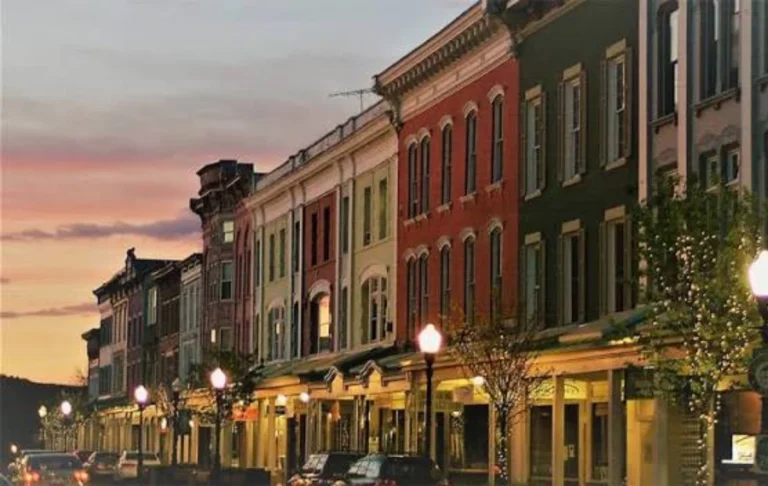
Kingston’s housing stock is older than most, and that changes what a chimney needs. Homes near the Stockade District date back to the 1600s and 1700s, and many pre-war houses across Midtown and the Rondout still run on their original clay tile liners. Decades of Hudson Valley freeze and thaw have worked on those tiles the whole time, cracking faces and opening mortar joints in ways that are invisible from the living room.
Add the wave of oil-to-gas and wood-to-gas conversions common across Ulster County, where a flue built for a wood firebox is left oversized for a modern appliance, and relining becomes one of the most common chimney needs in the area. A technician who works on older Kingston homes knows to check for these conditions rather than assuming a chimney built to code decades ago is still safe for what is connected to it today. Liner work is available throughout Kingston, NY 12401 and the surrounding towns, including Hurley, Saugerties, Woodstock, and Port Ewen.
Frequently Asked Questions About Chimney Liners in Kingston, NY
Is it safe to use a chimney without a liner?
No. An unlined chimney lets heat and combustion gases reach the brick and the framing behind it, which raises the risk of a house fire and lets carbon monoxide seep into the home. Older Kingston homes with unlined masonry flues should be inspected before use.
What is the 7 times rule for chimneys?
It is a common sizing guideline that the flue area should not be more than about seven times the area of the appliance outlet. Beyond that, the flue is too large to keep gases warm, the draft weakens, and creosote builds faster. It is a rough check, not a substitute for proper sizing against NFPA 211 tables.
Will homeowners insurance cover a cracked flue liner?
It depends on the cause. Damage from a sudden event like a chimney fire or a storm is more likely to be covered, while damage from age, wear, or missed maintenance usually is not. A written inspection report with photos is what an insurer will ask for, so document the damage before filing.
Do you need a permit to install a liner?
Often yes. Many jurisdictions that follow the residential code require a permit for relining, since it is treated as an alteration to the chimney. Check with the Kingston building department before the work starts, since a permitted install is also what protects you at resale.
How often does a flue liner need to be replaced?
A liner is not on a set replacement schedule. It gets replaced when an inspection shows it can no longer safely contain heat and gases, whether that is from cracked clay tile, a rusted metal liner, or damage after a fire. Annual sweeps and inspections are how that point gets caught in time.
Can you put a liner in an old chimney?
Yes, and it is one of the most common jobs on older Kingston homes. A flexible stainless liner can be fed down a bent or offset flue, and cracked clay tile can be removed first if it blocks the path. The liner is then sized to the appliance rather than to the old oversized flue.
What are the common problems with flue liners?
The usual failures are cracked clay tiles, deteriorated mortar joints between tiles, spalling on the tile faces, and rust or gaps in metal liners. Each one lets heat or gases escape into the masonry, and each is a reason to reline rather than keep using the chimney.
Do chimney liners prevent chimney fires?
A liner does not prevent creosote from forming, so it does not by itself prevent a chimney fire. What it does is contain the heat if one happens, keeping it away from the framing, and give creosote a smoother surface that is easier to sweep. Annual cleaning is still the real defense against a flue fire.
Do I need a liner for a gas furnace?
Frequently, yes. When a home is switched to gas, the old flue is often far too large for the new appliance, which causes condensation and draft problems. A correctly sized liner fixes that, and the grade of metal is chosen for the gas exhaust.
What happens if a flue liner is cracked?
A cracked liner lets heat, smoke, and carbon monoxide reach the masonry and the spaces behind it instead of venting up and out. It also lets moisture and acidic gases attack the brick. A cracked or joint-failed liner is not safe to use until it is repaired or relined.
Serving Kingston, NY
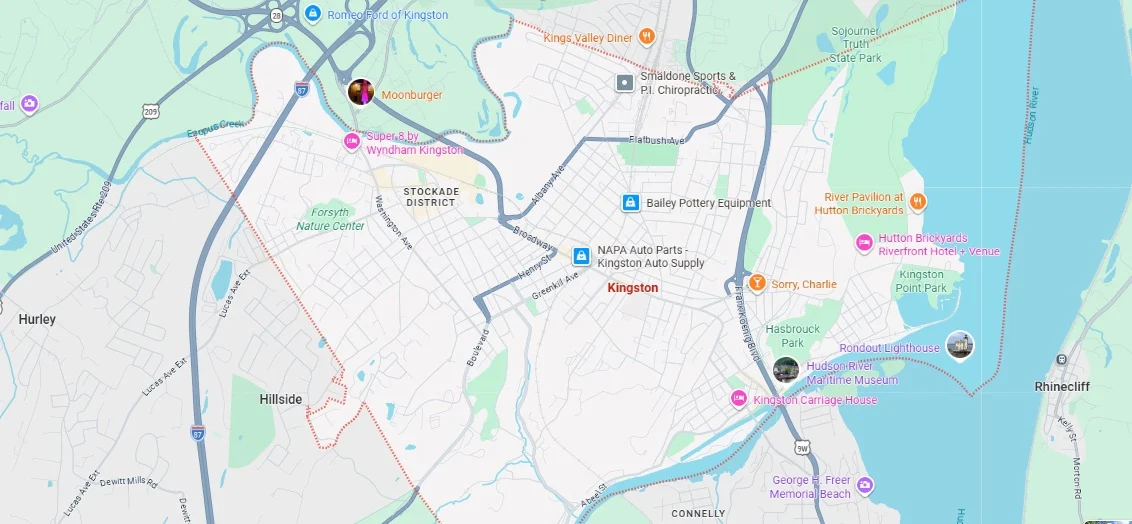
Flue liner information and service is available throughout Kingston, NY 12401, including the Stockade District, Rondout, and Midtown Kingston neighborhoods, and the nearby towns of Hurley, Saugerties, Woodstock, and Port Ewen. Homes near the Stockade District, some with masonry dating to the 1600s and 1700s, often run on original clay tile liners that need careful checking, since historic brick and lime-based mortar behave differently than modern construction.
- ✓ Stockade District
- ✓ Rondout Area
- ✓ Midtown Kingston
Get Your Free Chimney Liner Quote in Kingston, NY
Call (845) 658-6714 or fill out the form below to ask about your liner, schedule an inspection, or get a relining estimate. Most appointments in Kingston can be scheduled within the week.
Call Now: (845) 658-6714Speak directly with a local certified technician. No obligations.
Clear written estimates before any work begins, no upselling.