Tiny Black Bugs That Look Like Poppy Seeds: How to Identify and Get Rid of Them
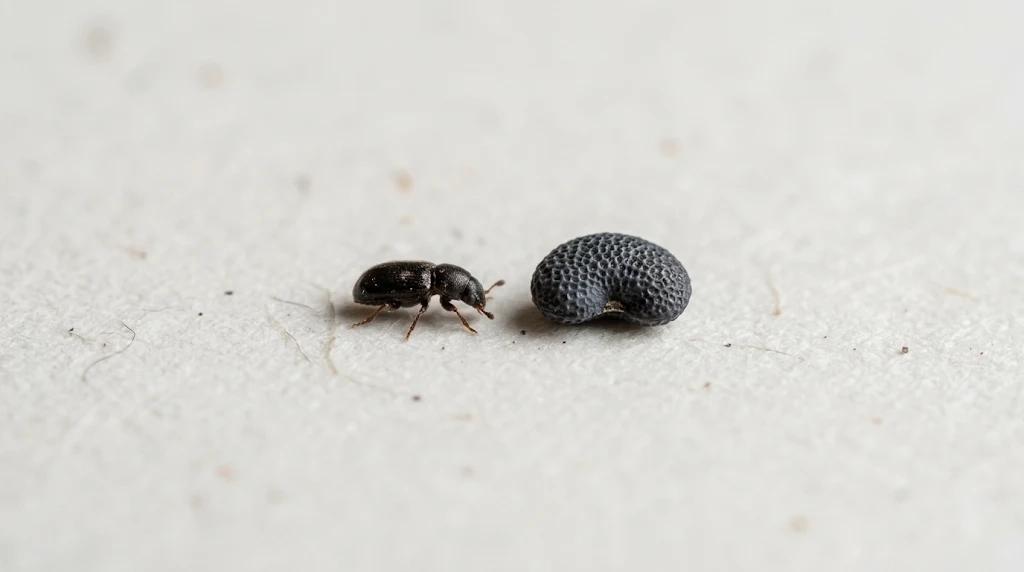
Finding tiny black bugs that look like poppy seeds can be confusing. Some are insects, while others may be mites, droppings, or ordinary debris.
The most likely explanation depends on where you find them and how they move. Fleas jump, springtails leap in damp areas, and carpet beetles crawl around fabrics. Plant pests usually gather on leaves and stems.
Do not start spraying your home before identifying the pest. The wrong treatment may waste time and make the problem harder to control.
Use this guide to identify common possibilities, understand where they come from, and choose the right removal method.
What Are the Tiny Black Bugs That Look Like Poppy Seeds?
Several small insects and mites can resemble poppy seeds. Their size, shape, color, and movement provide useful identification clues.
The most common possibilities include:
| Possible pest | Appearance | Typical location | Main clue |
|---|---|---|---|
| Fleas | Dark brown, narrow, flattened body | Pets, carpets, bedding | Jump quickly |
| Bed bugs | Flat, oval, reddish brown | Mattresses, bed frames | Leave shed skins and dark spots |
| Carpet beetles | Small, rounded or oval beetles | Windows, carpets, fabrics | Larvae may damage natural fibers |
| Springtails | Tiny, soft bodied insects | Damp rooms and plant soil | Jump when disturbed |
| Booklice | Very small, pale to dark insects | Damp books, cupboards, walls | Associated with humidity and mold |
| Bird mites | Extremely small, moving specks | Near bird nests and windows | May appear after birds leave a nest |
| Black aphids | Small, soft bodied insects | Plant leaves and stems | Gather in clusters |
| Flea beetles | Tiny, shiny beetles | Garden and plant leaves | Jump and leave small holes |
These descriptions help narrow down the possibilities. They do not confirm a species by themselves.
How Can You Identify Tiny Black Bugs by Their Appearance and Movement?
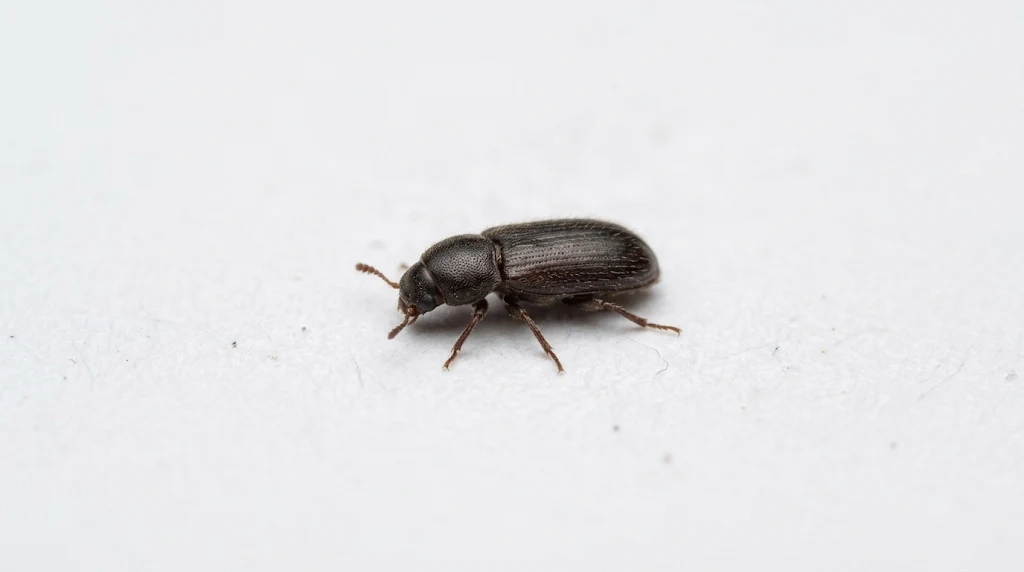
Look closely before deciding what you have found. A small difference in body shape or movement can help separate one pest from another.
1. Check the body shape
Different pests have recognizable body shapes.
- Round or oval: Carpet beetles, some mites, and flea beetles may have compact bodies.
- Flat and narrow: Fleas have flattened bodies that help them move through animal fur.
- Broad and oval: Bed bugs have wider, flattened bodies.
- Slender: Thrips have narrow bodies and often appear like tiny dark lines.
- Soft and pear shaped: Aphids usually have rounded bodies that become wider toward the rear.
A magnifying glass or phone camera can help reveal these details.
2. Check whether they have wings
Not every small black insect can fly.
Fleas are wingless. Springtails are also wingless. Bed bugs do not fly. Adult carpet beetles have wings, while their larvae do not.
Some aphids and thrips have winged forms. This means you should not identify an insect by wing presence alone.
3. Do they jump, crawl, or fly?
Movement provides one of the strongest identification clues.
Bugs that jump: Fleas and springtails are common possibilities. Flea beetles also jump when disturbed, especially on plants.
Bugs that crawl: Bed bugs, carpet beetles, booklice, and aphids move by crawling.
Bugs that fly: Adult carpet beetles, some aphids, and other small insects may fly.
If the insect jumps, check where you found it. Fleas are more likely around pets and their resting areas. Springtails are more commonly associated with moisture.
4. Are they insects or just black specks?
Not every black speck is a living bug.
Look closely for:
- Visible legs.
- Antennae.
- Body movement.
- A consistent insect shape.
- Changes in position when disturbed.
If the particles remain still, they may be flea dirt, droppings, plant debris, food particles, or other material.
Avoid treating an area until you have stronger evidence of an insect infestation.
What Are the Tiny Black Bugs in Different Parts of Your Home?
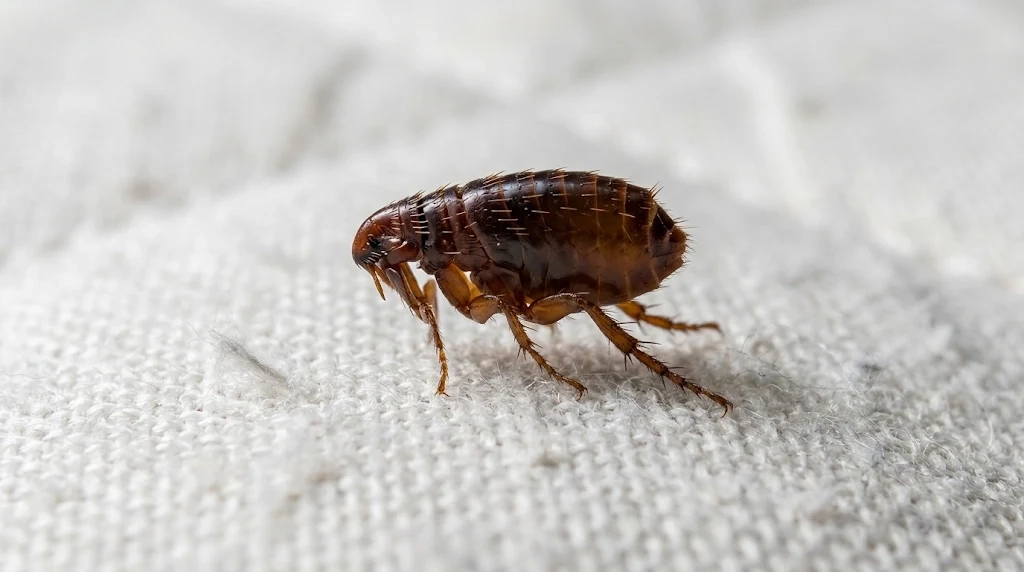
The location can help narrow down the possible pest. Different insects prefer different food sources and environments.
Tiny Black Bugs in Bed
If you find small dark insects on your mattress, sheets, or bed frame, inspect the area carefully.
Possible causes include:
Bed bugs: Check mattress seams, box springs, bed frames, and headboards. Look for live insects, shed skins, eggs, and dark fecal spots.
Fleas: Fleas may enter bedding through pets. They are more likely when animals sleep on the bed or spend time nearby.
Carpet beetles: Adult beetles may crawl onto bedding, but their larvae are the main concern for fabric damage.
Do not assume every black speck in a bed indicates bed bugs.
The EPA’s bed bug identification guide explains where to look and which signs to check.
Tiny Black Bugs in the Kitchen
Small insects in kitchens often come from stored food, moisture, or outdoor entry points.
Check these areas:
- Flour and rice containers.
- Cereal and grain packages.
- Pantry shelves.
- Cabinet corners.
- Food storage containers.
- Areas around sinks and plumbing.
Pantry beetles and weevils are possible causes. Some stored product pests develop inside food packages, so inspect the contents rather than looking only at the shelves.
Look for damaged packaging, larvae, webbing, and small insects inside food containers.
Discard heavily infested food. Clean the affected shelf and store replacement food in sealed containers.
Tiny Black Bugs in the Bathroom
Damp conditions can attract springtails and booklice.
Springtails often appear around sinks, bathtubs, drains, and wet floors. They are tiny and may jump when disturbed.
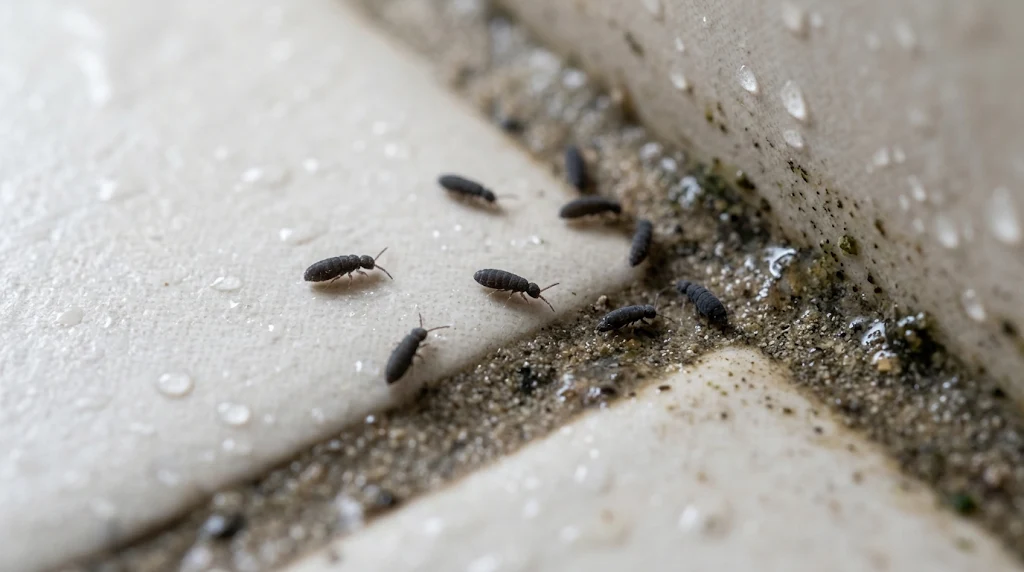
Booklice may appear around damp walls, cupboards, books, and areas affected by mold.
Check for:
- Leaking pipes.
- Condensation.
- Wet flooring.
- Damp cabinets.
- Mold growth.
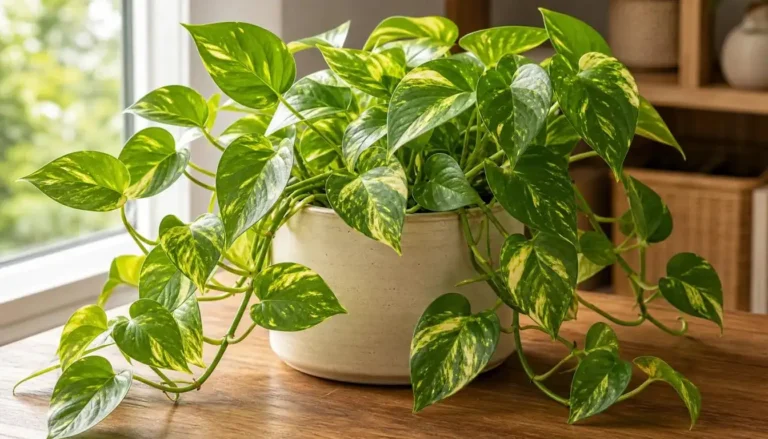
- Excess moisture around plant pots.
Cleaning visible insects will not solve the problem if the moisture source remains.
Repair leaks and improve ventilation. These steps often matter more than insect sprays for moisture related pests.
Tiny Black Bugs Around the House
If you find them in several rooms, consider how they might be entering or spreading.
Possible sources include:
- Infested furniture.
- Pet bedding.
- Stored food.
- Houseplants.
- Open windows and doors.
- Bird nests near the building.
- Damp areas inside walls or cupboards.
Check whether the insects appear in one specific area or throughout the property.
A concentrated group usually provides a better clue than isolated insects found in unrelated rooms.
Tiny Black Bugs on Plants
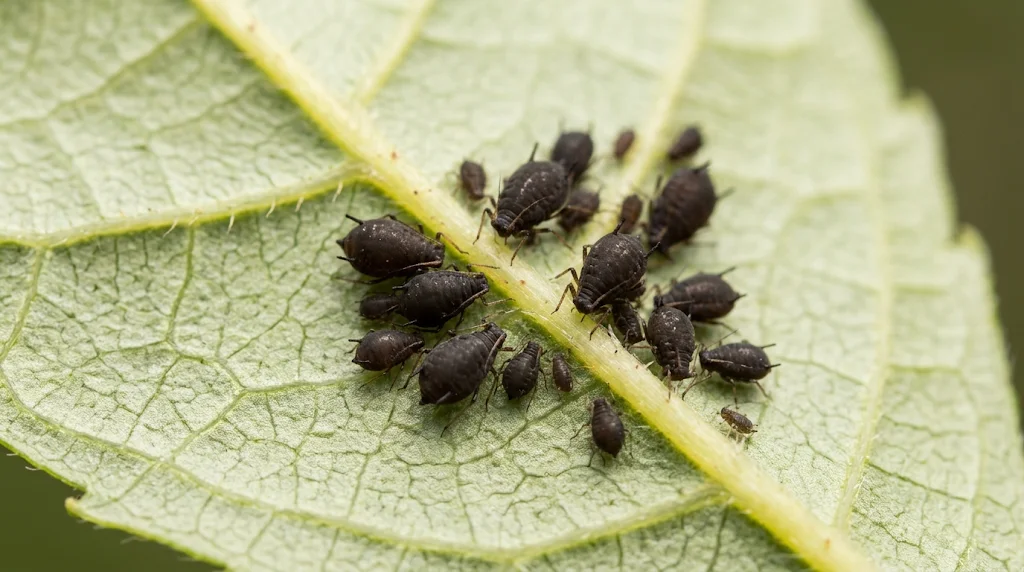
Small dark insects on leaves or stems are often plant pests.
Common possibilities include:
Black aphids: These soft bodied insects gather in clusters on stems, buds, and leaf undersides. They may leave sticky honeydew and cause curled or damaged leaves.
Thrips: These insects have slender bodies. They may leave silvery plant damage and small dark fecal spots.
Flea beetles: These shiny beetles jump when disturbed. They often leave small, round holes in leaves.
Soil mites: Some mites live in soil and feed on decaying organic matter. Their presence does not automatically mean your plant is damaged.
Inspect the undersides of leaves and the growing tips. You can also shake a branch gently over white paper to check for small moving insects.
For identification and plant specific treatment, see the UC Integrated Pest Management guide to aphids and its thrips guidance.
Tiny Black Bugs on Dogs
If you notice small dark insects on your dog, fleas should be one of the first possibilities to investigate.
Part the fur and inspect:
- Around the neck.
- Near the tail.
- Along the belly.
- Around the groin.
- Near the base of the ears.
Fleas move quickly and can jump. You may also notice flea dirt that looks like dark pepper particles.
Other possibilities include ticks or environmental debris. Do not assume every dark particle is a parasite.
If you suspect fleas, contact your veterinarian for an appropriate treatment. Never use a product intended for another animal without checking its safety.
Tiny Black Bugs Near Windows, Sinks, or in Cars
Small insects near windows may have entered from outdoors. Adult carpet beetles and other flying insects can gather near light.
In bathrooms and around sinks, moisture related insects such as springtails are possible.
If you find insects inside a car, check floor mats, upholstery, stored bags, and items brought into the vehicle. Fleas may enter through pets, while other insects may arrive with luggage or belongings.
The location alone cannot confirm the species. Check movement and physical features before choosing a treatment.
Which Bugs Commonly Look Like Tiny Black Poppy Seeds?
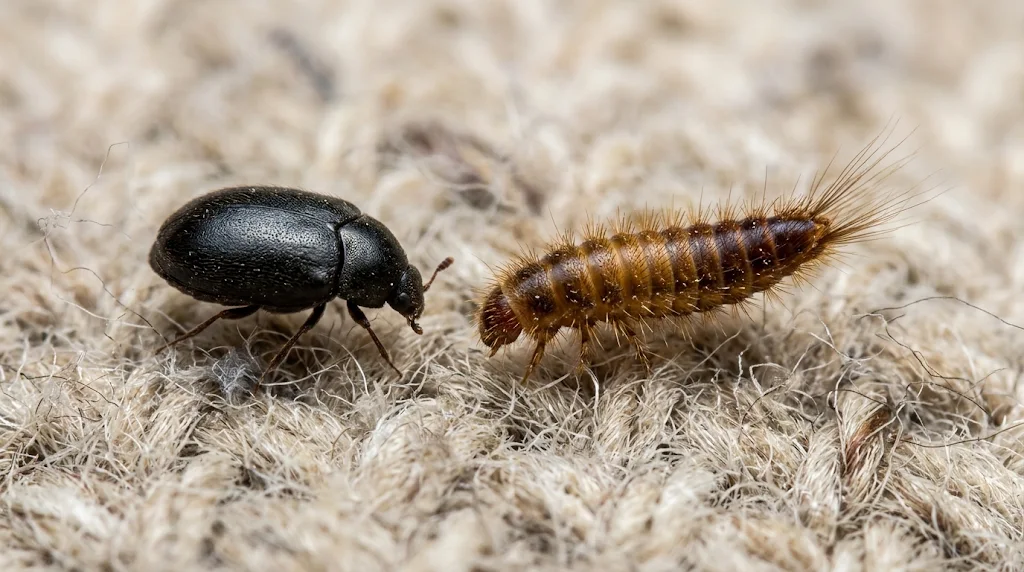
The following profiles explain the main possibilities and how to distinguish them.
1. Fleas
<em>Appearance:</em> Fleas are dark brown to black, wingless insects. Their bodies are narrow and flattened from side to side.
<em>Behavior:</em> They jump quickly and can be difficult to catch.
<em>Where they appear:</em> Pets, carpets, rugs, furniture, and animal bedding.
<em>Signs:</em> Bites, scratching pets, and pepper like flea dirt.
Flea dirt is not a living flea. It consists of flea waste containing digested blood.
You can place suspected flea dirt on a damp white paper towel. It may leave reddish brown marks as the material dissolves.
The University of Minnesota Extension flea guide explains flea identification and control.
2. Bed Bugs
<em>Appearance:</em> Adult bed bugs are reddish brown, flat, and oval. Younger nymphs are smaller and often pale or translucent before feeding.
<em>Behavior:</em> They crawl rather than jump or fly.
<em>Where they appear:</em> Mattress seams, bed frames, headboards, and nearby furniture.
<em>Signs:</em> Dark fecal spots, shed skins, eggs, and live insects.
Bed bugs can spread through luggage, used furniture, clothing, and other belongings.
Bites alone cannot confirm an infestation. Inspect the sleeping area for physical evidence.
Use the EPA bed bug identification guidance to check common hiding places.
3. Carpet Beetles
<em>Appearance:</em> Adult carpet beetles are small, rounded or oval beetles. Their colors and patterns vary by species.
<em>Behavior:</em> Adults crawl and may fly toward windows or light.
<em>Where they appear:</em> Windowsills, carpets, closets, and areas containing natural fibers.
<em>Signs:</em> Larvae, shed larval skins, and damage to wool, feathers, fur, or other animal based materials.
Adult carpet beetles are not usually the main cause of fabric damage. Their larvae feed on susceptible materials.
Finding one adult beetle does not automatically mean your home has an infestation.
See the University of Minnesota Extension carpet beetle guide.
4. Springtails
<em>Appearance:</em> Springtails are tiny, soft bodied insects. They are usually wingless.
<em>Behavior:</em> They can jump suddenly when disturbed.
<em>Where they appear:</em> Damp bathrooms, sinks, wet floors, plant soil, and other moist areas.
<em>Signs:</em> Large numbers of tiny moving insects around moisture.
Springtails do not bite people or pets and are not known for spreading disease. Their presence often points to excess moisture.
Reduce dampness and remove the conditions that support them.
Read the UC IPM springtail guide.
5. Booklice
<em>Appearance:</em> Booklice are very small, soft bodied insects. Their color can range from pale to gray or darker shades.
<em>Behavior:</em> They crawl slowly and do not bite people.
<em>Where they appear:</em> Damp books, cupboards, stored paper, and areas with mold.
<em>Signs:</em> Small insects around humid surfaces or mold affected materials.
Booklice feed on microscopic mold and fungi. They are more closely associated with humidity than with human food or blood.
Reduce indoor relative humidity below 50% where practical, repair leaks, and improve ventilation.
Penn State Extension provides further information in its booklice guide.
6. Black Aphids
<em>Appearance:</em> Aphids are soft bodied, often pear shaped insects. Some species are black.
<em>Behavior:</em> They usually crawl slowly and gather in groups.
<em>Where they appear:</em> Plant stems, buds, and leaf undersides.
<em>Signs:</em> Sticky honeydew, curled leaves, and weakened plant growth.
Inspect plants closely before applying treatment. A few aphids may be removed with a strong stream of water, depending on the plant.
For more information, consult the UC IPM aphid guide.
7. Thrips
<em>Appearance:</em> Thrips are very small, narrow insects. Some are dark brown or black.
<em>Behavior:</em> They crawl and may fly.
<em>Where they appear:</em> Flowers, leaves, and growing tips.
<em>Signs:</em> Silvery patches, damaged leaves, and tiny dark fecal spots.
Thrips damage plants by feeding on plant tissue. Their dark droppings can sometimes be mistaken for tiny insects.
Inspect the plant and check for actual movement before treating it.
See the UC IPM thrips guide.
8. Flea Beetles
<em>Appearance:</em> Flea beetles are small, shiny beetles. Many are dark colored.
<em>Behavior:</em> They jump when disturbed because they have enlarged hind legs.
<em>Where they appear:</em> Vegetable gardens and plant leaves.
<em>Signs:</em> Small round holes in foliage.
Their jumping behavior can make them look like fleas. However, flea beetles are plant pests rather than parasites of pets or people.
The UC IPM flea beetle guide explains their identification and management.
9. Ticks and Bird Mites
Ticks and bird mites can both appear as tiny dark moving specks, but they are different pests.
Ticks have eight legs in their nymph and adult stages. Tick larvae have six legs. Some young ticks can resemble tiny seeds.
Bird mites are extremely small mites associated with bird nests. They may enter nearby buildings after birds leave a nest.
Bird mites can bite people, but they cannot maintain a lasting infestation by feeding on human blood alone.
If you suspect bird mites, look for nearby nests and consult a pest professional about safe source removal.
The University of Minnesota Extension bird mite guide provides more detail.
Are They Actually Bugs? Black Specks That Look Like Poppy Seeds
Before treating your home, make sure the particles are living insects.
Several nonliving materials can resemble small black bugs.
Flea Dirt
Flea dirt looks like small black or dark brown particles. It may appear on pet bedding, carpets, or areas where animals rest.
Unlike a flea, flea dirt does not move. It may leave reddish brown marks when dampened.
Insect Droppings and Frass
Some insects leave tiny dark droppings or frass near their feeding areas.
You may find these particles around damaged wood, stored food, plant leaves, or insect hiding places.
Look for other signs before deciding which pest produced them.
Mouse or Cockroach Droppings
Rodent and cockroach droppings can also look like dark particles.
Their size, shape, and location vary. Look for other evidence, such as damaged food packaging, unpleasant odors, or insect activity.
Avoid touching unknown droppings with bare hands. Clean suspected contamination carefully and follow appropriate hygiene precautions.
Seeds and Food Debris
Poppy seeds, sesame seeds, crumbs, soil, and other food particles may look like small insects.
Check whether the particles have legs or move. If they remain unchanged, they may not be pests at all.
Are Tiny Black Bugs Dangerous?
The risk depends on the species.
Some insects are harmless nuisances. Others can bite, damage household materials, or affect pets and plants.
Can They Bite?
Fleas, bed bugs, ticks, and bird mites can bite people.
Springtails and booklice do not bite people. Adult carpet beetles are not blood feeders, although their larval hairs can irritate some people’s skin.
Do not identify a pest from skin marks alone. Different conditions can produce similar irritation.
Can They Affect Pets?
Fleas can cause itching and skin irritation in pets. Heavy infestations can create more serious problems.
Ticks can transmit diseases. Check pets after outdoor activity and ask a veterinarian about appropriate prevention.
If your pet is scratching repeatedly or has visible parasites, arrange a veterinary assessment.
Can They Damage Your Home?
Carpet beetle larvae can damage wool, feathers, fur, and other animal based materials.
Pantry pests can contaminate stored food. Some plant pests can damage leaves, flowers, and growing tips.
Springtails and booklice are usually more of a moisture or nuisance problem than a structural threat.
When Should You Call a Professional?
Contact a qualified pest professional if:
- You repeatedly find bed bug evidence.
- Insects appear in several rooms.
- The infestation continues despite appropriate cleaning.
- You cannot identify the pest.
- You suspect ticks or bird mites.
- The problem involves a large number of insects.
For persistent bites, severe irritation, or suspected tick related illness, seek appropriate medical advice.
How to Get Rid of Tiny Black Bugs That Look Like Poppy Seeds
The right treatment depends on the pest. Start by identifying the insect and finding its source.
Step 1: Confirm What You Found
Take a clear close up photograph. Include a ruler or another size reference.
Record where you found the insect and whether it jumps, crawls, or flies.
Collect a specimen in a sealed container if you can do so safely. A pest professional or local extension service may help identify it.
Step 2: Clean the Affected Area
Vacuum carpets, rugs, furniture edges, and other affected areas.
Clean shelves and surfaces. Remove visible debris and dispose of vacuum contents appropriately.
For suspected pantry pests, inspect every stored food package and discard infested products.
Step 3: Treat Fleas Correctly
Flea control requires attention to both pets and the home.
- Ask a veterinarian to recommend an appropriate flea product.
- Wash pet bedding regularly.
- Vacuum carpets and furniture.
- Clean areas where pets spend time.
- Follow professional guidance if the infestation continues.
Treating the home without addressing fleas on pets may allow the problem to return.
Step 4: Use an Integrated Approach for Bed Bugs
Bed bugs require careful treatment.
- Inspect mattress seams and bed frames.
- Wash and dry suitable bedding according to care instructions.
- Use appropriate mattress and box spring encasements.
- Reduce clutter around sleeping areas.
- Contact a qualified pest professional when necessary.
The EPA recommends combining chemical and nonchemical methods. Its integrated bed bug management guidance explains the approach.
Do not rely on foggers as the only treatment. They may not reach insects hiding in cracks and crevices. Read the EPA fogger safety guidance.
Step 5: Control Moisture
If you find springtails or booklice, inspect the area for excess moisture.
- Repair leaking pipes.
- Improve bathroom ventilation.
- Dry wet surfaces.
- Avoid overwatering houseplants.
- Remove mold affected materials when appropriate.
- Reduce indoor humidity.
Moisture control is essential because these insects may return if damp conditions remain.
Step 6: Handle Plant Pests Carefully
If insects are on plants, isolate affected plants when practical.
Inspect the leaves and stems. Remove heavily affected plant parts if suitable for the plant.
A water spray may remove some aphids. Other pests may need different management methods.
Avoid applying pesticides until you identify the pest and confirm that the product is appropriate for that plant and use.
Step 7: Get Professional Help When Needed
Some infestations need professional treatment.
Bed bugs, persistent fleas, and certain mite problems can be difficult to control without a proper inspection.
Choose a qualified provider who identifies the pest and explains the proposed treatment. Follow all product labels and safety instructions.
How to Prevent Tiny Black Bugs From Returning
Prevention depends on the pest, but a few habits can reduce the risk.
- Vacuum carpets and furniture regularly.
- Wash pet bedding.
- Store dry food in sealed containers.
- Inspect secondhand furniture before bringing it indoors.
- Check luggage after traveling.
- Repair plumbing leaks.
- Keep bathrooms and cupboards dry.
- Inspect houseplants before bringing them inside.
- Check the undersides of plant leaves.
- Seal gaps around windows and doors where practical.
- Remove suitable outdoor debris near entry points.
If you find a recurring pest, focus on removing its source rather than repeatedly cleaning the visible insects.
Frequently Asked Questions
What are tiny black bugs that look like poppy seeds?
They may be fleas, carpet beetles, springtails, small ticks, mites, or other insects. Their location, body shape, and movement help narrow down the possibilities.
Why am I suddenly seeing tiny black bugs in my house?
They may have entered through windows, arrived with plants or belongings, or developed around stored food, pets, or damp areas. Check where they are concentrated to identify the likely source.
What bugs look like little black seeds?
Fleas, flea beetles, some carpet beetles, and young ticks can resemble tiny dark seeds. Some mites and plant pests may look similar too.
What are tiny black bugs with no wings?
Fleas, springtails, bed bugs, and booklice are wingless. Their movement and preferred environment help distinguish them.
What are tiny black bugs that jump?
Fleas, springtails, and flea beetles can jump. Fleas are associated with pets, springtails with damp areas, and flea beetles with plants.
Can tiny black bugs bite?
Some can. Fleas, bed bugs, ticks, and bird mites may bite people. Springtails and booklice do not bite people.
How can I tell if black specks are bugs or dirt?
Look for movement, legs, antennae, and a consistent body shape. Flea dirt and other debris do not move like living insects. A close up photograph can help.
What should I do if I find tiny black bugs on my dog?
Check your dog’s fur for fleas or ticks. Look for flea dirt and signs of scratching. Contact your veterinarian for identification and suitable treatment.
Should I spray my home immediately?
No. Identify the pest first. Different insects require different control methods, and using the wrong pesticide can create unnecessary risks.
Final Thoughts
Small black specks can come from several different sources. Fleas, springtails, carpet beetles, mites, and plant pests may look similar at first.
Start with three clues: where you found them, how they move, and what they look like up close.
Check for supporting evidence before choosing a treatment. Address the source, follow safe control methods, and contact a pest professional when the problem persists.
Correct identification is the first step toward getting rid of the insects and preventing them from returning.