
How Much Does a New Roof Cost in 2026? (Prices by Size and Material)
Replacing a roof costs around $9,611 on average, according to Angi’s 2026 project data. Most homeowners in its dataset paid between $5,903 and $13,378. However, the final price depends on roof size, material, pitch, location, and the condition of the existing roof.
Asphalt shingles usually offer a lower upfront cost than metal, tile, or slate. Labor, tear-off, decking repairs, permits, and disposal can also increase your final bill. This guide breaks down new roof costs by size and material, explains common additional expenses, and shows how to compare roofing estimates before hiring a contractor.
How Much Does a New Roof Cost on Average?
A new roof costs approximately $4 to $11 per square foot of actual roof surface, based on Angi’s 2026 national pricing guide. HomeGuide reports a narrower range of $3 to $6 per square foot for typical roof replacement projects.
These figures are planning estimates, not guaranteed prices. Your final replacement cost will depend on the roofing system, installation requirements, and local market.
What Is the Average Cost of a New Roof in 2026?
Several industry sources report different national averages because they use different project samples and pricing methods.
| Source | Reported average | Reported range or context |
|---|---|---|
| Angi, October 2026 | $9,611 | $5,903–$13,378 |
| HomeGuide | $10,800 | $5,700–$16,000 |
| GAF, citing Verisk’s 2025 U.S. Roof Report | $17,631 | Industry report benchmark |
Angi bases its 2026 figure on 32,999 verified projects. HomeGuide uses project costs reported by its members for asphalt-shingle replacements. GAF references the 2025 U.S. Roof Report published by Verisk.
These figures are not directly interchangeable. They cover different datasets, project scopes, and roofing assumptions.
For a realistic budget, use a published range as your starting point. Then obtain written estimates based on your actual roof measurements and preferred materials.
Sources: Angi’s 2026 roof replacement data, HomeGuide’s roof replacement guide, and GAF’s roof cost guide.
How Much Does a New Roof Cost Per Square Foot?
The average planning range is approximately $4 to $11 per square foot of roof surface. The price normally includes roofing materials and installation, but you should check whether removal, disposal, and additional repairs are included.
Here is what that range means for different roof sizes:
| Actual roof surface | Estimated installed cost |
|---|---|
| 1,000 sq. ft. | $4,000–$11,000 |
| 1,500 sq. ft. | $6,000–$16,500 |
| 2,000 sq. ft. | $8,000–$22,000 |
| 2,500 sq. ft. | $10,000–$27,500 |
| 3,000 sq. ft. | $12,000–$33,000 |
These estimates apply to actual roof surface area, not the home’s interior floor space. Premium materials, steep slopes, and complicated roof designs can push costs beyond these ranges.
What Is a Roofing Square?
A roofing square is a standard measurement used by roofing contractors. One roofing square equals 100 square feet of roof surface.
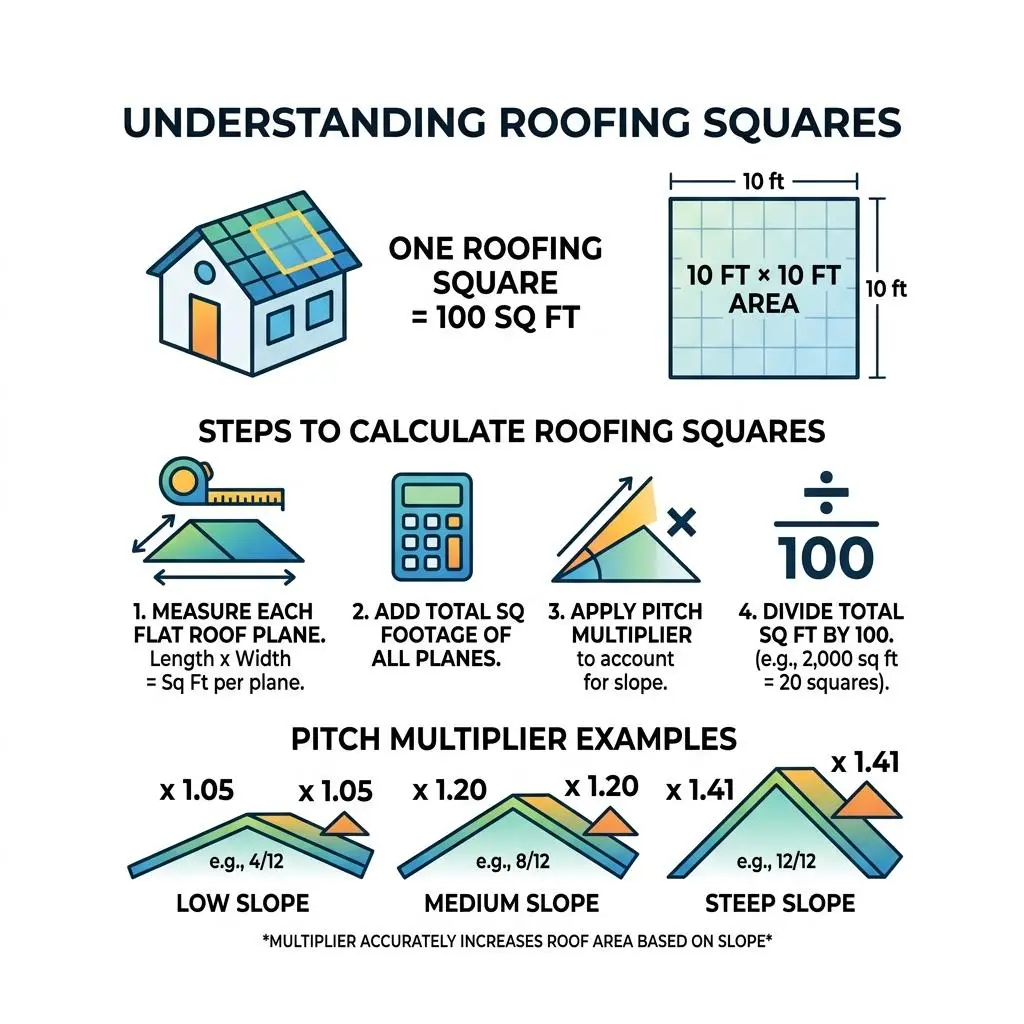
For example, a roof measuring 2,000 square feet contains 20 roofing squares.
Contractors use this measurement to calculate material quantities, labor, and installation costs. They may also add an allowance for waste, cutting, and replacement shingles.
Once you have the actual roof measurements, use our square foot calculator to convert the total area into roofing squares and estimate material quantities.
Remember that a 2,000-square-foot house does not automatically have a 2,000-square-foot roof.
How Much Does a New Roof Cost by House Size?
House size helps you estimate your roofing budget, but it does not determine the actual roof area. Roof pitch, overhangs, shape, and the number of stories can change the measurements significantly.
A professional measurement provides a more accurate estimate.
How Much Does a New Roof Cost for a 1,000–1,500 Sq Ft House?
Smaller homes generally require fewer roofing materials and less installation time. However, complicated roof designs can still increase the project cost.
For example, a house with several dormers, valleys, and steep slopes may cost more than a larger home with a simple roof.
Check whether your estimate uses the home’s floor area or actual roof surface area. This distinction prevents major budgeting mistakes.
How Much Does a New Roof Cost for a 2,000 Sq Ft House?
The cost of replacing a roof on a 2,000-square-foot house depends on its actual roof measurements.
For example, assume a contractor measures your roof at 2,400 square feet. Using the broad $4–$11 installed range, your estimated project cost would be $9,600–$26,400.
A simple one-story roof may have a different surface area than a two-story home with the same living space. Roof pitch, overhangs, and design also affect the total.
Always request a measured estimate instead of relying on floor area alone.
How Much Does a New Roof Cost for a 2,500–3,000 Sq Ft House?
Larger homes generally require more shingles, underlayment, flashing, and installation labor.
The project may also need additional equipment for taller buildings or difficult roof access. A large roof with multiple sections can take longer to install than a simple roof of similar surface area.
Use the actual roof measurements and your chosen material to estimate the total.
Why Is Roof Square Footage Different From House Square Footage?
House square footage usually describes the living area or building footprint. Roof surface area measures the actual sloped surfaces covering the building.
Several features create this difference:
- Roof pitch: Steeper slopes increase the surface area.
- Overhangs: Roof edges extend beyond exterior walls.
- Dormers: These create additional roof sections.
- Valleys and ridges: Complex intersections affect measurements and material quantities.
- Roof shape: Hip, gable, and other designs require different calculations.
- Material waste: Contractors allow extra material for cuts and fitting.
Roofing contractors may use satellite images, drones, or on-site measurements to calculate the actual surface area.
How Much Does a New Roof Cost by Material?
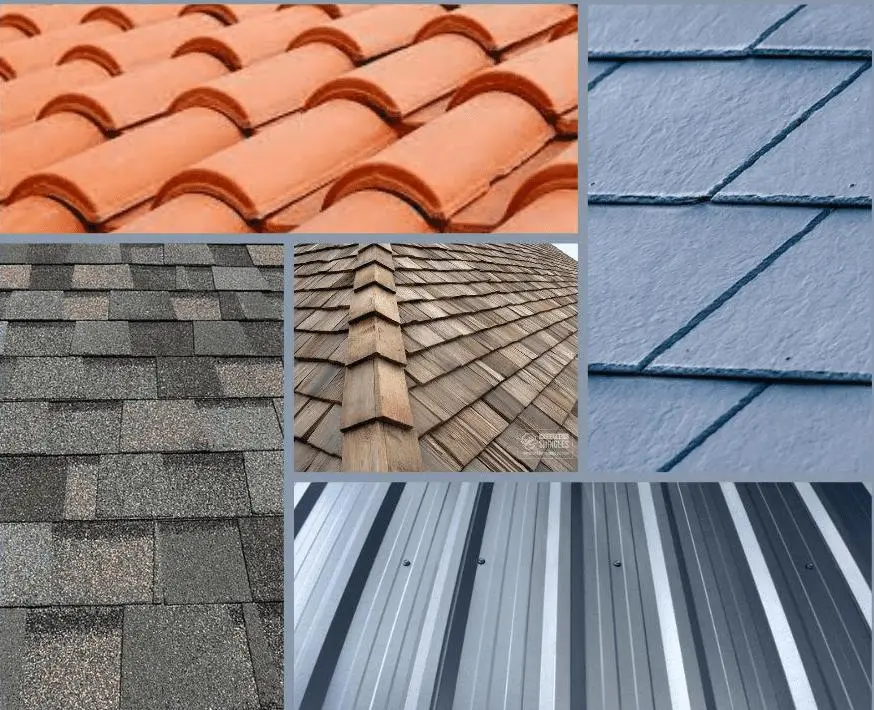
Roofing material is one of the biggest factors affecting your replacement budget. Asphalt shingles usually have a lower upfront price, while premium metal, tile, wood, and slate systems can cost considerably more.
The following estimates come from HomeGuide’s published 2026 roofing cost guide. They represent broad installed price ranges, not fixed quotes.
| Roofing material | Estimated installed cost per sq. ft. | General characteristics |
|---|---|---|
| Asphalt shingles | $3–$6 | Common and relatively affordable |
| Metal roofing | $5–$16 | Durable, with different panel systems |
| Concrete or clay tile | $7–$25 | Heavy and long-lasting |
| Wood shakes | $7–$15 | Natural appearance and maintenance needs |
| Slate roofing | $10–$30 | Premium material with a long potential lifespan |
| Flat roofing systems | $3–$11 | Depends on membrane or roofing system |
Actual prices depend on material grade, installation complexity, roof area, and local labor rates.
How Much Does an Asphalt Shingle Roof Cost?
Asphalt shingles are among the most common residential roofing materials in the United States. They offer a relatively affordable installation price and come in several styles.
There are three common options:
- 3-tab shingles: Basic asphalt shingles with a flat, uniform appearance.
- Architectural shingles: Thicker, layered shingles with more depth and texture.
- Premium architectural shingles: Higher-end products with upgraded designs and performance features.
HomeGuide estimates standard 3-tab asphalt installation at approximately $3–$5 per square foot. Architectural shingles generally cost around $4–$6 per square foot installed.
Estimated lifespans vary by product, climate, ventilation, and installation. HomeGuide gives broad ranges of 15–20 years for 3-tab shingles and 20–30 years for architectural shingles.
Check the manufacturer’s product specifications before comparing warranties or expected service life.
How Much Does a Metal Roof Cost?
Metal roofing typically costs $5–$16 per square foot installed. The final price depends on the metal type, panel design, gauge, and installation requirements.
Common options include:
- Corrugated or exposed-fastener metal panels.
- Standing seam metal roofing.
- Metal shingles.
- Stone-coated steel roofing.
- Aluminum and steel roofing.
- Copper roofing.
Standing seam systems generally cost more than basic corrugated panels because their installation and detailing require more work.
Some homeowners search for a “tin roof.” However, modern metal roofing systems commonly use steel or aluminum. Ask your contractor which actual material and panel system the estimate includes.
Metal roofing can offer a long service life, but the upfront investment may be higher than asphalt shingles.
How Much Does a Clay or Concrete Tile Roof Cost?
Tile roofing usually costs more than asphalt shingles. HomeGuide estimates concrete tile at approximately $7–$19 per square foot installed and clay tile at $8–$25.
Concrete tiles are generally less expensive than clay options. Both materials can last for decades when installed and maintained correctly.
However, tile is heavy. Your contractor should verify that the existing roof structure can support the selected system.
How Much Does a Wood Shake or Shingle Roof Cost?
Wood roofing offers a natural appearance that works well with certain home styles. Cedar is a common material, although other wood types are also available.
Wood shake and shingle installation generally costs around $7–$15 per square foot.
Maintenance matters because moisture, algae, rot, and local fire requirements can affect the roof’s condition and suitability. Ask about the maintenance schedule and any local restrictions before choosing wood roofing.
How Much Does Slate or Synthetic Roofing Cost?
Natural slate is a premium roofing material. HomeGuide estimates installed slate roofing at approximately $10–$30 per square foot.
Slate can last a long time, but it requires a roof structure designed to carry its weight. Installation also requires experienced professionals.
Synthetic slate and composite roofing products offer different weight, design, and pricing options. Their costs vary by manufacturer, product specification, and installation system, so request product-specific estimates.
How Much Does a Flat Roof Cost?
Flat and low-slope roofs use different materials from conventional pitched roofs.
Common systems include:
| Flat roofing system | Estimated installed cost per sq. ft. |
|---|---|
| EPDM rubber membrane | $3.50–$10 |
| TPO membrane | $4–$10 |
| Modified bitumen | $4–$7.50 |
| Built-up roofing | $3.50–$7.50 |
These HomeGuide estimates show why you should identify the exact roofing system before comparing prices.
For example, EPDM and TPO use different membrane materials and installation methods. Drainage, seams, insulation, and roof access can also affect the final cost.
How Much Do Solar Shingles or Solar Roofing Systems Cost?
Solar shingles combine roofing functions with electricity generation. They differ from conventional roof-mounted solar panels.
The total project can include roofing materials, electrical components, inverters, installation, and system integration.
There is no single reliable installed price that applies to every solar roofing project. Request separate estimates for the roofing and electrical work, and compare them with a conventional roof plus standard solar panels.
What Factors Affect the Cost of a New Roof?
Two homes with similar dimensions can receive very different roofing estimates. Contractors consider the roof’s design, condition, location, materials, and installation requirements.
How Does Roof Size and Design Affect Cost?
Larger roof surfaces require more materials and labor. Complex designs also create more cutting, flashing, and installation work.
Dormers, chimneys, skylights, ridges, valleys, and multiple roof facets can increase the project’s cost.
A simple gable roof may be easier to replace than a roof with several intersecting sections.
How Does Roof Pitch Affect Replacement Cost?
Roof pitch describes how steeply a roof rises over a horizontal distance.
Contractors commonly express pitch as a ratio. A 6:12 roof rises six inches for every 12 inches of horizontal distance.
Steeper roofs require additional safety precautions and can increase installation time. They also have more surface area than a flat horizontal footprint.
Angi reports that unusually steep roof pitches can add around $1,000–$3,000 in labor and materials, although actual costs vary by project.
How Do Roof Height and Accessibility Affect Labor Costs?
A two-story home may require more time and equipment than a single-story property.
Contractors also consider:
- Roof access.
- Scaffolding requirements.
- Material transportation.
- Ground protection.
- Nearby structures.
- Site conditions.
Difficult access can increase labor and equipment expenses even when the roof area is relatively small.
How Does Location Affect New Roof Prices?
Roof replacement costs vary between states and local markets.
Labor rates, material availability, transportation, climate, and building requirements all influence the final price.
Areas exposed to hurricanes, heavy snow, or severe weather may require specific roofing products or installation details.
Building permits and HOA requirements can also add expenses. Angi reports permit fees ranging from approximately $100 to $1,400, depending on location.
Ask local contractors about applicable permits and inspection requirements before work begins.
How Does Existing Roof Condition Affect Replacement Cost?
An old roof may hide damage that contractors cannot see until they remove the existing materials.
Common problems include:
- Rotten plywood or OSB decking.
- Water damage.
- Damaged flashing.
- Deteriorated underlayment.
- Structural problems.
- Multiple existing roofing layers.
These issues can increase the final bill. Ask your contractor to explain how unexpected repairs will be priced and approved.
What Is Included in a Roof Replacement Cost Breakdown?
A roofing estimate should explain the materials, labor, preparation, and additional services included in the project.
Do not assume every contractor includes the same work in the quoted price.
Roofing Material and Installation Labor
The base estimate may include shingles or other roofing materials, underlayment, fasteners, flashing, and installation.
HomeGuide estimates typical roofing labor for shingles and flat roofs at around $1.50–$3 per square foot. Premium materials such as tile and slate can require considerably more specialized labor.
Labor prices may also include setup, equipment, site preparation, and cleanup.
How Much Does It Cost to Remove an Old Roof?
Removing existing roofing materials is commonly called tear-off.
HomeGuide estimates old roof removal at approximately $100–$300 per roofing square. The total depends on the existing material, number of layers, labor, and disposal requirements.
Some projects also require dumpster rental and additional cleanup.
Check whether tear-off and debris disposal appear separately in your written estimate.
How Much Does Roof Decking Replacement Cost?
Roof decking is the structural surface attached to the roof framing. It is commonly made from plywood or oriented strand board (OSB).
Water damage or rot can weaken the decking. Contractors may discover these problems after removing the old roofing.
HomeGuide estimates roof decking replacement at approximately $2–$5 per square foot installed.
Ask your contractor for a written price per sheet or square foot for replacement decking. This helps prevent confusion if hidden damage appears during installation.
How Much Do Underlayment and Ice Barriers Cost?
Underlayment sits between the roof deck and the outer roofing material.
It provides another layer of protection against moisture. Common products include synthetic underlayment and roofing felt.
Ice and water barriers provide additional protection in vulnerable areas, such as roof edges and valleys.
The material, coverage area, climate, and local building requirements affect the price. Confirm which products the contractor plans to install and whether their cost is included.
How Much Do Flashing, Pipe Boots, and Drip Edges Cost?
Flashing protects roof areas where water could enter, including chimneys, skylights, walls, and valleys.
Pipe boots seal openings around plumbing vents. Drip edges help direct water away from roof edges.
Some contractors include standard flashing and drip-edge work in their base estimates. Replacement of damaged or complicated components may cost extra.
Ask which existing components will be reused and which will be replaced.
What Do Fascia, Soffit, Ventilation, and Gutter Upgrades Cost?
A roof replacement may reveal problems with fascia boards, soffits, and ventilation.
Ridge vents and other ventilation products help manage attic airflow. Gutters and downspouts move rainwater away from the building.
These components may be separate from the main roof replacement contract.
Ask for separate pricing when you also need new gutters, fascia, soffit, or ventilation upgrades.
Do Roofing Permits, Inspections, and Disposal Add to the Cost?
Many locations require permits for complete roof replacement or structural changes.
Some projects also require inspections to confirm that the work meets applicable building requirements.
Your estimate should identify permit fees, debris disposal, dumpster rental, and any inspection charges that apply.
Always confirm who will obtain the permits and arrange required inspections.
How Do Roofing Contractors Calculate a New Roof Estimate?
A professional estimate starts with accurate measurements and an inspection of the existing roof.
Contractors then calculate material quantities, labor, removal, and any additional work.
How Do Contractors Measure Roof Surface Area?
Roofing companies may use satellite imagery, drone measurements, or physical inspections.
These methods help identify roof facets, ridges, valleys, eaves, rakes, and other details.

A contractor may also inspect the existing shingles, flashing, decking, and ventilation to determine the project’s scope.
How Do Contractors Calculate Roofing Squares and Material Waste?
After measuring the roof, the contractor converts its surface area into roofing squares.
For example, a roof measuring 2,400 square feet contains 24 roofing squares.
The contractor then calculates the required shingles, underlayment, flashing, and other materials. An additional allowance may cover cutting, fitting, and material waste.
The waste allowance varies with the roof’s design and the selected roofing product.
What Should an Itemized Roof Replacement Quote Include?
Before accepting an estimate, check that it identifies:
- Roofing material brand, type, and grade.
- Actual roof measurements.
- Labor charges.
- Old roof removal.
- Dumpster rental and disposal.
- Underlayment and ice barriers.
- Decking replacement allowance.
- Flashing and ventilation.
- Permit and inspection responsibilities.
- Start and completion dates.
- Payment schedule.
- Workmanship and manufacturer warranties.
The National Roofing Contractors Association recommends checking contractor insurance, references, written proposals, project specifications, and warranty conditions.
Get at least three comparable estimates. Make sure each contractor is pricing the same materials and scope of work.
Is It Cheaper to Install a New Roof Over Existing Shingles?
Installing new shingles over an existing roof is commonly called an overlay or roof recover.
It may reduce upfront removal costs, but it is not suitable for every roof.
What Is the Difference Between Roof Overlay and Full Tear-Off?
An overlay installs a new roofing layer over an existing covering when local codes and manufacturer requirements permit it.
A full tear-off removes the existing roofing materials before installing the replacement system.
An overlay can reduce demolition and disposal expenses. A tear-off gives contractors a better opportunity to inspect the roof deck and identify hidden damage.
When Can Contractors Install New Shingles Over Old Shingles?
The answer depends on the existing roof condition, roofing product, and locally adopted building code.
The 2024 International Residential Code’s model provisions prohibit a roof recover when the existing roof is water-soaked or deteriorated, contains certain prohibited materials, or already has two or more roofing applications.
Local authorities determine which code edition and amendments apply. Never assume an overlay is permitted simply because it looks cheaper.
Why Can a Complete Tear-Off Be Worth the Additional Cost?
Removing old shingles allows the contractor to inspect the underlying decking.
They can identify rotten sheathing, water damage, and other problems before installing the new system.
A tear-off may cost more at the start, but it can prevent hidden defects from remaining beneath the replacement roof.
What Is the Cheapest Way to Replace Your Roof?
The cheapest roof is not always the best long-term purchase. Focus on a suitable material, accurate measurements, and a complete written estimate.
Which Roofing Materials Offer Lower Upfront Costs?
Standard asphalt shingles are generally among the lower-cost residential options.
Architectural shingles cost more than basic 3-tab products but offer a different appearance and construction.
Compare the installed price, expected lifespan, maintenance requirements, and warranty rather than choosing solely by the initial material cost.
How Can You Lower the Cost of Roof Replacement?
These steps can help control your project budget:
- Get at least three written estimates.
- Compare identical roofing materials and specifications.
- Address roof problems before they cause wider damage.
- Ask about material options within your budget.
- Check whether removal and disposal are included.
- Avoid paying for unnecessary upgrades.
- Ask about contractor availability during less busy periods.
Do not choose a contractor solely because their quotation is the cheapest.
Is DIY Roof Replacement Cheaper Than Hiring a Contractor?
Doing the work yourself may reduce professional labor charges. However, you still need roofing materials, tools, equipment, waste disposal, and any required permits.
Roofing also involves serious fall risks. OSHA requires employers to protect residential construction workers from applicable fall hazards using compliant fall-protection methods.
Incorrect installation can also create leaks, structural problems, and warranty issues.
For most homeowners, professional installation is the safer choice. Compare complete project estimates before deciding.
Does Homeowners Insurance Cover a New Roof?
Homeowners insurance may cover roof replacement when covered events damage the roofing system.
Storms, wind, and hail may qualify under some policies. Normal aging, deterioration, and lack of maintenance are generally not covered as sudden accidental damage.
Does Insurance Cover Roof Replacement After Storm or Hail Damage?
Start by reviewing your policy and documenting the damage.
Contact your insurer and ask about the claims process. Your insurer may arrange an inspection to determine whether the damage qualifies for coverage.
Do not assume that every storm-related roofing problem will be covered. Wind and hail exclusions or separate deductibles may apply.
Does Homeowners Insurance Pay for an Old or Worn-Out Roof?
Insurance generally does not pay to replace a roof simply because it has reached the end of its useful life.
Policies distinguish between covered accidental damage and normal wear and tear.
Check your policy wording and discuss coverage with your insurance company before arranging major work.
What Are Roof Replacement Insurance Deductibles?
A deductible is the amount you pay before your insurance coverage applies.
Your policy may use either actual cash value (ACV) or replacement cost value (RCV) for covered losses.
- Actual cash value: Accounts for depreciation based on age and condition.
- Replacement cost value: Covers the cost of replacing damaged property with materials of similar kind and quality, subject to policy terms and the deductible.
For example, an older roof with ACV coverage may receive a lower payment because of depreciation.
The National Association of Insurance Commissioners explains these differences in its home insurance coverage guidance.
How Can You Finance a New Roof?
A roof replacement can require a large upfront payment. Several financing options may help homeowners spread the expense over time.
What Financing Options Are Available for Roof Replacement?
Common options include:
- Contractor financing: Some roofing companies work with lenders to offer payment plans.
- Personal loans: Unsecured loans that may provide funds without using your home as collateral.
- Home equity loans: Borrow against available home equity with a fixed repayment structure.
- HELOC: A home equity line of credit that allows borrowing up to an approved limit.
- Credit cards: May help with short-term payments, but interest can make the project more expensive.
Compare interest rates, fees, repayment periods, and total borrowing costs before choosing an option.
Do not judge financing only by the monthly payment. Check how much you will repay over the full loan term.
Is Replacing a Roof a Good Investment?
A new roof protects the home and can improve its condition before a sale. However, the value recovered at resale depends on the project cost, local market, materials, and buyer demand.
Does a New Roof Increase Home Value?
A new roof can make a home more attractive to buyers, particularly when the existing roof has visible damage or is near the end of its lifespan.
The 2025 Journal of Light Construction Cost vs. Value Report estimates that an asphalt-shingle roof replacement recoups about 68% of its cost at resale. Its metal roof replacement estimate recoups around 50%.
These figures are national averages, not guaranteed returns for individual homes.
See the 2025 Cost vs. Value Report.
How Do Roofing Material Lifespans Affect Long-Term Cost?
Initial price is only one part of a roof’s overall cost.
HomeGuide lists broad expected lifespans of 15–20 years for 3-tab asphalt shingles, 20–30 years for architectural shingles, 30–80+ years for metal, 30–100+ years for tile, and 50–200+ years for slate.
Actual service life depends on climate, installation, ventilation, maintenance, and product quality.
A more expensive roof may offer a longer service life, but the best choice depends on your budget and property requirements.
Is It Better to Repair or Replace Your Roof?
A full replacement is not always necessary. Some roofing problems can be solved with targeted repairs.
When Does Roof Repair Make More Financial Sense?
Repair may be more practical when the damage affects a small area.
Examples include:
- A few missing or damaged shingles.
- A limited flashing problem.
- A small roof leak.
- Localized damage around a pipe boot.
- Minor storm damage.
Have a qualified contractor inspect the roof before deciding.
When Is Full Roof Replacement Worth Considering?
Replacement may make more sense when the roof has widespread deterioration, repeated leaks, extensive water damage, or several failed sections.
The age of the material also matters.
Compare the cost of ongoing repairs with a complete replacement. Ask the contractor to explain the condition of the roof and the expected limitations of repairing it.
Frequently Asked Questions About New Roof Costs
Is $30,000 Too Much for a Roof?
Not necessarily. A $30,000 roof may be expensive for a small, simple asphalt-shingle project, but it could be reasonable for a larger or more complex roof using premium materials.
Compare actual roof measurements, material specifications, labor, decking, removal, disposal, and warranties before judging the quotation.
What Is the 25% Rule in Roofing?
The 25% roofing rule is often discussed in connection with Florida building-code requirements. It is not a universal U.S. rule that says a roof must be replaced whenever 25% of it is damaged.
Under Florida Statutes Section 553.844(5), a specific exception applies when an existing roofing system or section was built, repaired, or replaced under the 2007 Florida Building Code or a later edition. When 25% or more of that qualifying system or section is repaired, replaced, or recovered, the statute addresses which portion must meet the applicable current code.
The rule has conditions and should not be applied automatically to every Florida roof. Check with the local building department or a qualified roofing professional.
See the 2026 Florida Statutes, Section 553.844.
How Much Does a New Roof Cost Without Insurance?
Without insurance coverage, the homeowner generally pays the full approved replacement price.
Your total depends on roof size, materials, labor, tear-off, decking repairs, and additional components. Use the cost tables above as a starting point and obtain written local estimates.
How Long Does a New Roof Installation Take?
The time depends on roof size, material, design, weather, and the amount of preparation required.
A straightforward asphalt-shingle replacement may take less time than a complex metal, tile, or slate installation. Decking repairs and bad weather can extend the schedule.
Ask your contractor for an expected start date and completion window.
How Much Does a New Garage Roof Cost?
Garage roof costs depend on the actual surface area, pitch, roofing material, and existing condition.
An attached garage may share structural and roofing details with the main house. A detached garage may have a simpler design, but its roof still needs a separate measurement.
Does a New Roof Include Gutters?
Not automatically. Some contractors include gutter work, while others treat it as a separate project.
Check whether your quotation includes gutter removal, replacement, downspouts, and any fascia or soffit repairs.
How Much Does a New Roof Cost If You Do It Yourself?
DIY costs depend on materials, tools, equipment, waste disposal, permits, and roof complexity.
You may save professional labor charges, but safety, installation quality, and warranty requirements matter. Compare the complete DIY budget with a professional quotation before deciding.
How Much Does a New Roof Cost for a Townhouse?
Townhouse roofing costs depend on the roof’s size, shared structures, material, access, and ownership arrangements.
Some communities have shared roof responsibilities or HOA requirements. Check the applicable agreements before arranging replacement work.
References and Further Reading
- Angi: How Much Does Roof Replacement Cost? 2026 – Current national project-cost data, materials, labor, and additional expenses.
- HomeGuide: Roof Replacement Cost – Material prices, labor, roofing squares, and installation estimates.
- GAF: Roof Replacement Costs – Roof measurements, material selection, contractor estimates, and warranties.
- Homewyse: Asphalt Shingle Installation Cost – Itemized asphalt roofing cost calculations.
- National Roofing Contractors Association: Selecting a Contractor – Contractor qualifications, insurance, written proposals, and warranties.
- National Association of Insurance Commissioners: Actual Cash Value vs. Replacement Cost – Homeowners insurance coverage explanations.
- International Code Council: 2024 International Residential Code, Chapter 9 – Roof replacement and recover provisions.
- Florida Senate: 2026 Florida Statutes, Section 553.844 – Florida roof and windstorm provisions.
- Journal of Light Construction: 2025 Cost vs. Value Report – National remodeling costs and resale-value estimates.
- OSHA: Fall Protection in Residential Construction – Worker fall-protection requirements.