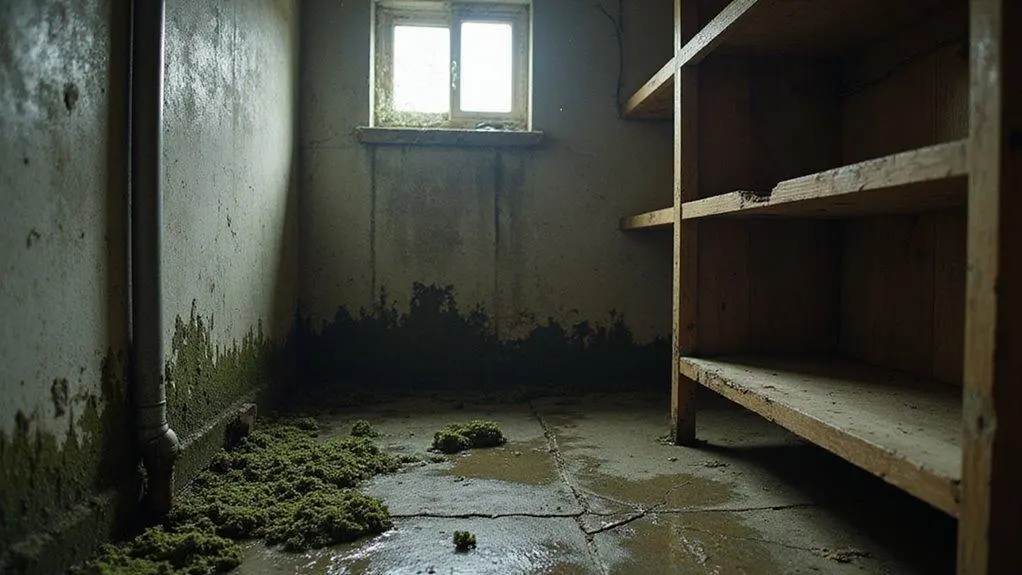
What Does Mold Smell Like? Common Odors and Warning Signs
Mold usually smells musty, earthy, damp, or stale. Some people compare the odor to wet cardboard, dirty socks, old books, or rotten wood.
The smell can develop in basements, bathrooms, carpets, closets, and other areas with moisture. It may also come from mold growing behind walls or inside HVAC systems.
However, smell alone cannot confirm mold growth or identify a mold species. Some mold grows without producing a noticeable odor. Other household problems can create similar smells.
Understanding these odors can help you find possible moisture problems and decide what to check next.
What Does Mold Smell Like?
Mold does not have one universal smell. Its odor can vary depending on the type of growth, the affected material, and the surrounding conditions.
Common descriptions include:
Musty or Stale Smell
A musty smell is one of the most common signs associated with indoor mold.
It may remind you of an old basement, a closed room, or damp clothing left in a washing machine. The odor can become stronger in rooms with poor ventilation.
If a room smells musty even after you open its windows, check for moisture around walls, floors, and furniture.
Earthy or Wet Soil Smell
Some mold odors resemble damp soil, decaying leaves, or a forest floor.
This smell may develop when fungi grow on organic materials such as wood, paper, dust, or other surfaces.
A damp crawl space, basement, or area beneath a leaking sink may produce a similar odor.
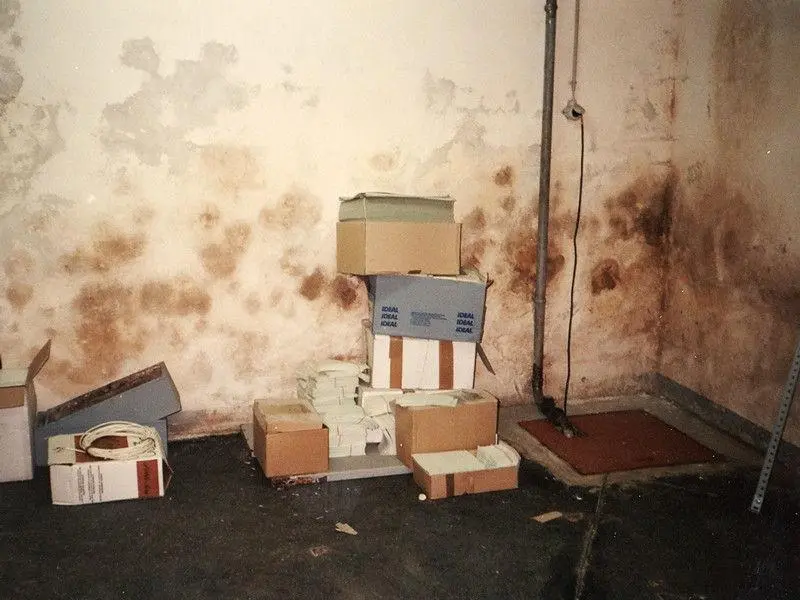
Wet Cardboard or Old Paper Smell
Mold can grow on paper-based materials when they remain damp.
The resulting odor may resemble:
- Wet cardboard.
- Old books stored in a basement.
- Damp newspapers.
- Stale paper bags.
- Musty storage boxes.
Check cardboard boxes, books, wallpaper, and other paper products stored near damp walls.
Dirty Socks or Damp Laundry Smell
Some people describe mold odors as similar to sweaty socks, wet towels, or clothes left inside a washing machine.
This smell can develop around damp fabrics, carpets, upholstery, and laundry areas.
If clean clothes develop a musty odor after washing, inspect the washing machine, laundry basket, and nearby surfaces for moisture.
Rotten Wood or Decaying Organic Matter
Mold growing on damp wood may produce an earthy, stale, or decaying smell.
You may notice this odor around wooden floors, window frames, cabinets, or damaged furniture.
However, rotten wood and bacterial decay can also produce unpleasant odors. The smell alone cannot confirm mold.
Common Mold Smells at a Glance
| Odor description | Possible source to investigate |
|---|---|
| Musty or stale | Damp rooms, walls, or furniture |
| Earthy or wet soil | Crawl spaces, basements, or damp wood |
| Wet cardboard | Paper, books, or storage boxes |
| Dirty socks | Damp carpets, towels, or laundry |
| Rotten wood | Water-damaged wood or building materials |
| Sour or stale | Damp fabrics, drains, or other household sources |
These descriptions are clues, not reliable ways to identify mold.
Why Does Mold Produce a Musty Smell?
Mold produces odors through biological activity as it grows on suitable materials.
Two factors help explain why these smells develop.
Microbial Volatile Organic Compounds (mVOCs)
Some fungi and other microorganisms release substances called microbial volatile organic compounds, or mVOCs.
These compounds can travel through the air and contribute to unpleasant indoor odors. Some have musty or earthy smells.
According to the U.S. Environmental Protection Agency (EPA), certain mVOCs contribute to the characteristic smell associated with moldy environments.
However, not every mold produces the same odor. The EPA also notes that the health effects of inhaling mVOCs are not fully understood.
How Moisture Supports Mold Growth
Mold needs moisture to grow. It can develop when spores land on damp surfaces and find suitable conditions.
Common moisture sources include:
- Leaking pipes and roofs.
- Flooding or water intrusion.
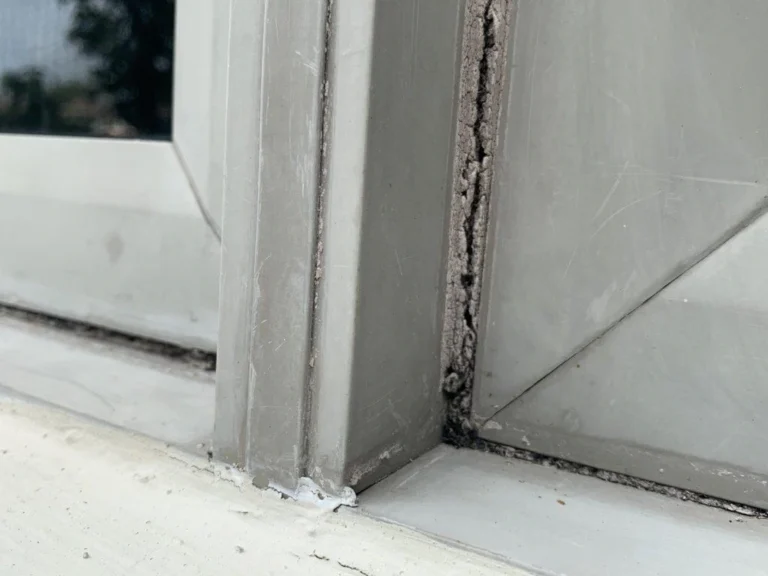
- Condensation around windows.
- High indoor humidity.
- Poor ventilation.
- Wet carpets and drywall.
Mold spores are present in indoor and outdoor air. They may begin growing when they land on damp materials.
The EPA’s guide to mold and moisture recommends drying wet materials within 24–48 hours when possible.
The CDC recommends keeping indoor humidity no higher than 50% when possible. The EPA recommends keeping it below 60%, ideally between 30% and 50%.
What Does Black Mold Smell Like?
Black mold is often associated with strong, musty household odors. However, its smell is not unique.
The term “black mold” commonly refers to dark-colored mold growth. One species often discussed is Stachybotrys chartarum.
Other mold species can also appear dark.
Does Black Mold Have a Different Smell?
Black mold may produce a musty, earthy, or damp smell. Some people describe it as similar to rotten wood or wet soil.
However, these descriptions also apply to other types of mold and damp materials.
The odor can vary based on the surface, moisture level, and surrounding conditions.
Can You Identify Black Mold by Its Odor?
No. You cannot identify Stachybotrys chartarum or any other mold species by smell alone.
Color and odor are not reliable ways to determine mold type or toxicity.
If you notice dark growth, treat it as possible mold. Focus on finding the moisture source rather than trying to identify the species by appearance.
For more information, read the CDC’s guidance on mold and health.
What Does Mold Smell Like in Different Parts of a House?
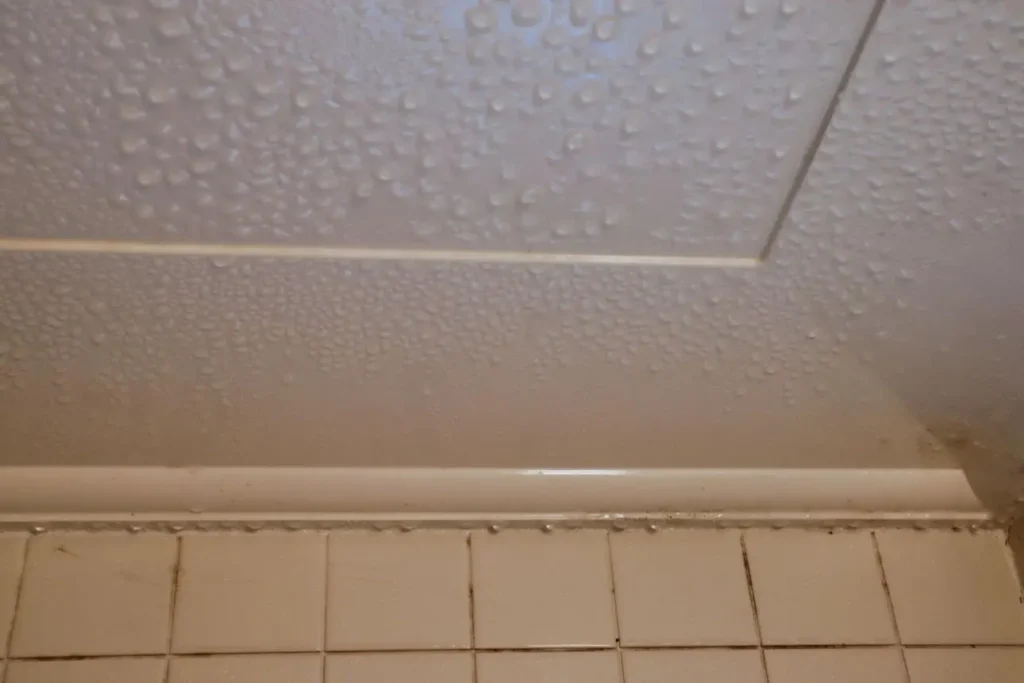
Mold odors can develop in different rooms and materials. The location may help you identify where moisture is collecting.
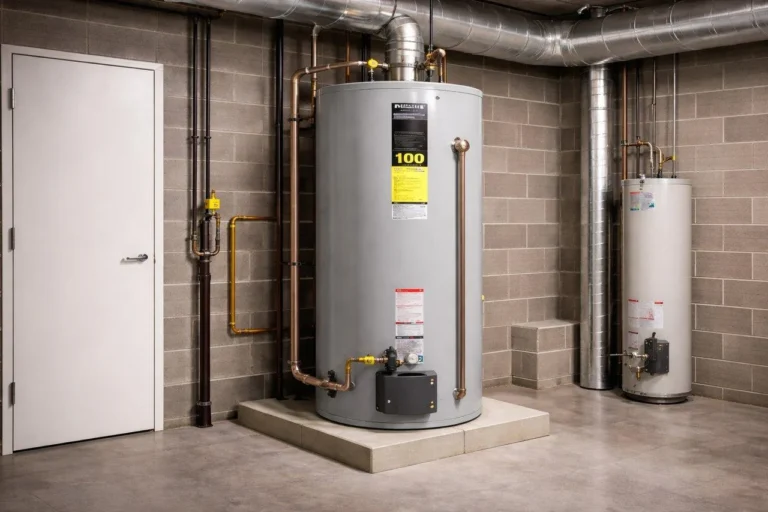
Mold Smell in Basements and Crawl Spaces
Basements and crawl spaces often have limited ventilation. Water can also enter through foundations, plumbing leaks, or poor drainage.
Common odor descriptions include:
- Damp soil.
- Wet wood.
- Musty storage areas.
- Stale air.
- Rotten leaves.
Check foundation walls, wooden supports, stored boxes, and flooring for dampness.
Mold Smell in Bathrooms, Showers, and Laundry Rooms
Bathrooms produce moisture through showers, baths, and sinks.
If ventilation is poor, moisture can collect around tiles, grout, ceilings, and cabinets.
Look for:
- Musty towels.
- Damp bathroom mats.
- Discolored grout.
- Water stains around ceilings.
- Moisture beneath sinks.
- Persistent smells near washing machines.
Also check drains and plumbing. Buildup inside drains can produce unpleasant odors that resemble mold.
Mold Smell Behind Walls and Ceilings
Hidden mold can develop when water enters wall cavities or ceiling spaces.
Common causes include leaking pipes, roof damage, and condensation.
You may notice a persistent musty smell without seeing visible growth.
Check for water stains, peeling paint, bubbling wallpaper, and soft drywall. A recurring odor near one wall may justify further investigation.
Mold Smell in Carpets, Clothes, and Furniture
Soft materials can hold moisture and develop musty odors.
Common examples include:
- Carpets and carpet padding.
- Damp clothes and towels.
- Mattresses and sofas.
- Curtains and upholstery.
- Wooden furniture.
- Leather items and stored fabrics.
A carpet may smell musty even after its surface dries if the padding underneath remains damp.
Washable fabrics may need proper washing and complete drying. Materials with extensive mold growth may require replacement.
Mold Smell in Attics, Closets, and Kitchens
Attics can develop moisture problems from roof leaks, condensation, or poor ventilation.
Closets may trap moisture when clothes are packed tightly or air circulation is limited.
In kitchens, inspect areas around sinks, dishwashers, refrigerators, and cabinets. Leaking connections can keep hidden surfaces damp.
A smell near a refrigerator or dishwasher may also come from food residue, standing water, or a blocked drain. Do not assume every unpleasant kitchen odor comes from mold.
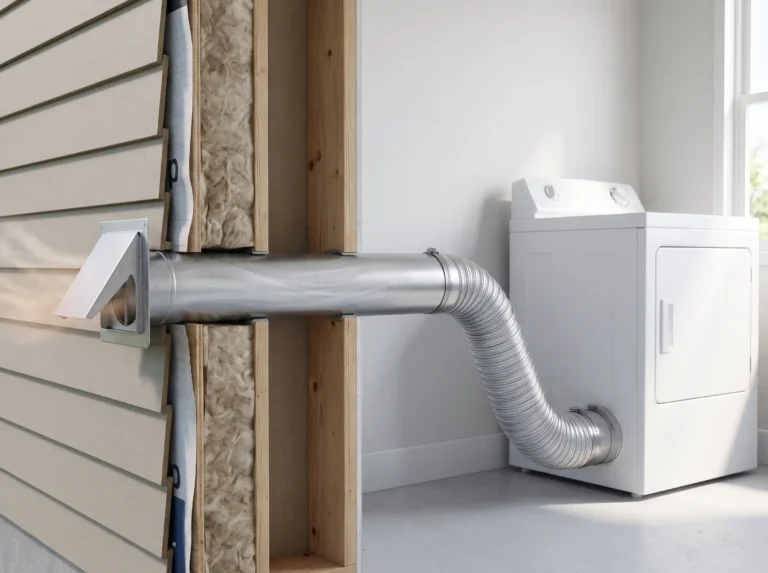
Mold Smell in HVAC Systems, Air Ducts, and Vents
A musty smell that becomes stronger when the heating or cooling system runs deserves attention.
Possible moisture sources include:
- Wet air filters.
- Condensation around cooling equipment.
- Damp insulation.
- Standing water in drain pans.
- Moisture inside ductwork.
Check accessible filters and visible areas around the equipment. Do not assume the entire duct system contains mold because one vent smells musty.
If the odor continues, consider an HVAC inspection to identify the moisture source.
Mold Smell in Cars and Apartments
A car may develop a musty odor after water enters through windows, doors, carpets, or the air-conditioning system.
Check floor mats, carpet padding, the trunk, and the cabin air filter.
In apartments, odors may come from plumbing leaks, neighboring units, shared ventilation, or hidden water damage.
If you rent, report persistent moisture problems to your landlord or property manager.
What Is the Difference Between Mold and Mildew Smell?
Mold and mildew are both types of fungi. Their odors can overlap, but mildew is often associated with a lighter musty smell.
Mildew commonly develops on damp surfaces such as bathroom walls, fabrics, and window areas.
Mold can grow on a wider range of materials, including drywall, wood, carpet, and insulation.
How Mold and Mildew Odors Compare
| Feature | Mold | Mildew |
|---|---|---|
| Common smell | Musty, earthy, damp, or stale | Musty, damp, or slightly sour |
| Common locations | Walls, wood, carpets, ceilings, and hidden spaces | Bathrooms, fabrics, windows, and damp surfaces |
| Appearance | Various colors and textures | Often powdery or flat |
| Growth | Can spread into materials | Often appears on surface areas |
These differences are general. Smell and appearance cannot reliably distinguish every type of fungal growth.
The EPA’s explanation of mold and mildew provides further information.
Can a House Smell Musty Without Having Mold?
Yes. Several household problems can produce musty or unpleasant odors without confirmed mold growth.
Consider these possible sources:
Damp soil and crawl spaces: Moisture beneath a house can create an earthy smell that enters living areas.
Plumbing and sewer odors: Dry drain traps, blocked drains, and leaking plumbing can produce sour or unpleasant smells. Sewer gas may also create a rotten-egg odor.
Dirty HVAC filters: Dust and trapped moisture can create stale smells when the heating or cooling system operates.
Wet materials: Damp carpets, clothes, furniture, and stored items can smell musty even before visible mold appears.
Food waste: Rotting food and residue inside refrigerators, dishwashers, or kitchen drains can create strong odors.
Natural gas: Odorized natural gas smells like rotten eggs. If you suspect a gas leak, leave immediately. Avoid operating electrical switches or using phones inside the affected area. Call 911 or your gas utility from a safe location. Follow PHMSA emergency guidance.
Can You Smell Mold but Not See It?
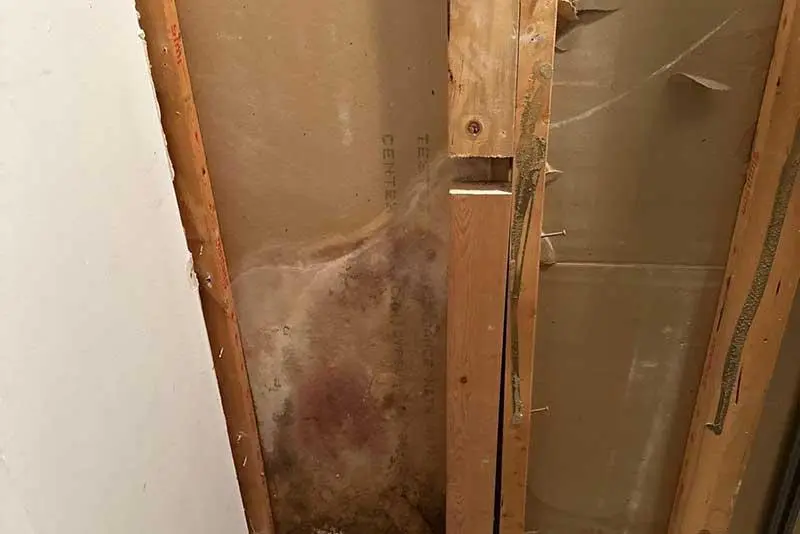
Yes. Mold can grow in places that are difficult to inspect.
A persistent musty odor may indicate hidden moisture or microbial growth. However, other household sources can produce similar smells.
Hidden Mold Behind Walls and Under Flooring
Mold may develop in concealed areas such as:
- Behind drywall and wallpaper.
- Under carpets and flooring.
- Inside wall cavities.
- Beneath kitchen and bathroom cabinets.
- Around leaking plumbing.
- Inside attic insulation.
- Near roof leaks.
- In crawl spaces.
Water can enter these areas without leaving obvious signs on the surface.
Signs of Hidden Mold Around the Home
Look for other signs that may point to a moisture problem.
- Water stains on walls or ceilings.
- Peeling paint or wallpaper.
- Warped flooring.
- Soft or damaged drywall.
- Condensation around windows.
- Recurring musty odors.
- Previous leaks or flooding.
A musty smell alone does not prove hidden mold. Look for moisture and water damage before deciding what to do.
Can Mold Smell Affect Your Health?
Mold odors can make indoor spaces unpleasant. However, the smell itself does not tell you how much mold is present or whether it is dangerous.
Mold exposure can cause health effects, particularly in people with allergies or respiratory conditions.
Possible Symptoms of Mold Exposure
According to the CDC’s mold and health guidance, exposure to damp and moldy environments can cause symptoms such as:
- Stuffy or runny nose.
- Sore throat.
- Coughing.
- Wheezing.
- Burning or irritated eyes.
- Skin irritation.
People with asthma may experience worsening symptoms. Some individuals with weakened immune systems or chronic lung conditions face a higher risk of serious complications.
The CDC provides specific advice for people with asthma, other respiratory conditions, or mold allergies after severe weather events. These individuals should avoid buildings with indoor water leaks or visible or smelled mold growth in that context. See the CDC’s clinical guidance.
If symptoms develop or worsen in a particular building, discuss them with a healthcare professional.
What Should You Do If Your House Smells Like Mold?
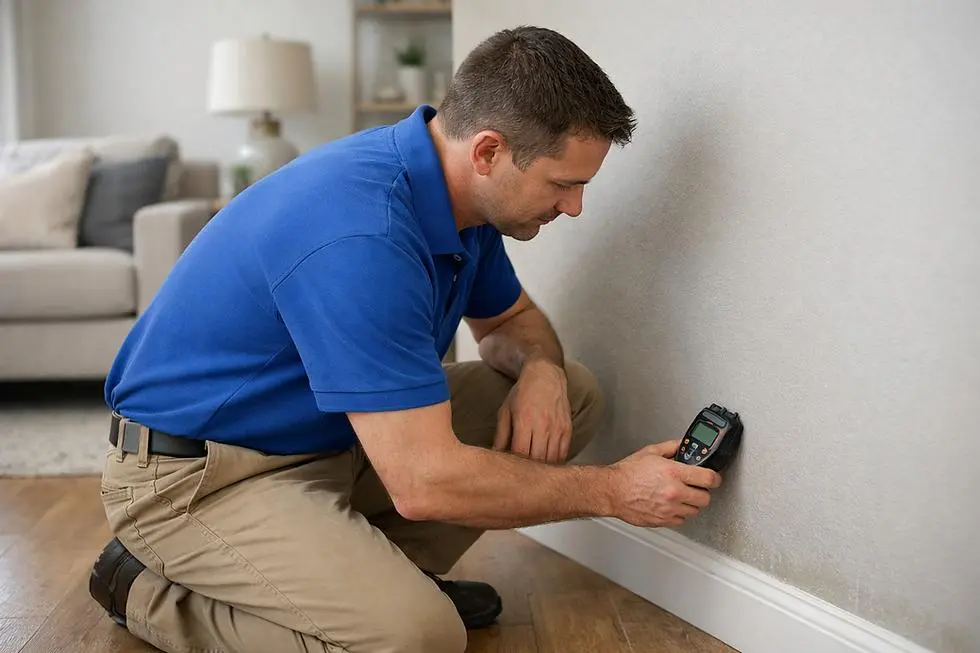
A persistent musty smell deserves investigation. The most important step is finding and addressing the moisture source.
Find the Source of the Odor
Start by identifying where the smell is strongest.
Check basements, bathrooms, closets, carpets, cabinets, and areas around plumbing.
Notice whether the smell becomes stronger after rain, showers, or when the HVAC system runs.
Avoid covering the odor with air fresheners. They do not solve moisture problems.
Check for Moisture and Water Damage
Look for leaking pipes, roof damage, condensation, and damp materials.
Use a humidity meter to monitor indoor humidity. Improve ventilation where possible and repair leaks promptly.
Dry wet materials within 24–48 hours when possible. Remove standing water and dry affected surfaces thoroughly.
The EPA’s mold cleanup guide explains how to handle household mold and moisture problems.
When to Consider Professional Mold Inspection
Consider professional help when:
- Mold covers a large area.
- The odor continues without an obvious source.
- Water damage affects walls, ceilings, or flooring.
- Mold may be inside HVAC equipment.
- Contaminated materials involve sewage or extensive flooding.
- Household members experience ongoing respiratory symptoms.
The EPA says areas smaller than about 10 square feet can often be handled by homeowners in many situations. Larger areas, complex damage, and HVAC contamination may require professional help.
Routine mold testing is usually unnecessary when visible mold is already present. The EPA explains that there are no federal limits for acceptable indoor mold or mold spores. Testing may be useful in specific investigations, but it does not replace finding and fixing moisture problems.
Read the EPA’s guidance on mold sampling and testing before arranging a test.
Frequently Asked Questions
What Is the Most Common Smell of Mold?
Mold commonly produces a musty, earthy, or damp smell. People may compare it to wet soil, old books, or damp laundry. The odor varies with the type of growth and affected material.
Can Mold Smell Like Wet Cardboard?
Yes. Mold growing on damp paper products, cardboard, or other materials may create an odor similar to wet cardboard or old books. Check stored boxes and paper products for moisture.
Can Mold Smell Like Urine?
Sometimes a musty or sour household odor may be mistaken for urine. However, mold does not have a reliable urine-like smell. Check for pet accidents, plumbing leaks, and other possible sources.
Can Mold Smell Like Rotten Eggs?
Mold is not a reliable explanation for a rotten-egg smell. Odorized natural gas and sewer gas can produce similar odors. If you suspect a natural gas leak, leave immediately and call for help from a safe location.
Can You Identify Mold Species by Smell?
No. Different mold species can produce overlapping odors. You cannot identify black mold, Stachybotrys chartarum, or other species by smell alone.
Does Mold Smell Disappear After Cleaning?
The smell may improve after cleaning, but it can return if moisture remains.
Cleaning visible growth without fixing the water source does not solve the underlying problem. Check affected materials and repair leaks to prevent further growth.
Can You Smell Mold Through Air Vents?
You may notice a musty odor coming from air vents, especially when the HVAC system runs. Possible sources include damp filters, condensation, drain pans, or contaminated materials. An HVAC professional can investigate persistent odors.
Conclusion
Mold commonly smells musty, earthy, damp, or stale. Some odors resemble wet cardboard, dirty socks, old books, or rotten wood.
You may notice these smells in basements, bathrooms, carpets, closets, attics, or around air vents. Mold can also grow behind walls and under flooring without visible signs.
However, smell alone cannot confirm mold or identify its species. Check for moisture, water damage, and other warning signs.
If the odor keeps returning, find and fix its source. Controlling moisture is the most important step in preventing mold growth.