Pink Mold in Shower: What Causes It, How to Remove It, and Prevent It
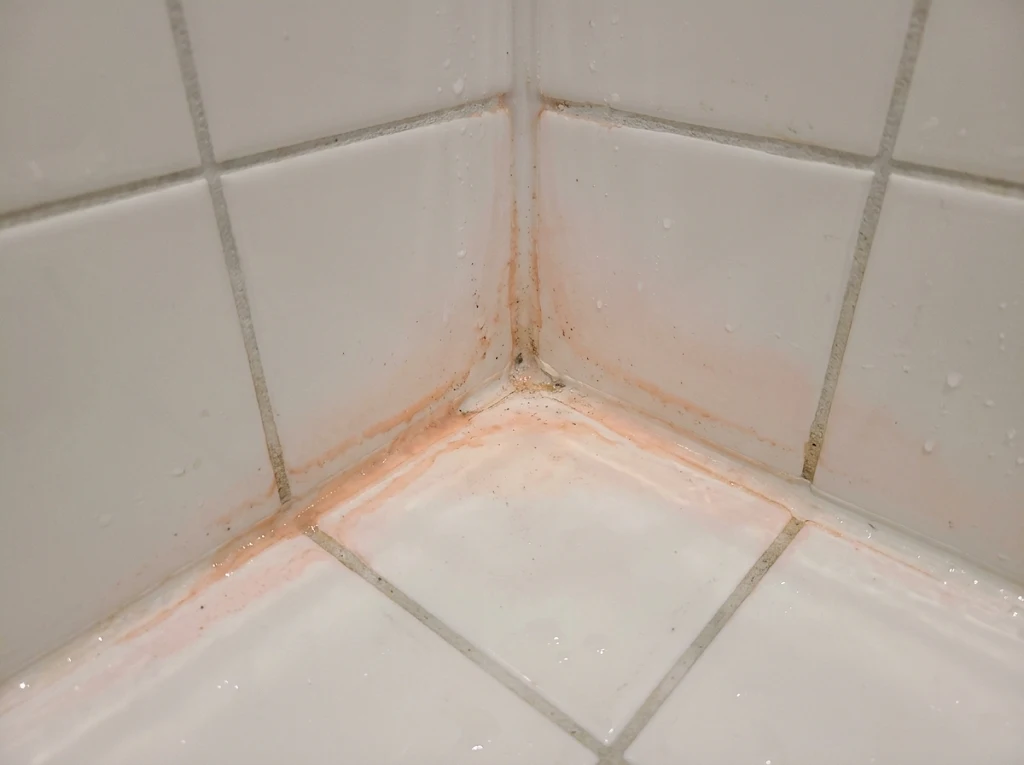
Pink stains or slimy residue around your shower can look like mold. You may notice it along grout lines, around the drain, on shower curtains, or near the edges of your bathtub.
Despite the common name, this growth is often not mold. It is frequently associated with a bacterium called Serratia marcescens. This organism can produce a pink, orange, or red pigment and grow on damp bathroom surfaces.
The frustrating part is that cleaning may remove the visible buildup, but it can return within days or weeks. That usually means moisture, soap residue, and other conditions still support its growth.
This guide explains how to identify the residue, clean different shower surfaces, understand possible health concerns, and reduce the chances of it returning.
Quick Answer: What Is the Pink Residue in Your Shower?
Pink or reddish buildup in a shower is often associated with Serratia marcescens, an airborne bacterium that can grow in damp areas. It feeds on materials such as soap residue and other organic deposits.
It is commonly found around shower corners, drains, grout, and bathroom fixtures. However, appearance alone cannot confirm the exact organism. Mineral deposits, rust, and other types of growth can also create pink or reddish stains.
| What you notice | What it may indicate |
|---|---|
| Pink or orange slimy film | Possible bacterial buildup |
| Pink residue around soap dishes | Moisture and soap residue |
| Pink marks near the drain | Persistent moisture and organic deposits |
| Pink discoloration on grout | Surface buildup or staining |
| Red-brown marks that do not feel slimy | Possible rust or mineral staining |
| Fuzzy or spreading patches | Possible fungal growth; needs closer inspection |
The first step is to identify the surface and condition. Then choose a cleaning method that is safe for that material.
What Is Pink Mold in the Shower?
Pink mold is a common household name for pink or reddish growth found in bathrooms. In many cases, the growth is linked to Serratia marcescens, a gram-negative bacterium.
This bacterium can live in damp environments. It may appear around shower corners, basins, drains, and other places that stay wet.
The Centers for Disease Control and Prevention (CDC) describes how Serratia marcescens can produce a red pigment called prodigiosin. This pigment gives some bacterial colonies their pink, orange, or red appearance. Read the CDC article on Serratia marcescens.
Why Is It Called Pink Mold?
People often call it pink mold because it looks similar to ordinary mold growth. However, the term does not always describe what is actually growing.
The distinction matters because bacteria and fungi are different types of microorganisms. A pink stain is not enough to identify either one with certainty.
The name Serratia marcescens is commonly associated with this bathroom residue. It can produce a colored pigment, which explains the pink or reddish appearance.
Other organisms can also create colored bathroom stains. Rust and mineral deposits may look similar. Do not assume every pink mark is the same type of growth.
What Does Pink Mold Look Like?
The appearance can change depending on the surface and how long the buildup has been present.
You may notice:
- A slimy pink film around shower drains.
- Orange or reddish streaks along grout lines.
- Pink patches around bathtub edges.
- A thin coating on shower curtains or liners.
- Discolored areas around soap dishes and shampoo bottles.
- Pink residue near taps, shower heads, and other fixtures.
Fresh buildup may wipe away easily. Older stains can cling to grout, silicone, and textured surfaces.
If a mark stays after cleaning, it may be discoloration rather than active growth. Damaged grout, rust, and mineral deposits can also leave persistent marks.
What Causes Pink Mold in the Shower?
The main conditions are moisture, suitable surfaces, and residue that supports bacterial growth.
Bathrooms provide these conditions naturally. Showers produce warm, humid air. Water collects around corners and fixtures. Soap and body-care products leave deposits behind.
The bacterium can reach bathroom surfaces through the surrounding environment. It does not need to come directly from your water supply.
Why Does Serratia marcescens Grow in Bathrooms?
Serratia marcescens can be present in the environment. Airborne particles can carry it into a home.
Once it reaches a suitable surface, moisture and residue can support its growth. The following conditions can make the problem more persistent.
1. Constant moisture
Water often remains around shower corners, drains, grout, and silicone joints. These areas may stay damp long after someone finishes showering.
2. Soap scum and body-care residue
Soap, shampoo, conditioner, and body oils can leave deposits on bathroom surfaces. These deposits provide material that supports bacterial buildup.
3. Poor ventilation
A bathroom that stays humid takes longer to dry. Without an exhaust fan or enough airflow, moisture can remain on walls, ceilings, and fixtures.
4. Standing water
Water that collects around drains, shower trays, or bathtub edges creates another place for residue to build up.
5. Infrequent cleaning
A thin film can accumulate when surfaces are not cleaned regularly. Over time, the buildup becomes more noticeable and harder to remove.
What Is Biofilm, and Why Does It Matter?
A biofilm is a community of microorganisms attached to a surface and surrounded by a protective layer they produce.
In a bathroom, microbial communities can develop on damp surfaces. The residue may become harder to remove when it combines with soap scum, minerals, and other deposits.
This helps explain why wiping the visible pink layer may not solve a recurring problem. You may remove the surface residue while leaving deposits behind in corners, textured areas, or around fixtures.
Scrubbing helps remove buildup. Regular cleaning and drying make it harder for residue to accumulate again.
Does Pink Mold Come From Tap Water?
Usually, pink bathroom residue is not evidence that your municipal drinking water is contaminated.
For example, the City of Ann Arbor explains that pink bathroom residue is associated with airborne Serratia marcescens, rather than bacteria in its city drinking water. The city also notes that warm, moist bathrooms provide suitable conditions for growth. See the city’s drinking water FAQs.
The City of Frederick gives similar guidance. It explains that the bacterium can enter through airborne particles and grow where moisture and residue are present. Read its pink slime fact sheet.
However, water conditions can still affect bathroom buildup. Some filters remove chlorine from water. The Frederick fact sheet notes that removing chlorine may create more favorable conditions in certain situations.
That does not mean a shower filter will remove existing residue or solve every recurrence problem. Filter performance depends on the filter type, water conditions, and maintenance.
If you notice unusual discoloration in drinking water, contact your water supplier. Do not assume that pink shower residue proves your water supply is unsafe.
Why Does Pink Mold Keep Coming Back?
If you clean your shower today and see pink residue again a few days later, the visible stain may not be the only issue.
The conditions that supported the original growth may still exist.
Common reasons include:
- Water remains around grout, drains, and shower corners.
- Soap scum builds up between cleaning sessions.
- The bathroom has poor ventilation.
- A shower curtain stays folded while wet.
- The same damp areas receive little attention during routine cleaning.
- Old silicone or damaged grout traps moisture and residue.
- Cleaning removes visible buildup but does not address the moisture problem.
A single deep clean may improve the appearance. It cannot prevent recurrence if the bathroom remains damp.
Check the areas where water collects. Look behind bottles, around the drain, along the lower grout lines, and near the edges of the tub.
Where Does Pink Mold Grow in a Bathroom?
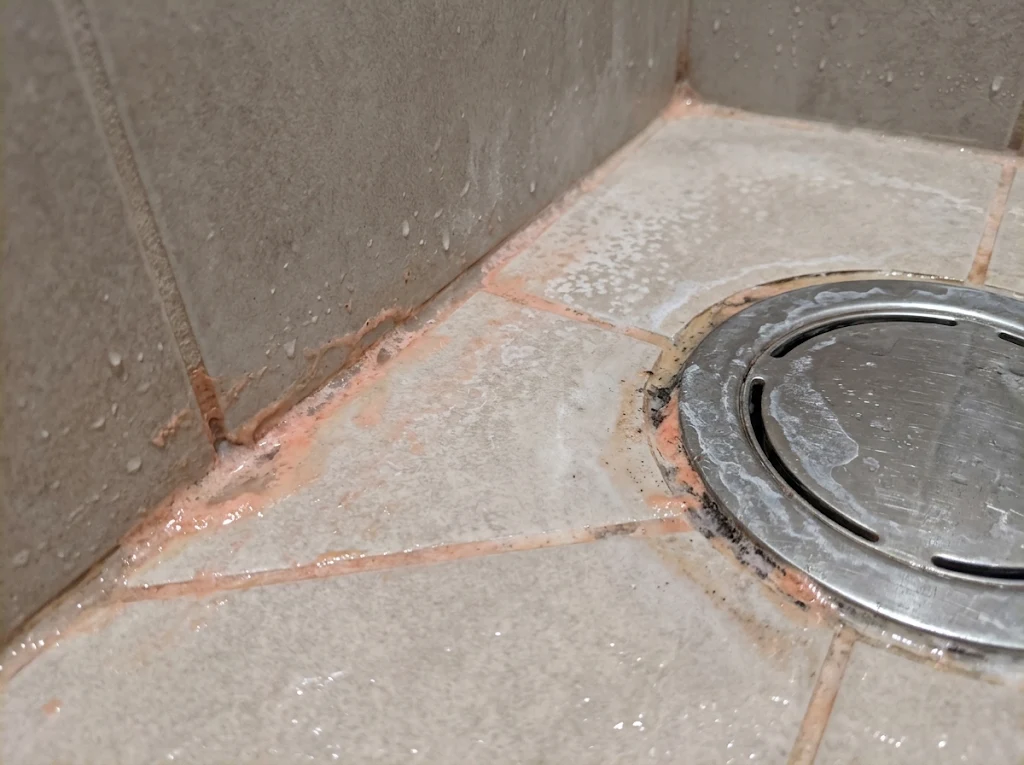
Pink residue can appear anywhere that stays damp and collects deposits. Some surfaces need more attention because they have grooves, seams, or textured areas.
Pink Mold on Shower Grout and Caulk
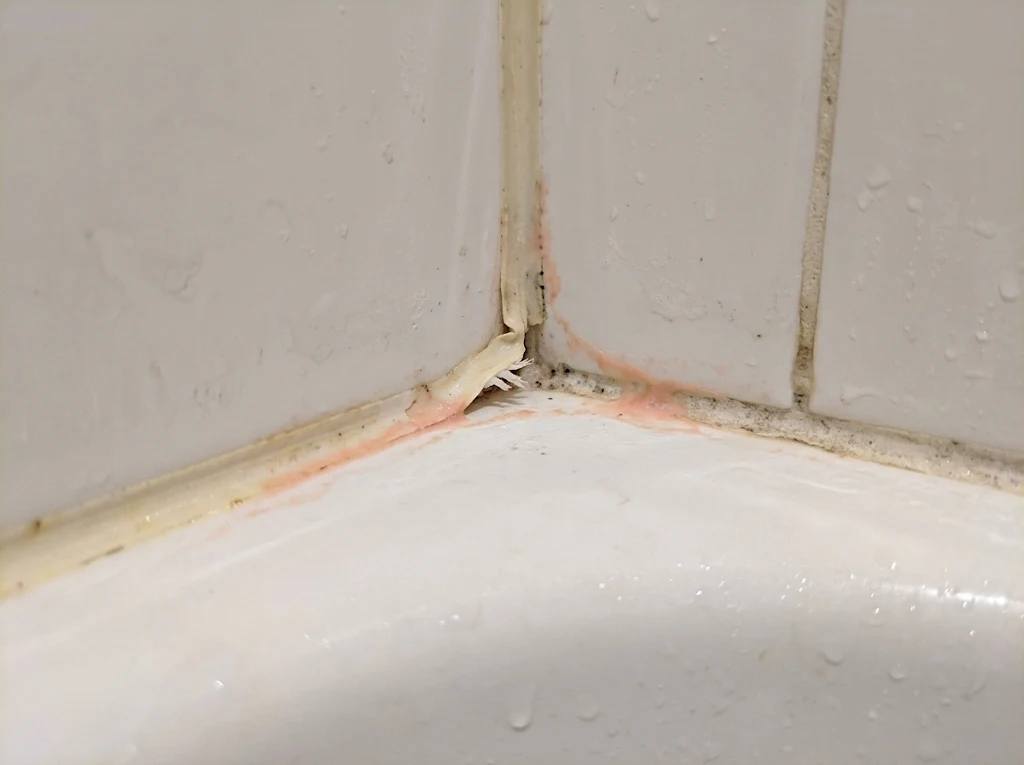
Grout lines and silicone joints are common places for recurring discoloration.
Grout has a textured, porous surface. Soap residue and moisture can collect in its small openings. Silicone caulk can also develop buildup along its edges.
Start by checking whether the stain sits on the surface or whether the material itself has changed.
If the grout is cracked, loose, or crumbling, ordinary surface cleaning may not solve the underlying problem. Damaged joints can also allow water to reach areas behind the tile.
For silicone caulk, look for peeling, gaps, or persistent discoloration. If the material has failed, replacing the damaged section may be more effective than repeatedly scrubbing it.
Do not apply new caulk over dirty, wet, or damaged material. The surface needs proper preparation before replacement.
Pink Mold on Shower Curtains and Liners
Shower curtains and plastic liners can develop pink residue along their lower edges.
These areas often stay wet because they touch the tub or remain folded after showering. Soap and body-care products can also collect on the surface.
For washable curtains, follow the care label. Some fabric curtains can go through a washing machine. Check the manufacturer’s instructions before washing a liner.
For plastic or vinyl liners, use a cleaner approved for that material. Rinse thoroughly and allow the liner to dry.
Replace a liner if it has persistent staining, damage, or buildup that you cannot remove safely.
After each shower, spread the curtain or liner fully. This helps air reach both sides.
Pink Mold on Shower Heads and Drains
Shower heads and drains can collect mineral deposits, soap residue, and microbial buildup.
Check the shower head where water exits. Look around the drain cover and nearby surfaces. A slimy coating may indicate buildup that needs cleaning.
Clean removable shower-head parts according to the manufacturer’s instructions. Avoid using acidic cleaners on materials that may react with them.
For drains, remove visible debris and clean the accessible surfaces. Do not pour different cleaning chemicals into the drain.
If the drain smells unpleasant, drains slowly, or repeatedly develops buildup, check for a plumbing or drainage issue. A recurring problem may need more than surface cleaning.
Is Pink Mold in the Shower Dangerous?
Pink bathroom residue should not be ignored, but it is important to understand the level of risk.
Serratia marcescens is an environmental bacterium. It can cause infections in certain circumstances, particularly in healthcare settings. The CDC has documented infections involving this organism, including urinary tract and wound infections.
However, those documented infections do not mean that ordinary contact with a pink shower stain will make a healthy person sick.
The City of Frederick’s drinking water fact sheet says this growth is not usually considered a health risk in the home. It advises people with weakened immune systems to speak with their healthcare providers. Read the fact sheet.
The sensible approach is to clean the affected area, avoid direct contact with the buildup, and use cleaning products safely.
Can Serratia marcescens in a Shower Make You Sick?
The presence of Serratia marcescens in a bathroom does not automatically mean someone will develop an infection.
The risk depends on factors such as a person’s health, the route of exposure, and the circumstances involved.
The CDC’s published research documents serious infections in healthcare and other specific settings. These reports should not be treated as proof that a typical household shower stain causes the same outcome.
Avoid touching the residue with bare hands. Wear gloves while cleaning, wash your hands afterward, and keep cleaning tools away from food-preparation areas.
If you have a weakened immune system or a specific medical concern, ask your healthcare provider for personal advice.
Who Faces Higher Health Risks?
People with weakened immune systems may face a higher risk from certain opportunistic bacteria.
This can include people receiving some cancer treatments, people with organ transplants, and people with certain serious medical conditions.
People with open wounds should also avoid direct contact with contaminated surfaces.
If someone in your household has a weakened immune system, ask their healthcare provider about suitable cleaning precautions. Do not rely on online advice to assess an individual’s infection risk.
Pink Mold vs. Black Mold
Pink bathroom residue and black mold are not interchangeable terms.
Pink residue is often associated with Serratia marcescens. Black mold refers to mold growth that appears dark, but color alone cannot identify a mold species.
| Feature | Pink bathroom residue | Black mold or dark growth |
|---|---|---|
| Typical appearance | Pink, orange, or reddish | Black, dark green, or other colors |
| Common association | Often Serratia marcescens | Various fungal species |
| Common locations | Shower corners, drains, grout, fixtures | Damp walls, ceilings, grout, and other surfaces |
| Identification | Appearance alone is not conclusive | Appearance alone is not conclusive |
| Main response | Clean deposits and reduce moisture | Address moisture and clean or remediate as needed |
Do not identify a growth by color alone. If you see widespread fuzzy growth, water damage, or a persistent damp area, investigate the moisture source.
How to Get Rid of Pink Mold in the Shower
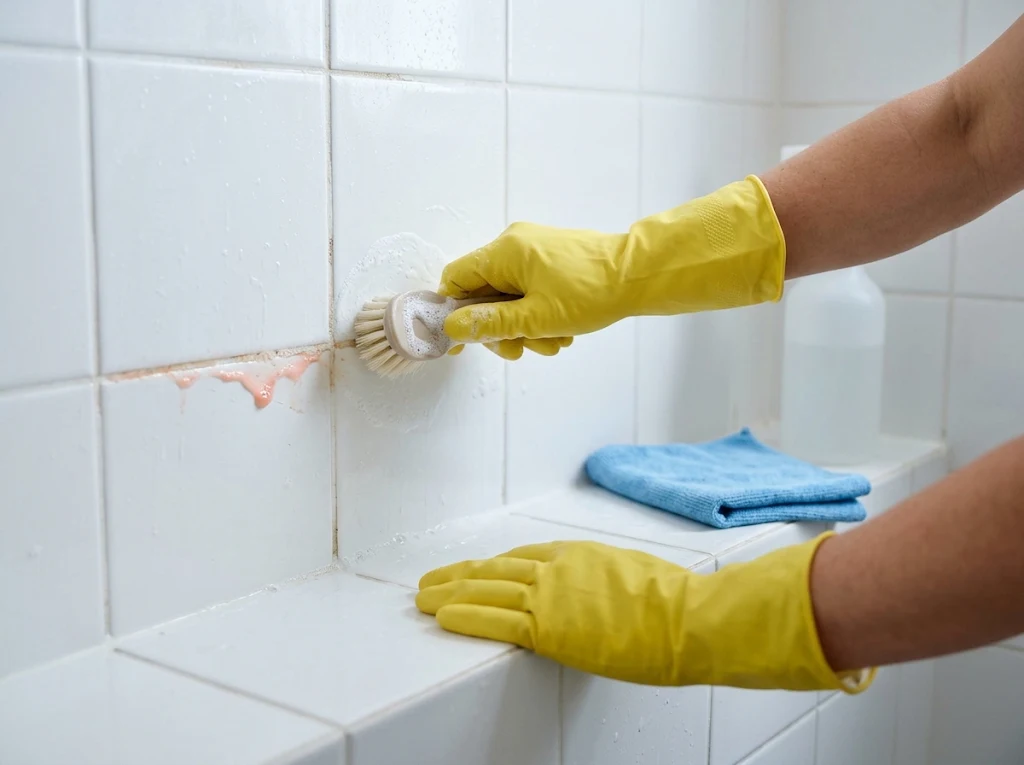
Start with ordinary cleaning. Remove the visible residue and the deposits around it.
You do not always need a strong disinfectant for routine bathroom cleaning. The CDC explains that cleaning with soap or detergent and water removes dirt and many germs from household surfaces.
If you choose to disinfect, use a product that is suitable for the surface and follow its label. Do not assume every bathroom cleaner is effective against every bacterium.
What Cleaning Products Work?
The right product depends on the surface, the type of buildup, and the manufacturer’s instructions.
| Cleaning option | Best use | Important caution |
|---|---|---|
| Mild soap or detergent | Routine cleaning and removing surface residue | May not disinfect |
| Bathroom surface cleaner | Soap scum and general bathroom deposits | Check surface compatibility |
| EPA-registered disinfectant | Disinfection when the label supports the intended use | Follow listed organisms and contact time |
| Bleach-based product | Certain compatible, hard bathroom surfaces | Can damage some materials and finishes |
| Grout cleaner | Deposits on compatible grout | Follow the product directions |
| Curtain or liner cleaner | Washable or compatible shower materials | Check the care label |
A disinfectant’s label matters. Check whether it is approved for the surface and intended use. Follow the stated contact time. The surface may need to remain wet for the full period.
The CDC advises users to follow product instructions, provide ventilation, and never mix cleaning or disinfecting chemicals. Read the CDC’s home cleaning guidance.
Important: Never mix bleach with vinegar, ammonia, hydrogen peroxide, or other cleaning products. Combining chemicals can release dangerous gases or cause harmful reactions.
Do not assume that vinegar or hydrogen peroxide is a guaranteed treatment for Serratia marcescens. Use products according to their labels rather than relying on homemade chemical combinations.
Step-by-Step Pink Residue Removal
Use this process for compatible, hard shower surfaces. Adjust it for delicate materials and always follow the cleaner’s label.
Step 1: Prepare the bathroom
Open a window or turn on the exhaust fan. Put on suitable cleaning gloves. Keep children and pets away from the area while you work.
Remove shampoo bottles, soap dishes, and other loose items. This exposes the surfaces underneath.
Step 2: Remove loose residue
Rinse the affected area with water if the surface allows it.
Use a soft brush or cloth to loosen visible buildup. Avoid abrasive tools that can scratch acrylic, plastic, glass coatings, or polished finishes.
Step 3: Apply a suitable cleaner
Choose a cleaner designed for the surface. Apply it according to the label.
Do not combine it with another cleaner. If you need to change products, rinse the surface thoroughly first and follow the manufacturers’ safety directions.
Step 4: Scrub the affected area
Use a soft brush for grout lines and corners. A non-abrasive sponge or cloth may work better on glass, plastic, and finished surfaces.
Pay attention to the edges around drains, fixtures, and silicone joints. These areas often collect deposits.
Step 5: Rinse thoroughly
Remove the loosened residue and cleaning product with clean water, if the product instructions allow rinsing.
Do not leave chemical residue on surfaces that people touch.
Step 6: Disinfect if appropriate
If you want to disinfect, use a product whose label supports the intended surface and use. Follow the dilution instructions and contact time.
Do not improvise a bleach concentration. Never mix disinfectants or other cleaning chemicals.
Step 7: Dry the bathroom
Use a clean towel or squeegee to remove standing water. Leave the shower curtain open and allow air to circulate.
Drying reduces the moisture that supports recurring buildup.
How to Remove Pink Residue From Different Surfaces
Different materials need different cleaning methods. A product that works on ceramic tile may damage natural stone, acrylic, or a coated fixture.
1. Shower Tiles
Ceramic and porcelain tiles usually tolerate routine cleaning with a suitable bathroom cleaner.
- Apply a compatible cleaner.
- Scrub with a soft sponge or brush.
- Focus on corners and tile edges.
- Rinse away the cleaner.
- Dry the surface with a clean cloth.
Check the manufacturer’s instructions before using stronger products. Natural stone needs special care because some cleaners can damage its finish.
2. Shower Grout
Grout can hold soap residue and moisture. Use a grout-safe cleaner and a soft grout brush.
- Wet the affected grout if the product instructions require it.
- Apply the cleaner as directed.
- Gently scrub along the grout lines.
- Rinse thoroughly.
- Allow the area to dry.
Avoid aggressive scrubbing that removes grout or damages the joints.
If the grout is cracked, loose, or crumbling, cleaning may not be enough. Repair the damaged area and investigate any moisture behind the tile.
3. Silicone Caulk
Silicone can develop stains along its surface and edges. Start with a cleaner approved for the material.
Use a soft cloth or brush. Avoid sharp tools that could cut or loosen the seal.
If the caulk has gaps, peeling, or persistent discoloration, inspect its condition. Damaged silicone may need removal and replacement.
Do not seal over existing residue. The area must be cleaned, dried, and prepared before new caulk is installed.
4. Glass Shower Doors
Glass doors often collect soap scum and mineral deposits.
Use a glass-safe bathroom cleaner. Wipe the affected area with a non-abrasive cloth or sponge. Rinse and dry the glass to reduce water spots.
Avoid abrasive pads and products that can scratch glass or damage protective coatings.
5. Plastic or Vinyl Shower Liners
Check the care label before cleaning a liner.
Some liners can be washed. Others require hand cleaning with a compatible product.
Rinse away cleaner and hang the liner fully open to dry. Replace it if it is damaged or if buildup remains after appropriate cleaning.
6. Fabric Shower Curtains
Follow the washing instructions on the curtain’s label. Some fabric curtains can be machine washed with a suitable detergent.
Do not use a washing method or chemical that the manufacturer does not recommend.
Dry the curtain completely before hanging it again. Damp fabric left folded can develop recurring stains.
7. Shower Heads and Faucets
Clean removable parts according to the manufacturer’s instructions. Use a compatible cleaner and a soft brush to remove accessible deposits.
Avoid acidic products on materials that may be damaged. Do not combine descaling products with bleach or other cleaners.
If the shower head has heavy mineral buildup, follow the manufacturer’s descaling guidance.
8. Shower Drains
Remove visible hair and debris. Clean the drain cover and accessible surfaces with a suitable bathroom cleaner.
Do not pour multiple cleaning products into the drain. If the drain repeatedly smells, clogs, or develops buildup, investigate the plumbing rather than relying only on surface cleaning.
How to Prevent Pink Mold From Returning

Cleaning removes the existing buildup. Prevention focuses on reducing the conditions that allow it to return.
You do not need an elaborate routine. Small habits can help keep shower surfaces cleaner and drier.
1. Dry Shower Surfaces After Use
Use a squeegee to remove water from glass and tiled walls. Wipe standing water around the tub and shower edges.
Pay extra attention to corners and areas where water collects.
2. Improve Bathroom Ventilation
Run the exhaust fan during showers and afterward. If you have a window, open it when outdoor conditions allow.
A bathroom that dries faster is less likely to support persistent dampness.
The EPA recommends controlling indoor moisture and keeping relative humidity below 60%, ideally between 30% and 50%, where practical. This guidance addresses indoor moisture and mold prevention, but it also provides useful context for managing a damp bathroom. Read the EPA’s moisture guidance.
3. Clean Soap Scum Regularly
Do not wait until a thick film develops.
Clean shower walls, fixtures, corners, and drains regularly. Pay attention to areas behind shampoo bottles and soap dishes.
Removing deposits reduces the material available for buildup.
4. Keep Shower Curtains Open
Spread the curtain or liner after every shower. Do not leave it folded against itself.
This allows air to reach more of the surface and helps it dry.
5. Check Grout and Silicone Joints
Look for cracked grout, peeling caulk, and gaps around the bathtub.
Repair damaged areas before water reaches the materials behind them. If you suspect a hidden leak, investigate it rather than repeatedly cleaning the visible stain.
6. Remove Standing Water
Check the shower tray, drain edges, and corners. Remove water that remains after use.
If water repeatedly collects in the same place, check whether the shower drains correctly.
7. Clean Bathroom Accessories
Soap dishes, bottles, shower caddies, and bath mats can collect residue.
Clean these items during your normal bathroom routine. Allow them to dry before putting them back.
8. Check Indoor Humidity
If your bathroom stays damp even when nobody is showering, consider checking indoor humidity.
A humidity meter can help you understand whether the room remains unusually humid. Improve ventilation and investigate leaks or condensation if moisture persists.
How Often Should You Clean Your Shower?
There is no single schedule that suits every household. Cleaning frequency depends on how often the shower is used, how quickly it dries, and how much residue collects.
A practical routine is:
| Frequency | Cleaning task |
|---|---|
| After each shower | Spread the curtain and remove excess water |
| Several times a week | Wipe areas that collect soap and water |
| Weekly | Clean shower walls, fixtures, drain covers, and corners |
| Monthly | Inspect grout, caulk, and less visible areas |
| When needed | Address leaks, damaged seals, or recurring moisture |
If pink residue returns quickly, clean the affected area and review ventilation, standing water, and soap buildup. Increasing cleaning frequency alone may not fix a persistent moisture problem.
When Should You Consider Professional Help?
Most small areas of surface residue can be handled with appropriate household cleaning.
However, repeated staining can sometimes point to a larger issue. Consider professional help when:
- The same area develops residue soon after repeated cleaning.
- Grout is cracked, loose, or crumbling.
- Silicone joints have gaps or have started peeling.
- Water appears behind tiles or around the bathtub.
- Walls, ceilings, or flooring show signs of water damage.
- You notice a persistent leak or damp smell.
- Growth covers a large area or appears on several building materials.
- You cannot identify the source of ongoing moisture.
A qualified plumber can investigate drainage and plumbing leaks. A tile or bathroom professional can assess damaged grout and silicone. A qualified remediation professional can help assess extensive water damage or suspected mold growth.
Do not simply paint or apply new caulk over a damp or damaged surface. The underlying moisture problem needs attention first.
Frequently Asked Questions
Is Pink Mold in the Shower Actually Mold?
Not always. Pink bathroom residue is often associated with Serratia marcescens, a bacterium rather than a fungus. Other organisms and mineral deposits can create similar stains, so appearance alone cannot confirm the cause.
Is Pink Mold in the Shower Toxic?
A pink stain does not automatically mean your bathroom contains a dangerous toxin. The residue is often associated with Serratia marcescens. This bacterium can cause infections in certain circumstances, but ordinary household exposure should not be confused with documented healthcare-associated infections.
Clean the affected area and speak with a healthcare provider if someone in your household has a weakened immune system or a specific health concern.
Can Pink Mold in the Shower Make You Sick?
The presence of pink residue does not mean someone will become sick. Serratia marcescens can cause infections, particularly in vulnerable people and certain healthcare settings. Avoid direct contact with the buildup and use sensible cleaning precautions.
How Do I Prevent Serratia marcescens in My Shower?
Keep shower surfaces clean and dry. Remove soap scum, improve ventilation, spread the shower curtain after use, and repair leaking or damaged joints. Regularly clean drains, corners, and other areas where water collects.
Why Does Serratia marcescens Keep Coming Back?
It can return when moisture and surface deposits remain. Cleaning may remove the visible film without changing the conditions that support new growth. Improve ventilation, remove standing water, and clean areas where soap residue collects.
Does Bleach Kill Serratia marcescens?
Do not assume that every bleach product or dilution is suitable for every surface or use. Follow the product label, including its directions for the intended organism, surface, and contact time. Never mix bleach with vinegar, ammonia, hydrogen peroxide, or other cleaners.
Can Vinegar Remove Pink Shower Residue?
Vinegar may help with certain mineral deposits, but it should not be treated as a guaranteed disinfectant for Serratia marcescens. Check surface compatibility before using it. Never mix vinegar with bleach or other cleaning chemicals.
Can Pink Residue Grow in Shower Grout?
Yes. Grout lines can collect water, soap residue, and other deposits. Clean them with a grout-safe product and a soft brush. If the grout is damaged or water is getting behind the tile, repair the underlying problem.
Does Pink Residue Mean My Water Is Contaminated?
Not necessarily. Municipal water departments, including the City of Ann Arbor, explain that pink bathroom residue can be associated with airborne Serratia marcescens rather than bacteria in the municipal water supply. Contact your water provider if you notice unusual discoloration in drinking water.
Should I Replace a Shower Curtain With Pink Stains?
Not always. Some curtains and liners can be cleaned according to their care instructions. Replace them if they are damaged, heavily stained, or cannot be cleaned properly.
Can a Shower Filter Stop Pink Residue?
A shower filter is not a guaranteed solution. Filter types differ, and some filters remove chlorine from water. The City of Frederick notes that removing chlorine can create more favorable conditions for bacterial growth in certain situations. Focus first on cleaning, ventilation, and moisture control.
Final Thoughts
Pink residue in a shower is often associated with Serratia marcescens, not traditional mold. It commonly develops where moisture and soap deposits remain.
Clean the affected surfaces with products suited to their materials. Follow disinfectant labels and never mix cleaning chemicals.
More importantly, reduce the conditions that support recurring buildup. Improve ventilation, remove standing water, clean soap residue, and repair damaged grout or caulk.
If the stain keeps returning, investigate the moisture source instead of relying on stronger cleaners alone.