How to Dry Flowers: 6 Easy Methods to Preserve Their Beauty
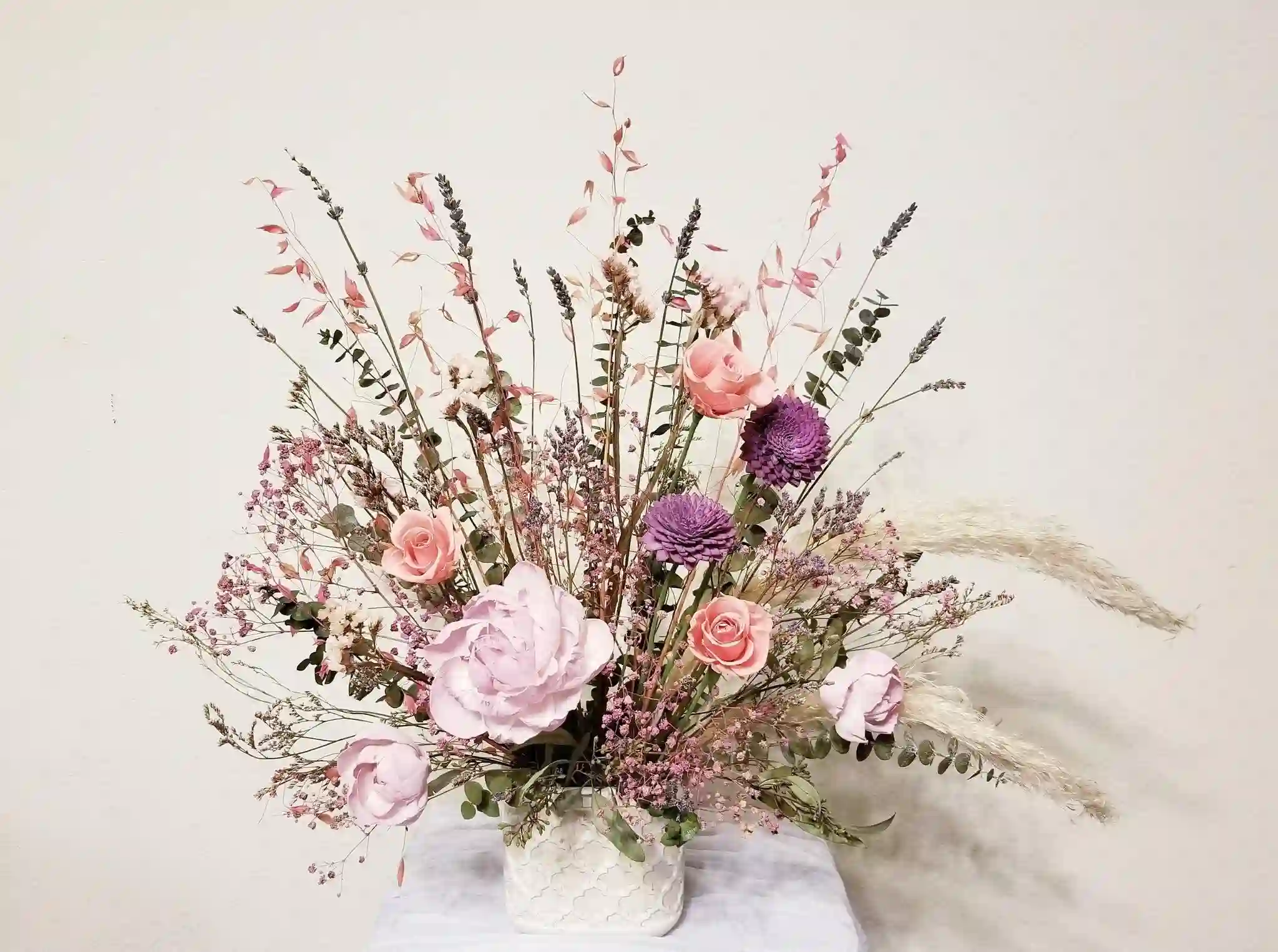
Drying flowers is a simple way to preserve beautiful blooms for home decorations, wedding keepsakes, and DIY crafts. With the right method, you can keep flowers for months or even years.
The best way to dry flowers depends on their shape, thickness, and moisture content. Air drying works well for sturdy flowers such as roses and lavender. Silica gel helps preserve three-dimensional blooms, while pressing is ideal for flat flowers and framed artwork.
You can also use a microwave with a suitable desiccant when you need a faster option. Each method has different drying times and produces different results.
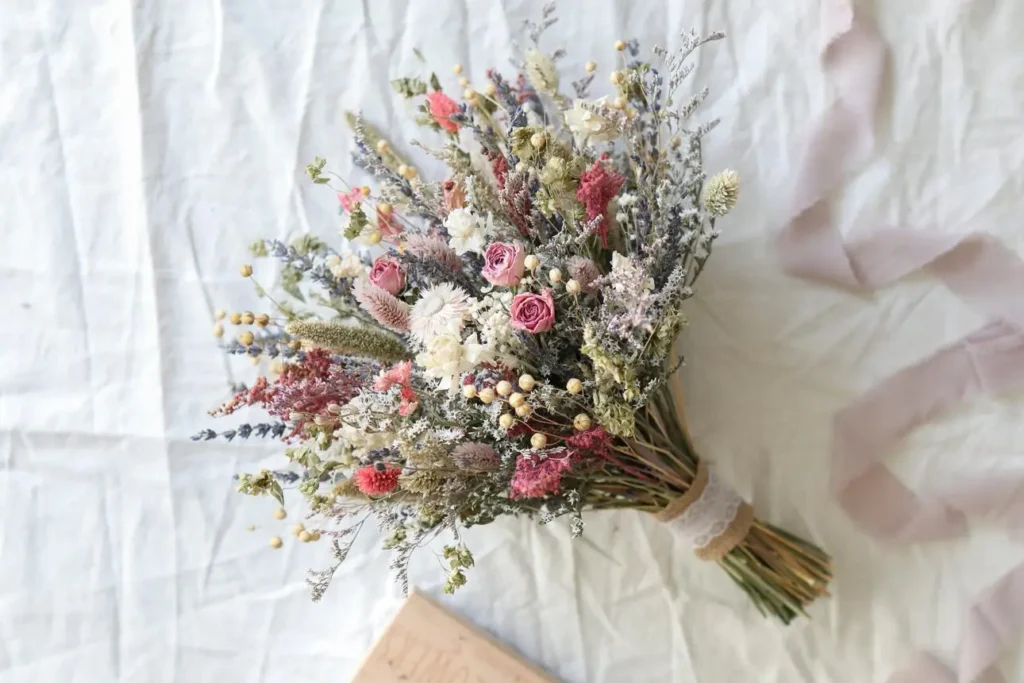
This guide explains six ways to dry flowers at home. You’ll learn how to choose the right method, prepare fresh flowers, prevent mold, preserve color, and store your dried blooms properly.
What Is the Best Way to Dry Flowers?
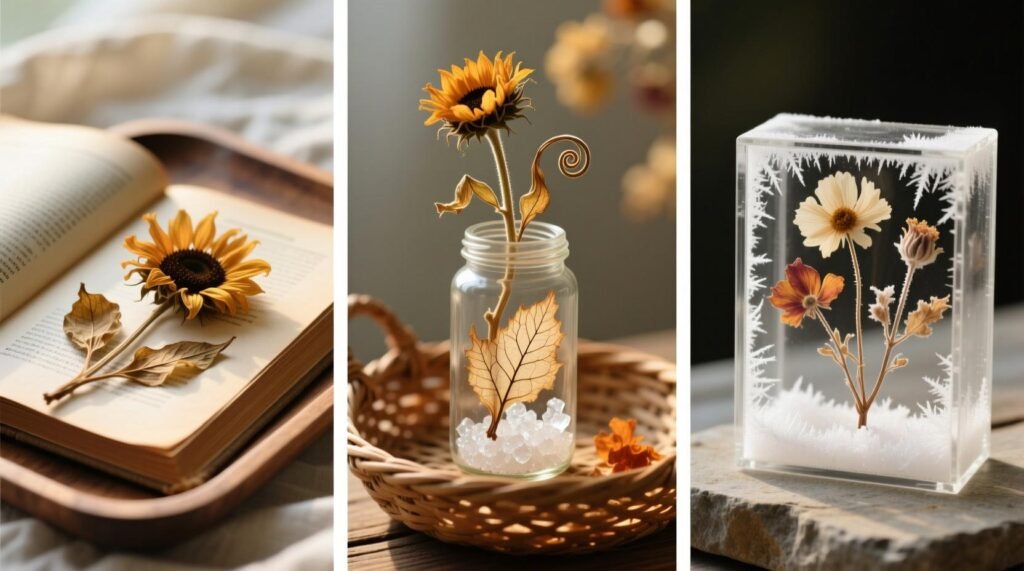
The best method depends on the type of flower and how you want to use it.
- For natural-looking flower heads: Use silica gel to help preserve their three-dimensional shape.
- For sturdy flowers: Hang them upside down in a dark, ventilated area.
- For flat flowers and artwork: Press them between absorbent paper inside a heavy book.
- For a quicker result: Try microwave drying with a suitable desiccant and follow flower-specific instructions.
- For flowers that can stand upright: Consider vase drying.
Here is a quick comparison of the six methods:
| Drying method | Approximate drying time | Best for |
|---|---|---|
| Air drying upside down | 2–5 weeks | Roses, lavender, statice |
| Vase drying | Varies by flower and method | Hydrangeas and suitable foliage |
| Book pressing | 1–4 weeks | Pansies, violets, small daisies |
| Silica gel | 2–7 days | Roses, peonies, delicate blooms |
| Microwave with desiccant | Minutes of heating, plus resting time | Small flowers and quick projects |
| Other desiccants | Several days to weeks | Flowers suitable for granular drying materials |
These are general estimates, not guaranteed drying times. Flower thickness, humidity, airflow, and the drying material all affect the result.
If you want to preserve a wedding bouquet, consider drying individual flower heads with silica gel. For simple home decorations, air drying may be easier.
What Flowers Are Best for Drying?
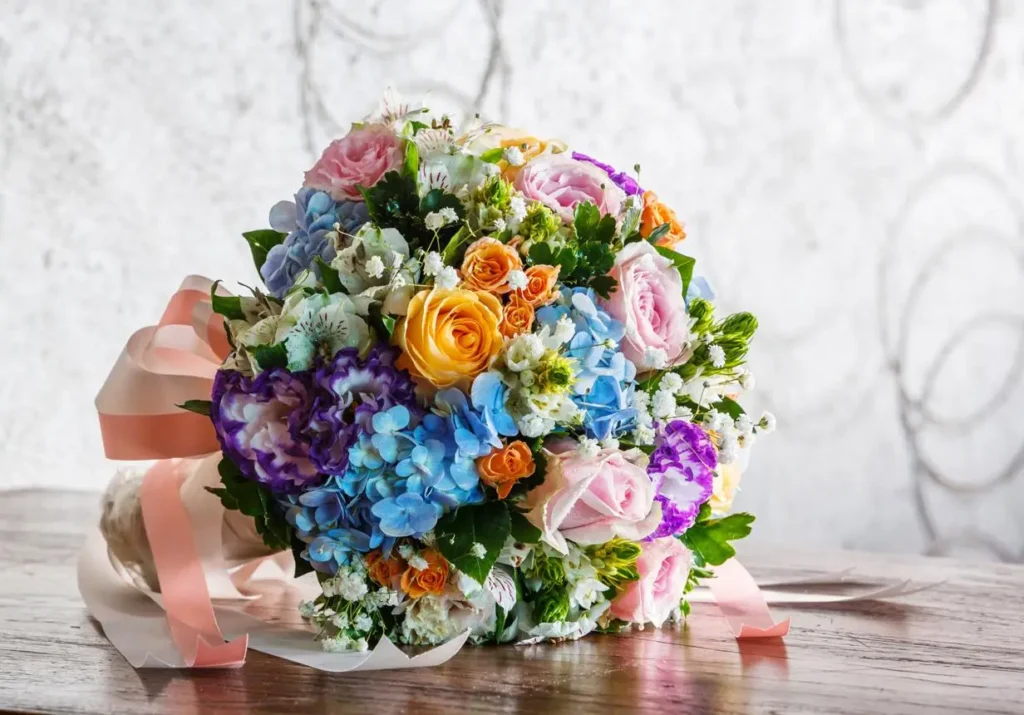
Some flowers dry more successfully than others. Flowers with sturdy stems, firm petals, and lower moisture content are generally easier to preserve.
Choose fresh flowers without signs of mold, bruising, or decay. The condition of the flower before drying affects its final appearance.
Best Flowers for Air Drying
Air drying works well for flowers with sturdy stems and naturally firm petals.
Good choices include:
- Roses
- Lavender
- Statice
- Strawflowers
- Baby’s breath
- Celosia
- Amaranth
- Yarrow
- Eucalyptus
These flowers can handle gradual moisture loss during hanging. Their stems also make them easier to secure in small bundles.
Best Flowers for Pressing
Pressing works best with flat flowers and thinner petals.
Suitable choices include:
- Pansies
- Violets
- Daisies
- Cosmos
- Small zinnias
- Ferns
- Individual flower petals
Thick flowers may need to be separated into smaller parts before pressing. This helps moisture escape and reduces the risk of mold.
Best Flowers for Silica Gel
Silica gel is useful when you want to preserve a flower’s three-dimensional shape.
Consider using it for:
- Roses
- Peonies
- Hydrangeas
- Orchids
- Dahlias
- Chrysanthemums
- Delphiniums
Silica gel absorbs moisture while supporting the petals. It is particularly useful for flowers that could lose their shape during traditional pressing.
Flowers That Can Be Difficult to Dry
Some flowers contain more moisture or have delicate structures that make drying challenging.
Examples include:
- Thick lilies
- Large tulips
- Fleshy flowers
- Very mature blooms
- Flowers with damaged or bruised petals
These flowers may lose their shape, become discolored, or develop mold if moisture remains trapped inside.
You can still experiment with different methods. However, thick flower heads often need more time and careful moisture control.
When Should You Pick Flowers for Drying?
Harvesting flowers at the right time makes a noticeable difference.
Choose healthy flowers before they begin wilting. Overly mature flowers may lose petals during drying, while damaged blooms are unlikely to improve.
Follow these harvesting tips:
- Pick flowers when they are healthy and fresh.
- Avoid flowers with brown edges or damaged petals.
- Harvest after morning dew has evaporated.
- Avoid picking immediately after rain.
- Choose flowers before they become overmature.
- Handle petals carefully to prevent bruising.
Some flowers continue opening after cutting. For these varieties, avoid choosing blooms that are already fully open.
If you’re preserving a bouquet, remove damaged flowers before starting. Separate crowded stems so air can move around them.
How to Prepare Fresh Flowers for Drying
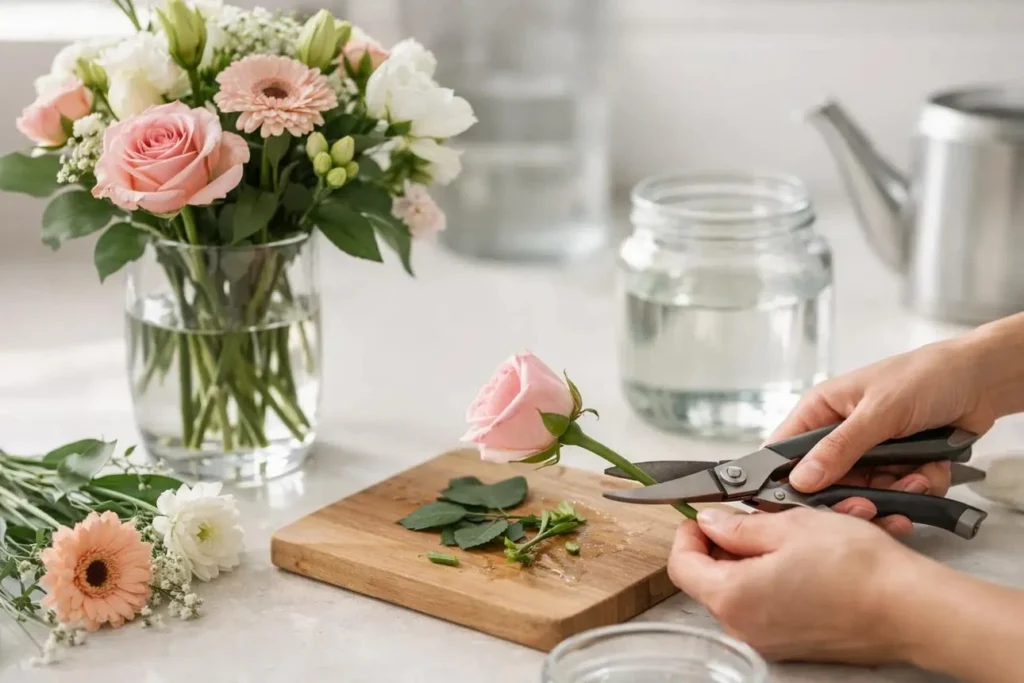
Proper preparation helps flowers dry evenly and reduces the risk of mold.
Before choosing a drying method, prepare your flowers carefully.
1. Remove unwanted leaves
Remove leaves from the lower sections of the stems. Leaves hold moisture and can slow the drying process.
2. Remove damaged petals
Check each flower for bruised, brown, or damaged petals. Remove any that could affect the final appearance.
3. Separate crowded flowers
Avoid drying large, crowded bunches. Air needs to move around the flowers, especially during air drying.
4. Trim the stems
Cut the stems to your preferred length. Keep enough stem for hanging, arranging, or attaching floral wire later.
5. Group similar flowers
Separate flowers according to their size and thickness. Different flowers may require different drying times.
6. Remove surface moisture
If flowers have been in water or exposed to rain, gently remove surface moisture. Do not begin drying with visibly wet petals.
7. Choose the right location
For air drying, choose a dark, dry, and ventilated space. For pressing or silica gel, prepare the required materials before placing flowers inside.
Once your flowers are ready, select the method that best suits your project.
6 Ways to Dry Flowers at Home
You don’t need professional equipment to dry flowers. Several methods work well with common household materials.
Choose a method based on the flower’s structure and the appearance you want to preserve.
1. Air Dry Flowers Upside Down
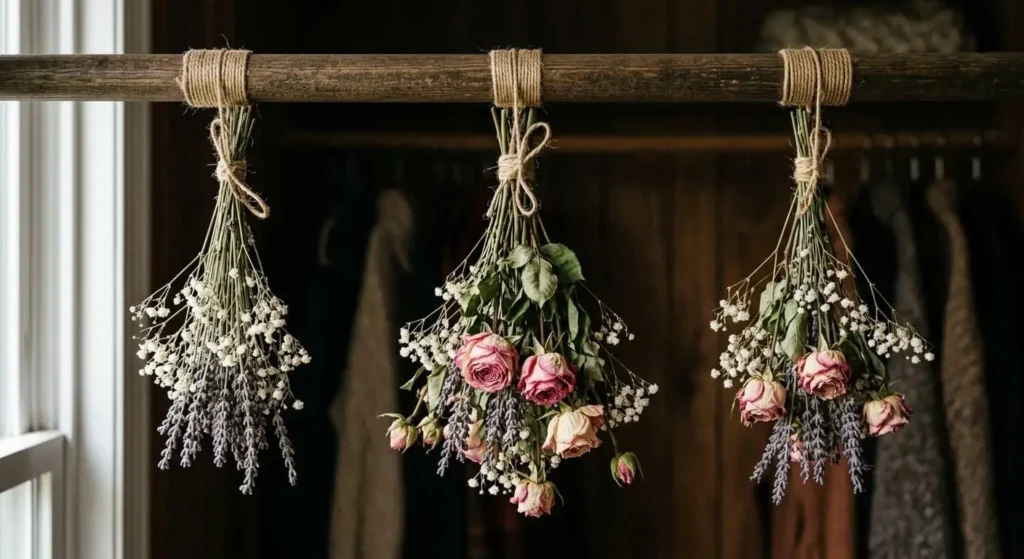
Air drying is one of the easiest ways to preserve sturdy flowers. It requires little equipment and works particularly well for roses, lavender, and statice.
The method involves hanging flowers upside down until their moisture gradually evaporates.
What you need:
- Fresh flowers
- Twine or string
- Rubber bands
- Scissors
- A dark, dry space
Steps to air dry flowers:
- Remove unwanted leaves from the stems.
- Group three to five stems into a small bundle.
- Secure the stems with a rubber band or string.
- Tie another piece of string around the bundle.
- Hang the flowers upside down.
- Keep them in a dark, dry place with good ventilation.
- Check the flowers regularly for mold.
- Remove them when the petals and stems feel dry.
Keep bundles small. Large bunches can trap moisture between flowers and slow the drying process.
Avoid direct sunlight because it can cause flowers to fade. A room with good airflow helps moisture escape.
How long does upside-down drying take?
Most flowers take around two to five weeks. Thick flowers may need additional time.
Roses, lavender, and statice are good candidates for this method.
2. Dry Flowers Upright in a Vase
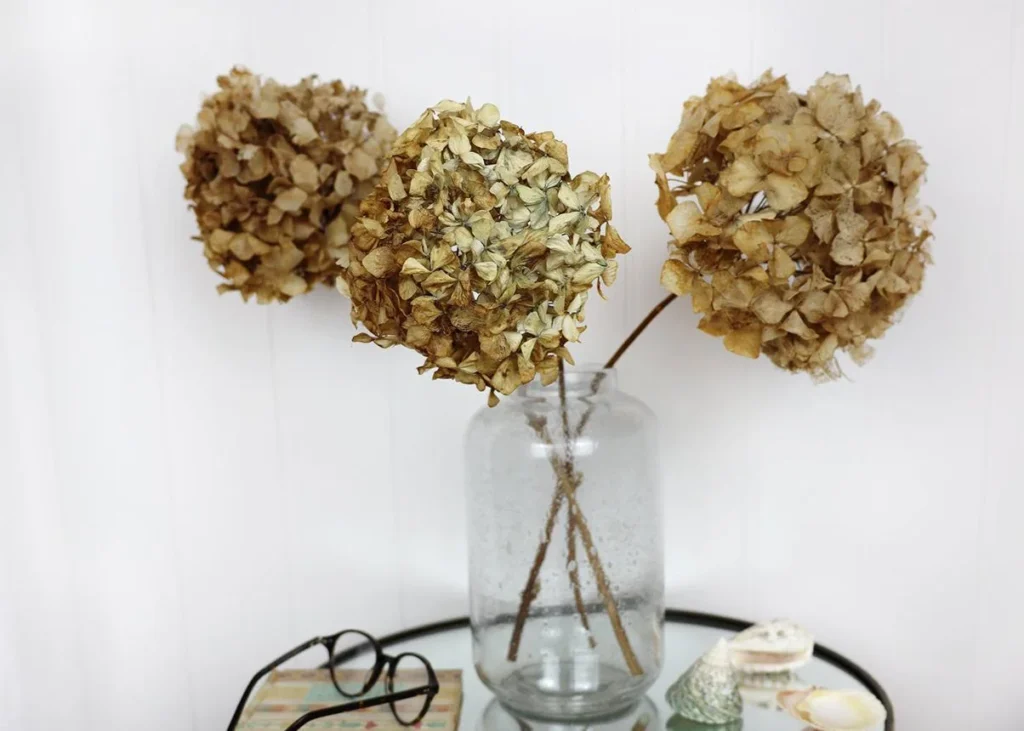
Vase drying is another option for flowers that can retain their shape while standing upright. It allows flowers to dry gradually without hanging them.
Some vase-drying techniques use a small amount of water. The flowers gradually lose moisture as the water evaporates.
What you need:
- Fresh flowers
- A clean vase
- Scissors
Steps to dry flowers in a vase:
- Remove leaves from the lower stems.
- Trim the stems to fit your vase.
- Arrange the flowers loosely.
- Use the appropriate vase-drying approach for your flower type.
- Keep the arrangement in a dry, ventilated area.
- Protect the flowers from direct sunlight.
- Check their condition regularly.
Avoid overcrowding the stems. Flowers need enough space to dry without trapping excess moisture.
Do not leave flowers in water after they begin deteriorating. Remove any flowers that show signs of decay or mold.
Hydrangeas and some foliage can work well with suitable vase-drying techniques.
How long does vase drying take?
There is no universal drying time. The result depends on the flower, its moisture content, and whether you use a water-evaporation technique or allow the flowers to dry in an empty vase.
3. Press Flowers in a Book
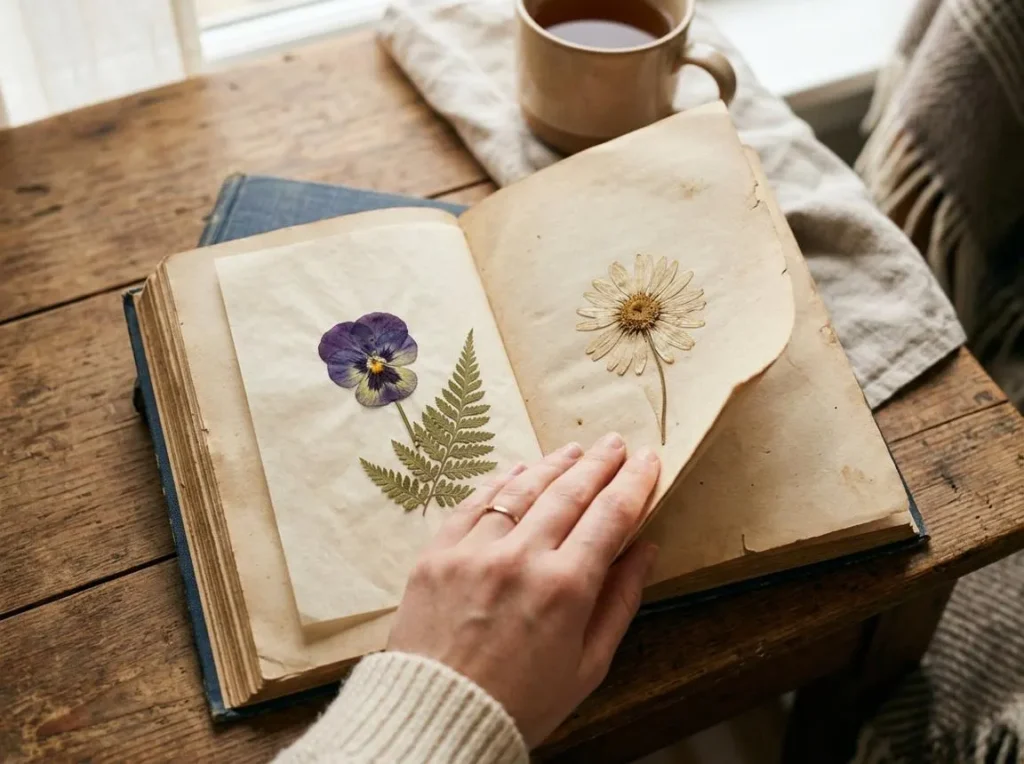
Book pressing is ideal for preserving flat flowers. It works well for artwork, greeting cards, scrapbooks, and framed botanical displays.
The pressure flattens flowers while absorbent paper helps remove moisture.
What you need:
- A heavy book
- Absorbent paper
- Fresh flowers
- Plain paper or suitable parchment paper
Steps to press flowers in a book:
- Choose flowers with thin petals.
- Remove excess surface moisture.
- Open a heavy book to a suitable page.
- Place absorbent paper between the pages.
- Arrange flowers flat without overlapping.
- Cover them with another sheet of absorbent paper.
- Close the book carefully.
- Place additional weight on the book if needed.
- Leave the flowers undisturbed while they dry.
Use absorbent, uncoated paper rather than glossy magazine pages. Glossy pages can slow moisture absorption and may trap moisture around the flowers.
Check the flowers periodically. If the paper becomes damp, replace it with dry absorbent paper.
A dedicated flower press is another option if you plan to press flowers regularly.
How long does book pressing take?
Most flowers take around one to four weeks. Thick flowers may take longer or need to be separated into individual petals.
Pansies, violets, and small daisies are suitable choices.
4. Dry Flowers With Silica Gel
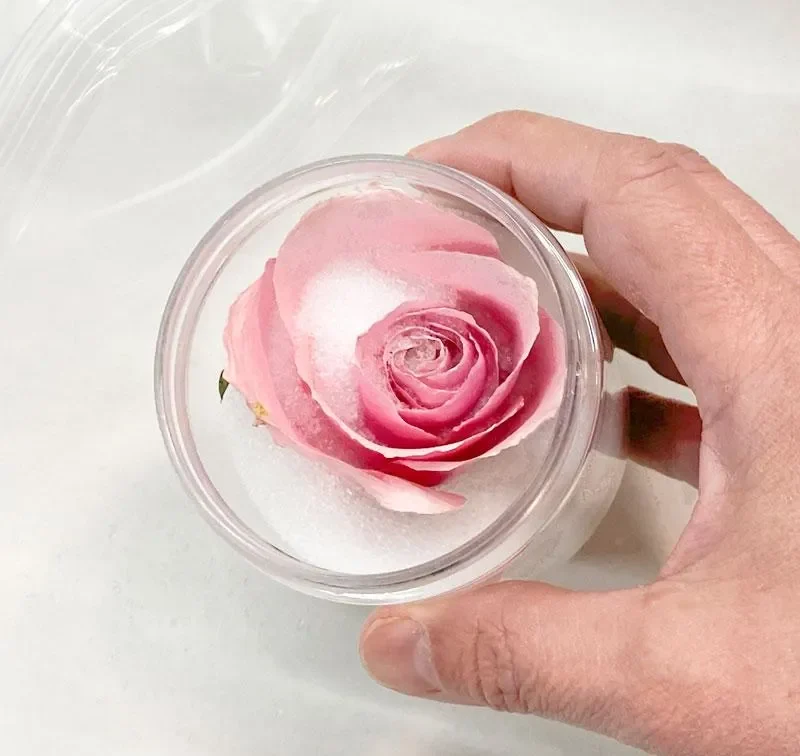
Silica gel is one of the most useful options for preserving flower shape. It absorbs moisture while supporting delicate petals.
Unlike pressing, this method helps flowers retain their natural three-dimensional appearance.
What you need:
- Silica gel crystals
- An airtight container
- Fresh flowers
- A soft brush
- Tweezers
Steps to dry flowers with silica gel:
- Choose a clean, dry container with a tight-fitting lid.
- Add a layer of silica gel to the bottom.
- Place the flower heads on the silica gel.
- Gently add more silica gel around the petals.
- Make sure the flower is supported without crushing it.
- Cover the container with its lid.
- Check the flowers according to the product instructions and expected drying time.
- Remove them carefully when completely dry.
- Use a soft brush to remove remaining crystals.
Pour silica gel slowly around delicate petals. Avoid dropping heavy amounts directly onto the flower because the pressure can damage its shape.
Check the thickest part of each flower before removing it. The outside may feel dry while the centre still contains moisture.
How long does silica gel take to dry flowers?
Many flowers take around two to seven days. Thick blooms may need longer.
Silica gel can often be reused after reactivation according to the manufacturer’s instructions. Follow the product label for heating and handling guidance.
5. Dry Flowers in the Microwave
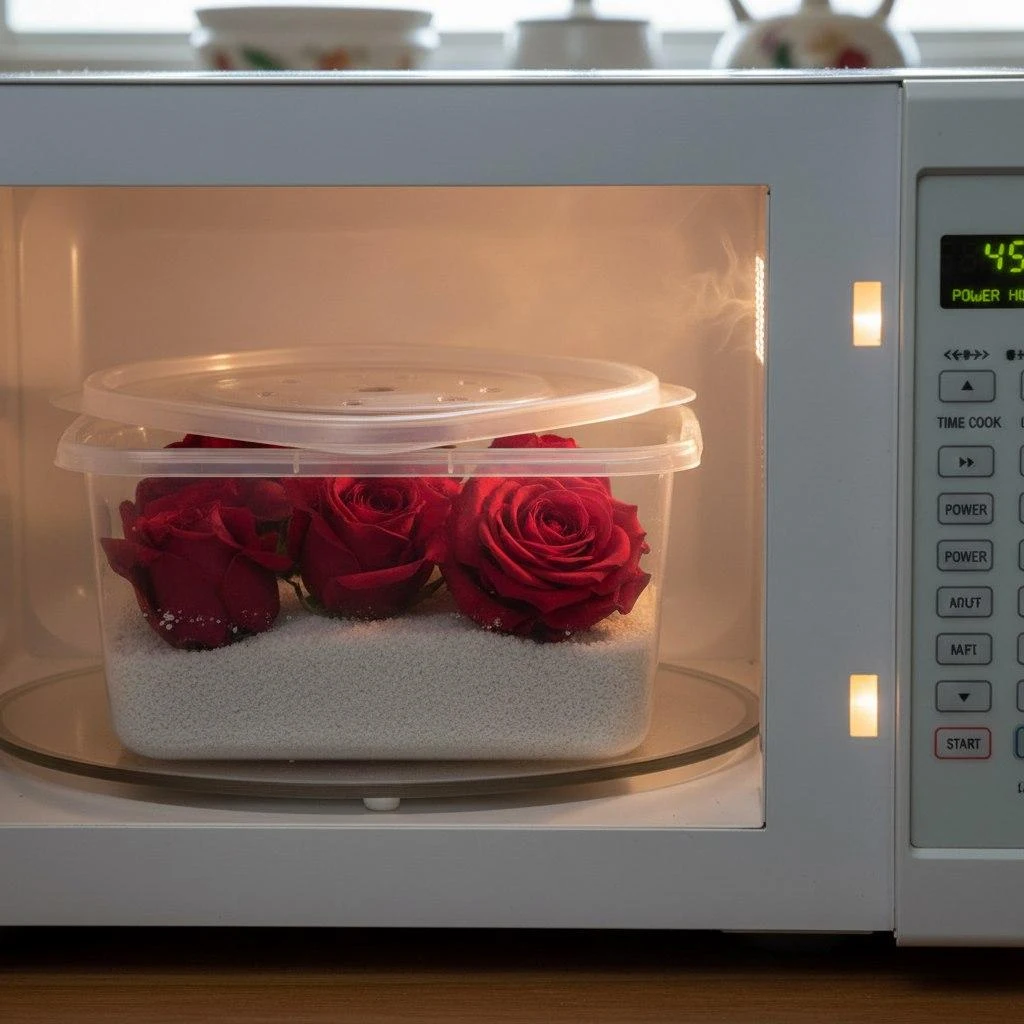
Microwave drying is useful when you need a quicker alternative to traditional drying.
However, it requires careful attention. Different flowers need different heating times, and excessive heat can damage petals.
Using silica gel as a supporting material helps protect the flower’s shape.
What you need:
- Microwave-safe container
- Silica gel
- Fresh flowers
- Small microwave-safe cup of water
- Tweezers
Steps to dry flowers in the microwave:
- Add silica gel to the bottom of a microwave-safe container.
- Place the flower heads on the silica gel.
- Carefully cover the flowers with more silica gel.
- Place a small microwave-safe cup of water inside the microwave if the method’s instructions recommend it.
- Follow reliable, flower-specific microwave instructions.
- Use short heating intervals when the instructions call for them.
- Check the flowers regularly to avoid overheating.
- Allow the container to cool before handling it.
- Leave the flowers in silica gel for the recommended resting period.
- Remove them carefully and check that they are completely dry.
Never use metal containers or utensils in the microwave. Use only microwave-safe materials and follow the silica gel manufacturer’s instructions.
Do not use one heating time for every flower. Small daisies, roses, and large dahlias have different drying requirements.
Microwave heating does not always complete the drying process. A resting period in the desiccant may be necessary to allow remaining moisture to move out of the flower.
6. Dry Flowers Using Other Desiccant Mixtures
Desiccants absorb moisture from flowers. Silica gel is a popular option, but other materials can also be used.
Traditional drying materials include borax, cornmeal, and sand. These materials have different properties and should not be treated as equivalent to silica gel.
What you need:
- A suitable desiccant
- A shallow container
- Fresh flowers
- A tight-fitting lid, when required by the method
Steps to dry flowers with a desiccant:
- Choose a drying material suitable for your flowers.
- Prepare it according to the relevant instructions.
- Add a layer to the bottom of a container.
- Place the flowers carefully on top.
- Cover the flowers with additional material.
- Seal the container if the method requires it.
- Check the flowers periodically.
- Remove them carefully once dry.
Some granular materials can damage delicate petals or leave residue. Handle flowers gently when removing them.
Silica gel is generally the preferred option when preserving flower shape is important. Other desiccants may take longer and produce different results.
How Long Does It Take to Dry Flowers?
Drying time depends on the flower, method, moisture content, and surrounding conditions.
Small flowers usually dry faster than thick blooms. Humid environments can also slow the process.
Here are general drying-time estimates:
| Method | Approximate time |
|---|---|
| Air drying | 2–5 weeks |
| Vase drying | Varies by flower and technique |
| Book pressing | 1–4 weeks |
| Silica gel | 2–7 days |
| Microwave with silica gel | Minutes of heating, plus a resting period |
| Other desiccants | Several days to weeks |
These are estimates, not guaranteed drying times.
A small lavender stem may dry faster than a large rose. A thick hydrangea head may need additional time because moisture can remain trapped inside its flower clusters.
Always check the flower itself before storing it. Do not rely on the outside appearance alone.
How to Tell When Flowers Are Completely Dry
Flowers must be completely dry before you store or use them in crafts.
Even a small amount of trapped moisture can lead to mold.
Look for these signs:
- Petals feel dry to the touch.
- Stems feel firm and dry.
- Flower heads no longer feel soft or damp.
- Thick flower centres do not feel moist.
- The flower has a dry, lightweight texture.
Some flowers become crisp after drying. However, excessive brittleness can make them difficult to handle.
Check the thickest part of each flower first. The centre and base of a flower head can retain moisture longer than the outer petals.
If a flower still feels soft or damp, allow it more time using the appropriate drying method.
Never seal flowers in an airtight container while moisture remains inside.
How to Dry Different Types of Flowers
Different flowers respond to drying methods in different ways. Choose your method according to the flower’s structure and moisture content.
How to Dry Roses
Roses are popular for wedding keepsakes and home decorations. You can dry them by hanging or using silica gel.
For air drying:
- Remove unwanted leaves.
- Separate roses into small groups.
- Secure the stems with a rubber band.
- Hang them upside down.
- Leave them in a dark, ventilated space.
- Check regularly until completely dry.
For silica gel:
Place individual rose heads in silica gel. Cover the petals carefully and seal the container.
Silica gel is useful when you want to preserve the shape of the rose rather than flatten it.
How to Dry Hydrangeas
Hydrangeas have large flower heads and can retain moisture. They need suitable airflow or a suitable drying material.
You can try vase drying, air drying, or silica gel.
For air drying, separate crowded flower heads and hang them in a ventilated area.
For vase drying, follow a suitable water-evaporation technique for hydrangeas. Avoid leaving deteriorating flowers in standing water.
Silica gel is another option when you want to preserve individual flower heads.
How to Dry Lavender
Lavender is one of the easiest flowers to air dry.
Its small flowers and slender stems make it suitable for hanging.
- Cut healthy lavender stems.
- Remove unwanted lower leaves.
- Make small bundles.
- Secure them with string.
- Hang them upside down.
- Keep them in a dry, ventilated area.
Avoid large bundles because they can trap moisture.
How to Dry Baby’s Breath
Baby’s breath has delicate flowers and thin stems.
Air drying is usually a practical choice.
Group a few stems together and hang them upside down. Keep the bundles small to improve airflow.
Handle the flowers gently because their small blooms can break apart.
How to Dry Zinnias and Marigolds
Zinnias and marigolds can be dried using different methods.
Air drying may work for suitable blooms. Silica gel can help preserve the shape of individual flower heads.
Choose healthy flowers and remove damaged petals before drying.
Check the thickest parts carefully because they may retain moisture longer than the outer petals.
How to Dry Orchids and Other Delicate Flowers
Orchids have delicate petals that can become damaged during handling.
Silica gel is worth considering when you want to preserve their shape.
Place each flower carefully in the drying material. Avoid pressing or moving the petals unnecessarily.
Use the same careful approach with other delicate flowers.
Quick Guide to Drying Different Flowers
| Flower | Suitable method |
|---|---|
| Roses | Air drying or silica gel |
| Hydrangeas | Vase drying, air drying, or silica gel |
| Lavender | Air drying |
| Baby’s breath | Air drying |
| Pansies | Book pressing |
| Violets | Book pressing |
| Daisies | Book pressing or silica gel |
| Peonies | Silica gel |
| Orchids | Silica gel |
| Strawflowers | Air drying |
| Statice | Air drying |
| Dahlias | Silica gel |
How to Dry Flowers Without Losing Their Color or Shape
Color and shape are two important parts of flower preservation.
Flowers naturally change as they lose moisture. However, the right method can help reduce fading and deformation.
Follow these tips to improve your results.
Keep flowers away from direct sunlight
Direct sunlight can fade petals. Dry flowers in a dark or low-light location.
Choose healthy flowers
Start with fresh flowers that have no damaged or brown petals.
Use small bundles
Small bundles allow better airflow. They also reduce moisture buildup.
Avoid humid locations
Moisture slows drying and increases the risk of mold.
Choose the right method
Use air drying for suitable sturdy flowers. Choose silica gel when shape preservation matters. Use pressing for flat flowers.
Handle flowers gently
Dry petals can become fragile. Avoid unnecessary movement and pressure.
Check thick flower centres
The outside of a flower may dry before the centre. Check the thickest areas to make sure moisture has been removed.
Store flowers correctly
Keep dried flowers away from direct sunlight, damp areas, and excessive handling.
Remember that some color changes are natural. No drying method can guarantee that every flower will retain its original color.
Common Flower-Drying Problems and How to Fix Them
Sometimes flowers do not dry as expected. They may turn brown, develop mold, lose petals, or become too brittle.
Understanding the cause helps you avoid the same problem next time.
| Problem | Possible cause | What to do |
|---|---|---|
| Flowers turn brown | Flower age, excess moisture, or unsuitable drying conditions | Start with fresh flowers and control moisture |
| Mold appears | Trapped moisture, poor airflow, or overcrowding | Remove affected flowers and improve drying conditions |
| Petals fall off | Overmature blooms or rough handling | Choose healthy flowers and handle them gently |
| Flowers remain soft | Moisture remains inside the flower | Continue drying and check the thickest parts |
| Flowers become too brittle | Fragile petals and excessive moisture loss | Handle carefully and avoid unnecessary movement |
Why Do Dried Flowers Turn Brown?
Flowers may turn brown because of excessive moisture, age, heat, or unsuitable drying conditions.
To reduce browning:
- Choose fresh flowers.
- Avoid damaged or overmature blooms.
- Keep flowers away from direct sunlight.
- Use suitable drying materials.
- Avoid excessive heat.
Some flowers naturally darken during drying. This does not always indicate a problem.
Why Are My Flowers Developing Mold?
Mold usually develops when moisture remains trapped around flowers.
Common causes include:
- Large hanging bundles
- Poor ventilation
- Damp storage areas
- Wet flowers
- Overcrowded containers
Remove affected flowers if mold appears. Improve airflow and check the remaining flowers carefully.
Do not store flowers that still feel damp.
Why Are My Petals Falling Off?
Petals may fall off when flowers are overmature, damaged, or handled too roughly.
Choose healthy blooms before drying. Secure stems gently and avoid unnecessary handling.
Some flowers naturally become fragile after drying.
Why Are My Flowers Still Soft After Drying?
Softness usually means the flower needs more drying time.
Check the thickest parts of the flower first. They often retain moisture longer than thin petals.
Continue drying using the appropriate method.
Why Are My Dried Flowers Too Brittle?
Some flowers become fragile as they lose moisture.
Handle them gently and avoid moving them repeatedly.
Choose a drying method that suits the flower. Avoid unnecessary heat, especially when using a microwave.
How to Dry Flowers Without Hanging Them
You do not need to hang every flower upside down. Several alternatives can preserve flowers without hanging.
Choose the method according to the result you want:
- Use silica gel when you want to preserve a flower’s natural shape.
- Use book pressing when you want flat flowers for artwork.
- Use vase drying for suitable flowers that can stand upright.
- Use a suitable desiccant when you want to remove moisture without hanging the stems.
If you want to keep flowers three-dimensional, silica gel is generally a better choice than pressing.
How to Preserve a Wedding Bouquet
Wedding bouquets often contain different flower types, sizes, and textures. Drying the entire bouquet as one large bundle can make it difficult for moisture to escape.
For better results, separate the bouquet into individual stems or flower heads.
Follow these steps:
- Remove damaged flowers and unwanted leaves.
- Separate the bouquet according to flower type and thickness.
- Choose a suitable drying method for each flower.
- Air dry sturdy flowers in small bundles.
- Use silica gel for flower heads that need shape preservation.
- Press suitable flat flowers separately.
- Check every flower for remaining moisture.
- Store the dried flowers carefully until you arrange them.
Different flowers may need different drying times. Do not assume the entire bouquet is ready because some flowers feel dry.
Once everything is completely dry, arrange the flowers in a shadow box, display case, or decorative frame.
How to Store and Care for Dried Flowers
Proper storage helps dried flowers maintain their appearance.
Moisture, sunlight, dust, and rough handling can damage them over time.
Follow these storage tips:
- Store flowers in a dry location.
- Keep them away from direct sunlight.
- Use a suitable airtight container for completely dry flowers.
- Avoid humid rooms and damp cupboards.
- Keep fragile blooms away from frequent handling.
- Remove dust gently with a soft brush.
- Avoid crushing flowers during storage.
If you are storing a wedding bouquet, protect individual flower heads before arranging them.
For long-term display, consider using a suitable shadow box or display case. Keep the arrangement away from windows and damp areas.
Dried flowers can last for months or years, but their condition depends on the flower, drying quality, storage conditions, and handling.
What Can You Do With Dried Flowers?
Dried flowers are useful for many creative projects.
Once your flowers are completely dry, you can use them in decorations, gifts, and handmade crafts.
Here are some ideas:
1. Dried flower arrangements
Place dried roses, lavender, and statice in a decorative vase.
2. Shadow boxes
Arrange dried flowers inside a shadow box. This works well for wedding bouquets and special occasions.
3. Pressed flower frames
Use pressed flowers to create botanical artwork.
4. Handmade greeting cards
Attach pressed flowers to cards for birthdays, anniversaries, and other celebrations.
5. Dried flower wreaths
Combine dried flowers, foliage, and suitable decorative materials to create wreaths.
6. Potpourri
Use suitable dried petals and aromatic plant materials to make decorative potpourri.
7. Resin crafts
Use completely dried flowers in resin projects. Make sure they contain no remaining moisture.
How to Dry Flowers for Resin
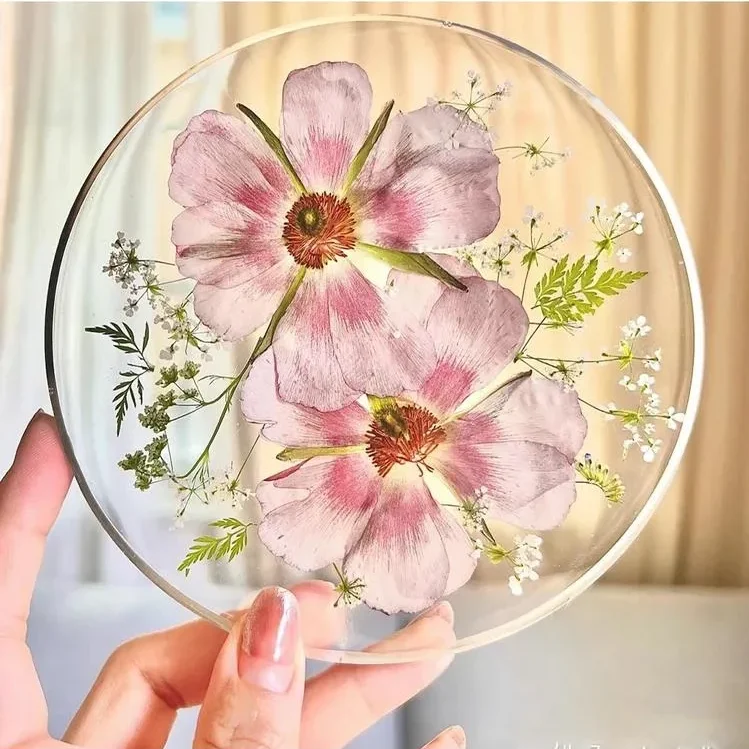
Dried flowers are popular in resin crafts. You can use them in jewelry, coasters, keychains, bookmarks, and decorative pieces.
However, flowers must be completely dry before you place them in resin.
Trapped moisture can affect the final appearance and may cause unwanted changes inside the resin.
Silica gel is a useful option for preparing flowers for resin because it helps preserve their natural shape.
Steps to prepare flowers for resin:
- Choose fresh flowers without damaged petals.
- Remove unwanted leaves.
- Place individual flower heads in silica gel.
- Cover the flowers carefully.
- Seal the container.
- Allow enough time for complete drying.
- Check the thickest parts for remaining moisture.
- Remove the flowers gently.
- Follow your resin manufacturer’s instructions before encapsulation.
Do not place fresh or partially dried flowers directly into resin.
Remember that resin is an encapsulation method, not a flower-drying method. Always dry flowers completely before using them in resin crafts.
Frequently Asked Questions
What is the easiest way to dry flowers?
Air drying is usually the easiest method. Remove unwanted leaves, tie flowers into small bundles, and hang them upside down in a dark, ventilated location.
How do you dry flowers quickly?
Silica gel and microwave drying can reduce drying time. Silica gel often takes several days, while microwave drying requires short heating periods followed by additional resting time.
Can you dry flowers in the microwave?
Yes. You can use a microwave with a suitable desiccant, such as silica gel. Use a microwave-safe container and follow flower-specific instructions. Allow the flowers to cool and rest in the desiccant as directed.
Can you dry flowers in an air fryer?
Yes. University of Florida IFAS Extension discusses air-fryer drying as an option. Use the lowest suitable setting, check flowers frequently, and follow reliable instructions for your equipment. Results vary by appliance and flower type.
How do you dry flowers without silica gel?
You can air dry flowers, press them in a book, or use suitable alternative desiccants. The best option depends on the flower and the result you want.
Can you dry flowers in a book?
Yes. Place flowers between absorbent paper inside a heavy book. Keep them flat and check periodically until completely dry. Replace damp paper when necessary.
Do flowers need to hang upside down to dry?
No. Hanging upside down is one option, not a requirement. You can also dry flowers upright, press them, or use silica gel.
How long should you hang flowers upside down?
Most flowers take around two to five weeks. Drying time depends on flower thickness, humidity, and airflow.
Can you dry flowers overnight?
Some flowers can be heated briefly using microwave techniques. However, they may need additional resting time in silica gel. Traditional air drying takes much longer.
How do you dry flowers without them turning brown?
Start with fresh flowers, avoid direct sunlight, and choose a suitable drying method. Proper airflow and moisture control also help reduce browning. Some natural color changes may still occur.
Can you dry flowers that have already wilted?
You can try, but the results may be less attractive. Flowers that have already wilted may have damaged petals and weakened stems.
For the best results, dry flowers while they are still fresh and healthy.
How do you stop dried flowers from getting moldy?
Make sure flowers are completely dry before storage. Use small bundles, provide good airflow, and avoid humid locations. Never seal damp flowers in an airtight container.
Can you use hairspray on dried flowers?
Some flower-preservation guidance recommends hairspray or floral sprays for certain dried flowers. However, it is not necessary for every flower and does not replace proper drying.
How long do dried flowers last?
Dried flowers can last for months or years with proper care. Keep them away from direct sunlight, moisture, and excessive handling. Their lifespan depends on the flower and storage conditions.
Can you dry flowers in the oven?
Some people use ovens for flower drying, but results depend on the flower, temperature, and equipment. Use reliable flower-specific instructions rather than assuming one temperature works for every bloom.
Do not confuse drying flowers with reactivating silica gel in an oven. These are different processes.
Is rice or salt good for drying flowers?
Rice and salt are sometimes suggested as home drying materials. However, they should not be treated as equivalent to silica gel. For better shape preservation, use a suitable flower-drying desiccant.
How do you dry flowers without flattening them?
Use silica gel to help preserve the flower’s three-dimensional shape. Book pressing is designed to flatten flowers, so it is better suited to artwork and framed displays.
How do you dry flower petals?
Separate healthy petals from the flower and remove surface moisture. You can press them between absorbent paper or use a suitable desiccant. Choose pressing when you want flat petals and desiccant drying when you want to preserve more of their natural shape.
Final Thoughts
Drying flowers at home is a simple way to preserve meaningful blooms and create lasting decorations.
The best method depends on the flower and your intended result. Use air drying for sturdy flowers, book pressing for flat blooms, and silica gel for delicate flowers that need shape preservation.
Prepare fresh flowers carefully, control moisture, and give them enough time to dry completely.
With the right method and proper storage, you can enjoy your dried flowers for months or even years.